Last updated November 18, 2026
Free written scope consultation - allowances, timeline, and change-order rules on paper before a single trade is scheduled
Construction Cost Breakdown: The Garland Homeowner’s Reference for 2026
A quote that’s 30% below the other bids you received isn’t a deal. In Garland’s current contractor market, it’s almost always a signal that something is missing from the scope, the materials, or the license. We’ve sat at enough kitchen tables across this city to know the pattern: the lowest number wins the job, then the change orders start, and by the time the dust settles the homeowner paid more than the honest bid they turned down. This guide gives you the real 2026 numbers for Garland remodeling work, explains what drives them up and down, and shows you how to read a quote closely enough that nothing hides in it.
Quick Answer
Most Garland remodeling projects in 2026 land in these ranges: a mid-tier kitchen remodel runs $28,000 – $62,000, a hall bath runs $14,000 – $28,000, a primary bath runs $26,000 – $48,000, a room addition runs $180 – $280 per square foot, and exterior work like siding or a paver patio runs $12 – $38 per square foot depending on material. DFW labor runs roughly 5 – 10% above the national average, and Garland permit fees add a few hundred to a few thousand dollars on top, depending on scope.
Styles & brands we work with
- Kitchen remodeling
- Bathroom remodeling
- Home additions & ADU
- Roofing
- Windows & doors
- Driveway & pavers
- Fence
Table of Contents
- What Drives Construction Costs in Garland Right Now
- Kitchen Remodel Costs by Tier
- Bathroom Remodel Costs by Tier
- Room Additions and How Square-Foot Pricing Works
- Exterior Work: Siding, Patios, and Concrete
- How to Read a Contractor’s Line-Item Quote
- Permits, Inspections, and HOA Fees in Garland
- How a Locked Price Protects You From Material Swings
What Drives Construction Costs in Garland Right Now
Three forces are shaping what Garland homeowners pay in 2026, and most online price guides ignore all of them. First, material costs have largely stabilized after the pandemic swings. Lumber is no longer the wild card it was in 2021 and 2022, but it hasn’t dropped back to pre-2020 levels either. Cabinet and countertop pricing has leveled off. What that means for you: quotes that still say “prices subject to material adjustment” are quoting a market that no longer justifies the hedge.
Second, labor is the tightest part of the equation. The DFW metro has added jobs faster than the trades can train new workers. Demand from Frisco, Prosper, and the northern suburbs pulls skilled trades north, and Garland competes with that pull. In practice, a Garland general contractor pays roughly 5 – 10% more for skilled labor than the national average, and some of that shows up in your bid.
Third, Garland’s own permit structure has real numbers attached. A residential remodel permit in Garland typically runs a base fee plus a valuation-based component, so a small bathroom refresh might come in near $200 – $400 while a full room addition can climb past $1,500 once plan review and inspection fees are added. Knowing these numbers keeps you from being surprised, and from accepting a bid that pretends permits are free.
Weather matters too. Garland gets hail, it gets summer heat that bakes exterior coatings, and it gets clay soil that shifts. That’s why we budget for proper cement board substrate (the moisture-resistant layer behind your tile) in every bath, and for expansion joints in every slab. Skipping those costs a little now and a lot later.
Kitchen Remodel Costs by Tier
Kitchens are where Garland’s pricing range is widest, because there’s a big difference between a cosmetic refresh and a layout change with new mechanicals. Here’s what the three tiers actually look like in 2026.
- Cosmetic refresh ($18,000 – $30,000): New cabinet doors and drawer fronts on existing boxes, laminate or entry-level quartz countertops, laminate or LVP flooring, new paint, new faucet. No layout change, no plumbing relocation.
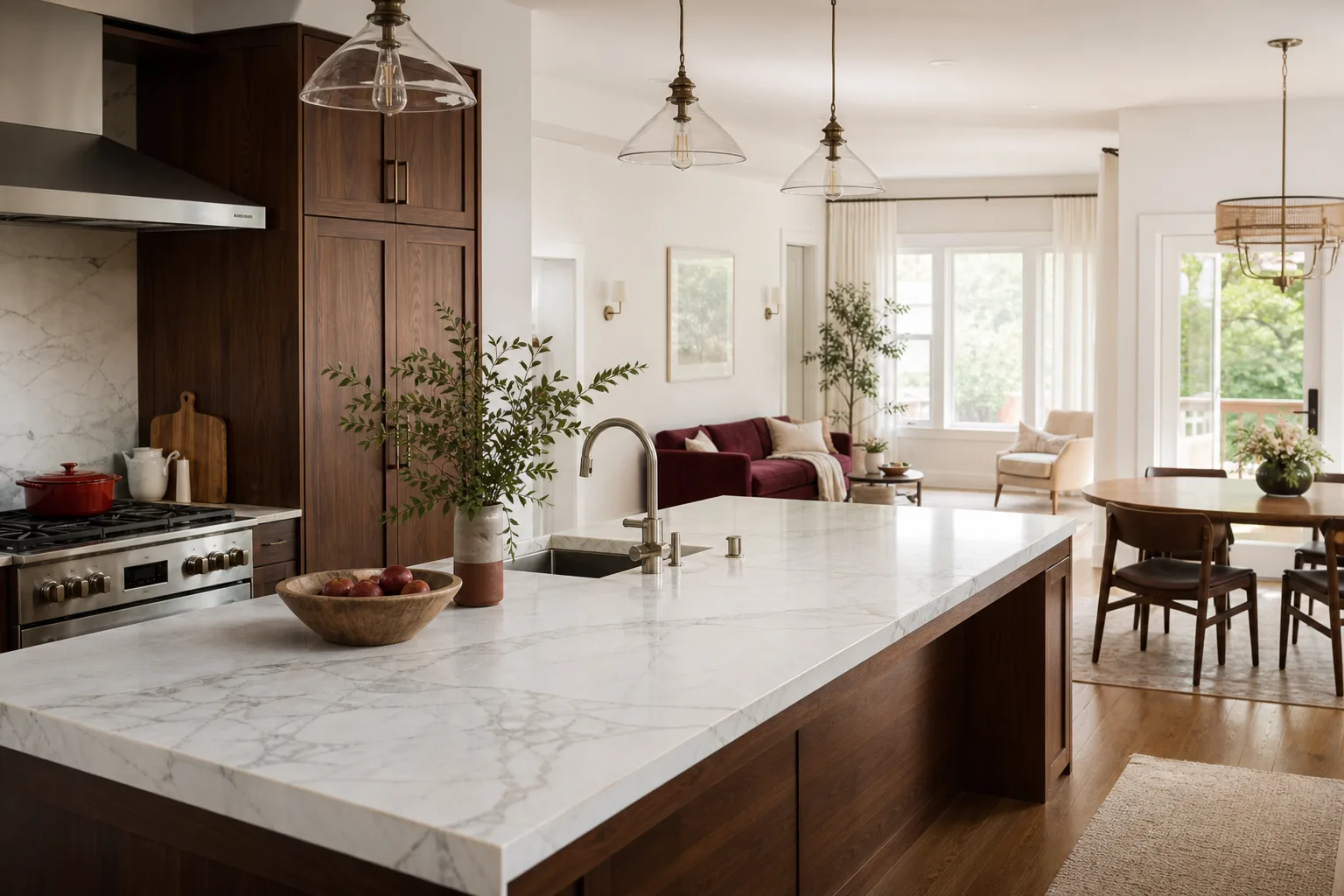
- Mid-tier remodel ($28,000 – $62,000): Full cabinet replacement with a line like KraftMaid or Wellborn, Cambria or Silestone quartz, new flooring, tile backsplash, new sink and faucet (Moen or Kohler), a new range hood, and thoughtful lighting updates.
- High-end remodel ($65,000 – $115,000+): Moving walls, relocating plumbing, upgraded appliance packages, custom cabinetry, natural stone or premium quartz, built-in storage, and often a bump-out or soffit change that touches framing.
The single biggest lever is cabinet line. Going from entry-level to a mid-grade semi-custom adds $8,000 – $18,000 on a typical Garland kitchen. Countertop material is second. And layout changes are a cliff, not a slope: moving a sink or range even three feet can trigger plumbing and electrical work that adds $4,000 – $9,000 depending on what’s behind the wall. In older Garland neighborhoods like Forest Hills and Oakridge, we regularly find galvanized plumbing or undersized electrical that turns a “simple” relocation into a bigger job. That’s worth knowing before you fall in love with a Pinterest layout.
Bathroom Remodel Costs by Tier
Bathrooms punch above their square footage because every trade gets involved in a small room. Our bathroom remodeling work in Garland breaks into three tiers.
- Hall bath refresh ($9,000 – $16,000): New vanity, faucet, toilet, tile floor, paint, and regrouting or a tub surround refresh.
- Full hall bath remodel ($14,000 – $28,000): Full gut to studs, new cement board substrate, new tub or shower pan, tile walls and floor, new fixtures, code-required exhaust fan, and waterproofing done properly.
- Primary bath remodel ($26,000 – $48,000): Larger footprint, dual vanity, freestanding tub, walk-in shower with a linear drain, higher-grade tile, and often a moved toilet or vanity wall.
Waterproofing is where cheap bids hide. A properly built shower needs a waterproof membrane behind the tile, a sloped pan, and a cured substrate before any tile goes down. Skipping any of those three is invisible on the invoice and obvious six months later when grout cracks and tile pops. We’ve opened shower walls in Garland homes where the original install had drywall behind the tile, and the repair cost more than doing it right the first time.
If you’re weighing a refresh against a full remodel, the honest test is the substrate. If the shower has failed once, the wall behind it is already compromised, and a cosmetic fix will fail again.
Room Additions and How Square-Foot Pricing Works
Garland room additions in 2026 run roughly $180 – $280 per square foot, with the low end for simple open spaces and the high end for additions that include a bathroom, a kitchenette, or extensive site work. A 400-square-foot primary suite addition, for example, typically lands between $90,000 and $135,000 all in.
The per-square-foot figure is useful for a ballpark and misleading for a decision. Here’s why.
- Site and foundation work is fixed cost. Foundation, grading, and utility tie-ins don’t shrink with the square footage, so small additions cost more per foot than larger ones.
- Exterior finishes count double. A new addition needs siding, roofing, windows, and trim, all of which add up fast on top of interior finishes.
- Mechanical extensions drive the number. HVAC line runs, electrical panel capacity, and plumbing extensions can add $8,000 – $22,000 depending on how far the addition sits from the main equipment.
Garland’s clay soil is a real factor here. Foundation design for an addition needs to match the existing structure’s movement, or you get a step at the doorway within a few years. We’ve seen additions along Jupiter Road and in the neighborhoods near the Spring Creek corridor where a proper pier-and-beam or post-tension design was skipped, and the crack patterns told the story. During our free estimate, we walk the site and note what your specific lot and existing home will demand.
Exterior Work: Siding, Patios, and Concrete
Garland exteriors take a beating. Hail season is real, summer UV is real, and the difference between a ten-year exterior and a thirty-year exterior comes down to the material line.
- Fiber cement siding (James Hardie or similar): $14 – $22 per square foot installed. It handles hail and moisture far better than wood or vinyl.
- Paver patios (Cambridge Pavers, Belgard, or similar): $18 – $32 per square foot installed, including a properly compacted base.
- Concrete driveways or pads: $9 – $16 per square foot installed, with $2 – $4 per square foot extra for reinforcement and expansion joints.
- Retaining walls: $35 – $65 per linear foot depending on height and material.
The base is where paver work lives or dies. A paver patio installed on insufficiently compacted base with improper drainage will shift after two North Texas wet seasons. Base material from Quikrete or Sakrete is fine, but the compaction and the slope matter more than the bag. Ask any bidder how they handle drainage away from the foundation. If they can’t answer in one sentence, that’s your answer.
How to Read a Contractor’s Line-Item Quote
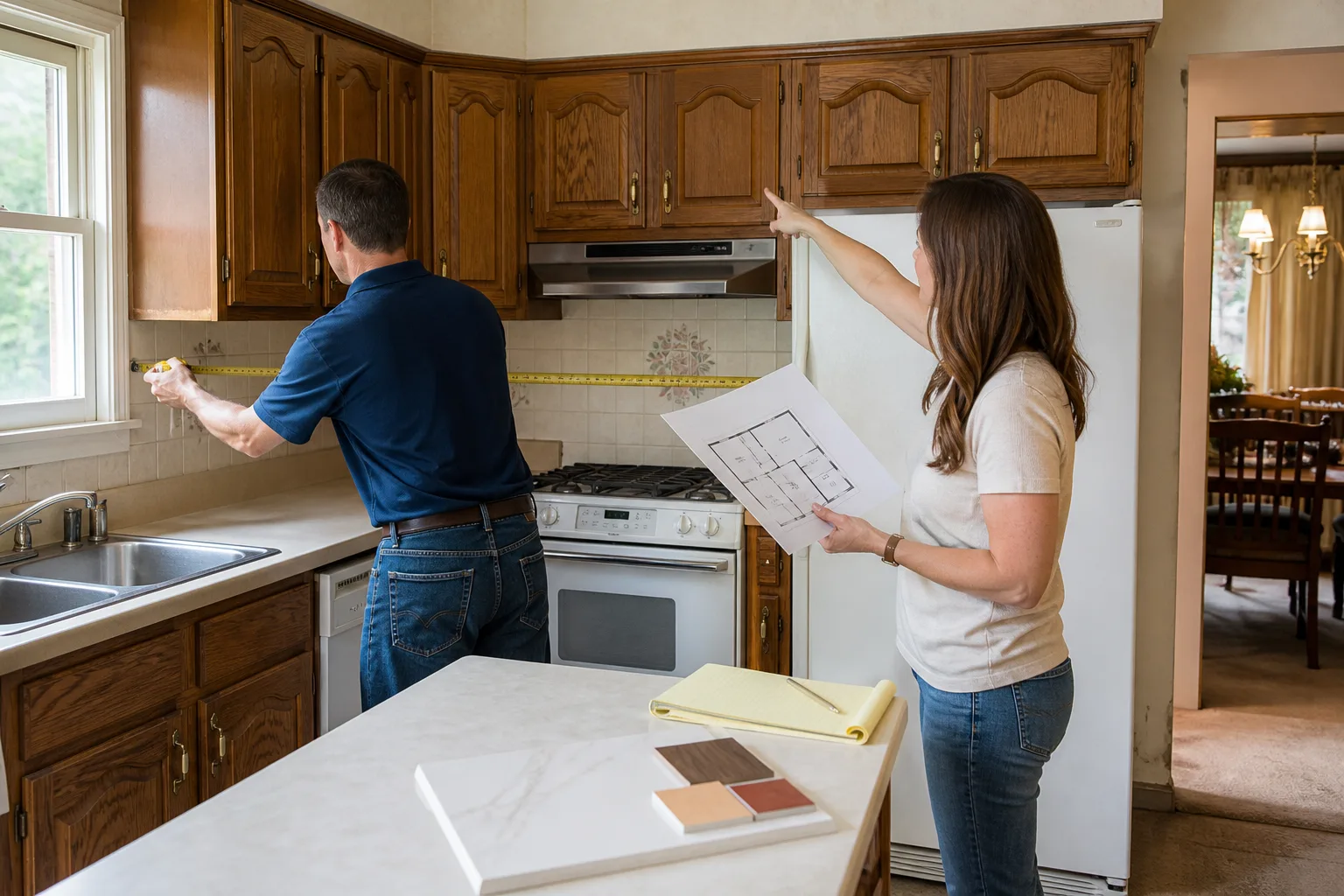
Most Garland homeowners receive two kinds of quotes: a ballpark number scribbled on an estimate pad, or a detailed line-item document. Only one of them protects you. Here’s how to read the detailed kind.
- Check the demo and disposal line. It should be its own line, with a stated amount. When demo and haul-away sit lumped inside “general labor,” the bidder has hidden $1,500 – $3,500 of work and can add it back later.
- Look at every allowance. An allowance is a placeholder dollar figure for material not yet chosen. A $3,000 tile allowance sounds fine until you shop and realize the tile you actually want costs $6,500. Ask what the allowance covers and what happens if you exceed it.
- Count the permits. A professional quote names the permit fee and lists it on a separate line. If permits are “included” without a number, dig in.
- Verify the fixed-price language. Look for words like “fixed price,” “locked,” or “no additional charges for work listed above.” If the quote says “estimate” without a fixed-price clause, it isn’t fixed.
- Check the change-order process. A written change order, signed by both sides before work proceeds, is the mark of a contractor who doesn’t surprise you later.
One surprising pattern: padded quotes often hide in the cleanest-looking sections. Electrical and plumbing line items that say “as needed” or “TBD” are placeholders for the real number, which shows up after demo. Demand a number for anything that has a realistic chance of being done. If the contractor honestly doesn’t know until demo, they should say so and agree in writing on how the extra will be priced.
Permits, Inspections, and HOA Fees in Garland
Garland-specific permit and inspection costs are usually a rounding error on a large project and a real surprise on a small one. Here’s what to budget.
- Residential remodel permit: typically $200 – $450 for a bathroom or kitchen scope, based on valuation.
- Room addition permit: $1,000 – $2,200 including plan review and inspection fees on a typical addition.
- Electrical, plumbing, and mechanical sub-permits: $75 – $200 each, depending on scope.
- HOA architectural review: $150 – $500 in many Garland subdivisions, plus the time cost of the review itself.
- Survey or engineering letters: $400 – $1,200 when the scope requires documentation.
If a contractor says “we don’t pull permits for this kind of job,” that’s not a courtesy. Unpermitted work can void insurance coverage, complicate a future sale, and get torn out if the city catches it. A contractor who won’t show you a permit has told you what they think of accountability. The right answer is always the permit, and it should be listed on the quote with a number beside it.
How a Locked Price Protects You From Material Swings
A fixed price with a locked material allowance is what separates a real bid from a sales pitch. When a contractor locks the price, the contractor carries the risk of material cost changes between signing and install. When a contractor prices on an “estimate,” the homeowner carries that risk.
What good contract language looks like:
- A total dollar figure followed by “this is a fixed price for the scope described.”
- A list of every allowance with a specific dollar figure and a stated process if you go over.
- A clause naming what events would trigger a change order (concealed damage, code corrections, homeowner-requested changes) and nothing else.
- A description of the work written in enough detail that “install tile” reads as “install 12×24 porcelain tile on bathroom floor and shower walls.”
What weak language looks like: “materials subject to market fluctuations,” “price valid for 14 days,” “allowances to be adjusted at time of selection,” or any quote without a signature block. If you can’t hand the document to a friend and have them understand what you’re buying and what you’re paying, the contract isn’t ready to sign. Our written pricing goes out before work starts, so the number on day one matches the number on the invoice. It’s the same principle behind every garland general contractor project we run, and it holds on the smallest bathroom refresh and the largest addition.
One more piece worth understanding: our 365-Day Done Right Promise. If work fails inside that window, we come back and fix it at no charge, and that’s in writing. Materials sourced from recognized trade brands matter here too. Cambria quartz, for instance, carries its own manufacturer warranty on top of ours, so you’re covered on two layers.
Common Mistakes to Avoid
- Choosing the lowest bid without reading it. A quote that comes in 30% under the pack usually leaves out permits, demo, or proper waterproofing. That gap reappears as a change order.
- Paying a large deposit up front. A typical schedule is a modest deposit tied to material ordering, then progress payments tied to milestones. Any contractor who wants half the job in cash before showing up is asking you to finance their business.
- Skipping the written allowance list. In a Garland kitchen you’ll spend real time shopping cabinets and countertops. If the allowances aren’t on paper, your final invoice will be a surprise.
- Accepting “we don’t need a permit for that.” Garland permitting is straightforward, and skipping it can cost you coverage, a sale, or the work itself. Insist on the permit.
- Overlooking the HOA review. Many Garland subdivisions have architectural review requirements with real turnaround time. Budget for it and start the process early.
- Letting the scope grow mid-project. An addition during a kitchen remodel is common and usually justified, but it should be priced in a signed change order, not agreed over the phone.
- Not asking about the warranty in writing. “We stand behind our work” is a phrase. A written guarantee with a specific window and specific remedies is a commitment.
See the difference
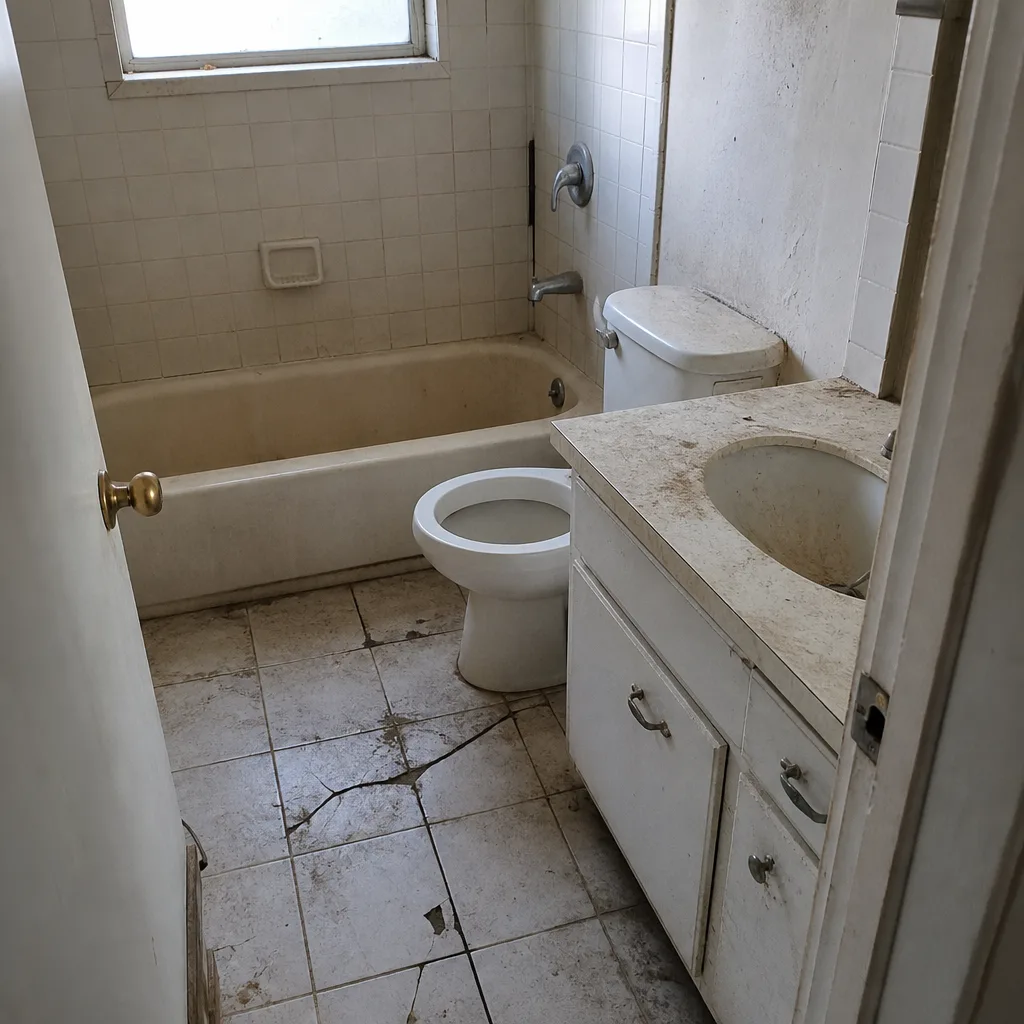 Before
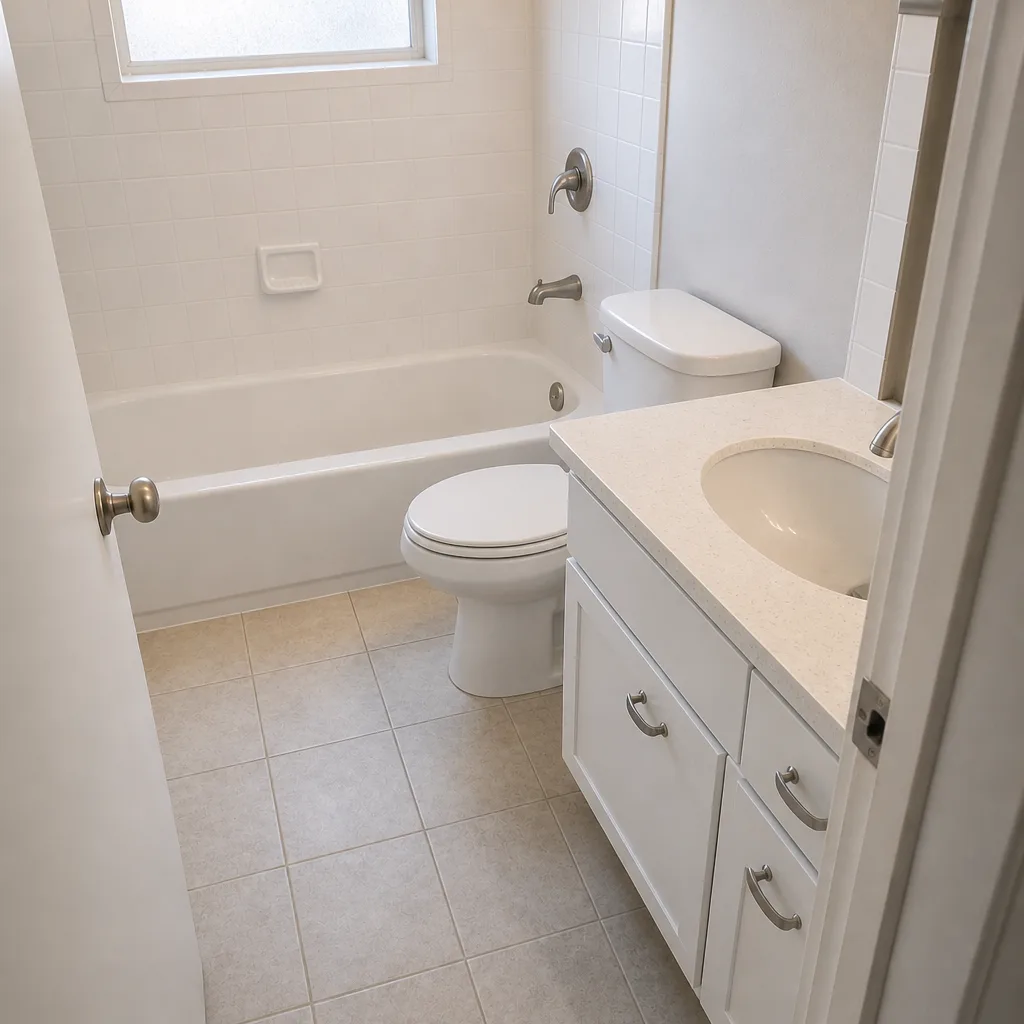 After
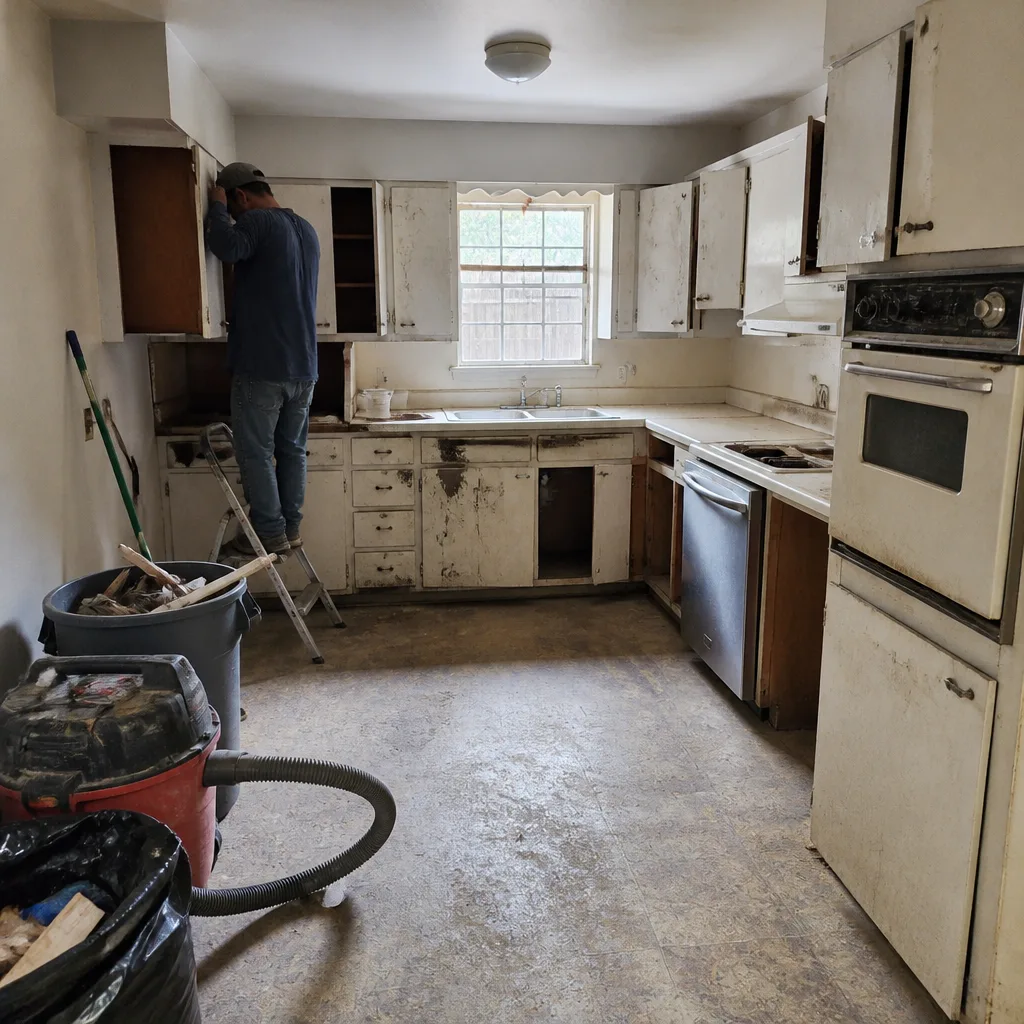 Before
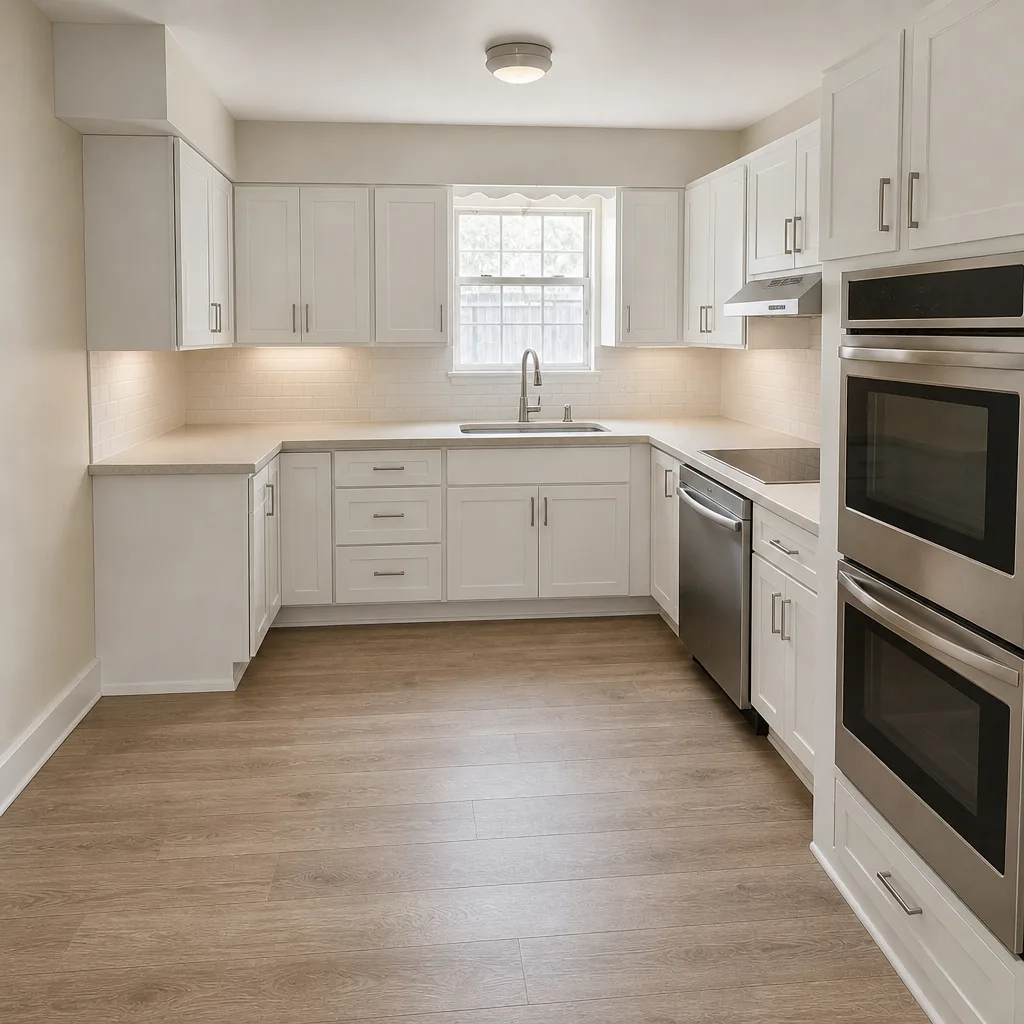 After
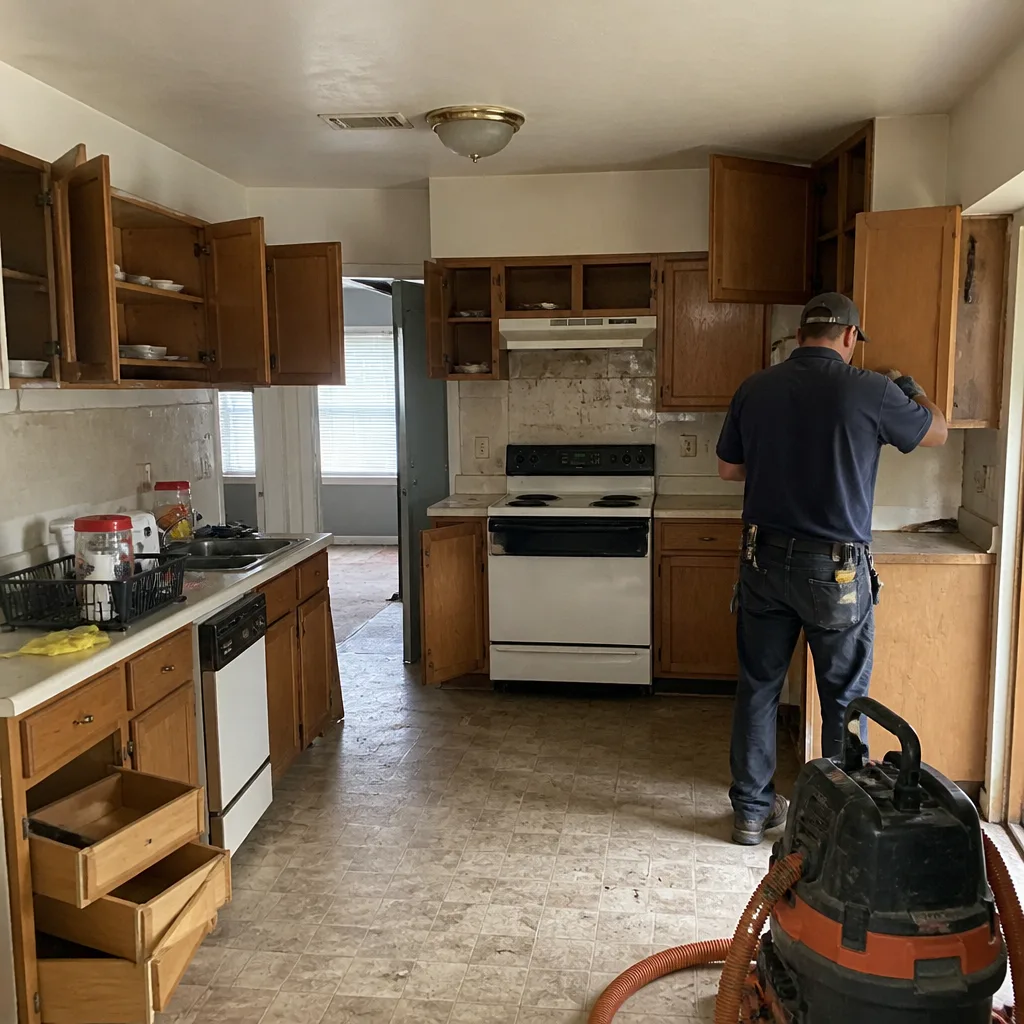 Before
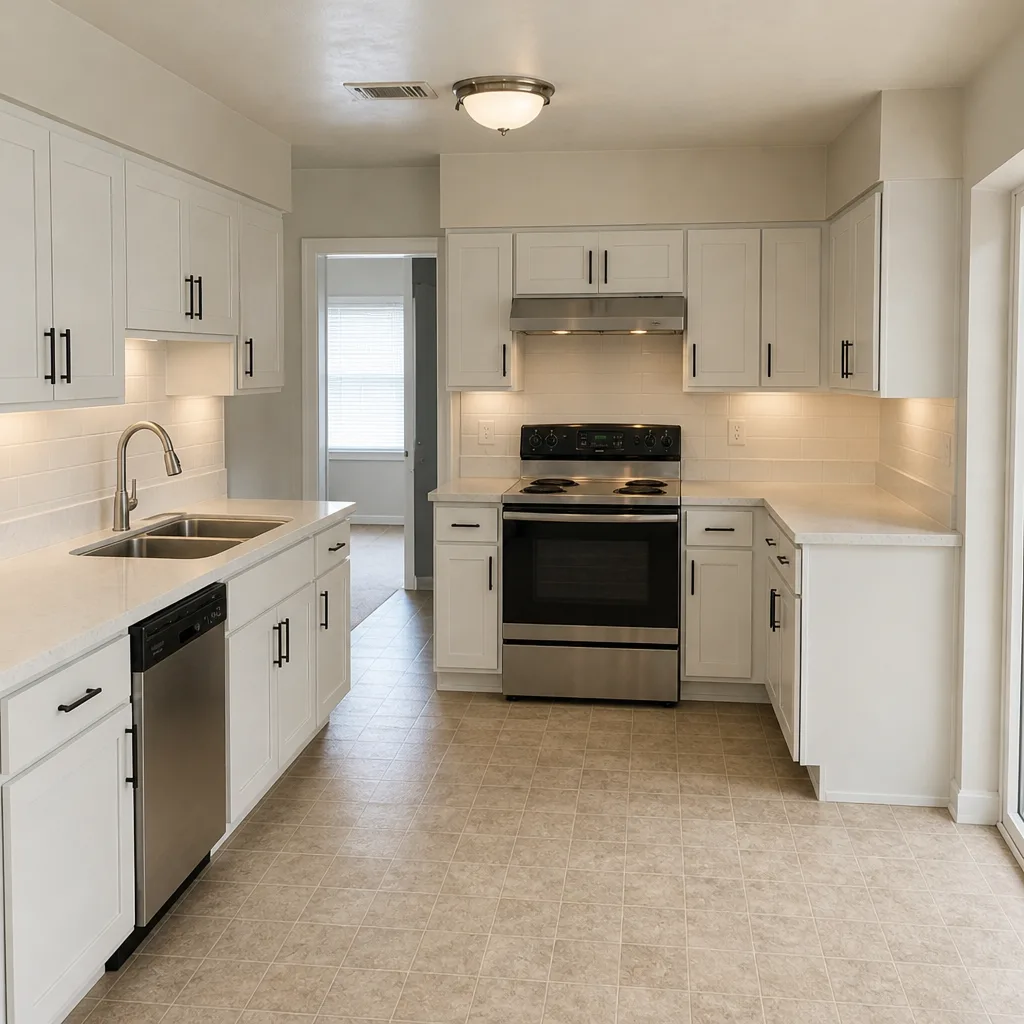 After
When to Call a Professional
Some work is honestly DIY-friendly. Small repairs, paint, a new faucet, a laminate floor in a spare room. But call a licensed professional when the job touches the envelope, the structure, or the mechanical systems. That includes any wall move, any plumbing relocation inside a wall, any electrical panel work, any roof or foundation issue, any bathroom because waterproofing done wrong gets expensive fast, and any addition. These are the jobs where a mistake costs more to fix than doing it right the first time.
Penhallow Remodeling Garland offers free estimates in Garland and the surrounding neighborhoods. We provide a written price before any work starts, technicians who have up to 22 years of experience, a live person answering the phone 24/7, and a 365-Day Done Right Promise on every project. Call (844) 560-4146 to schedule your free estimate and a walk-through of what your specific home actually needs.
Frequently Asked Questions
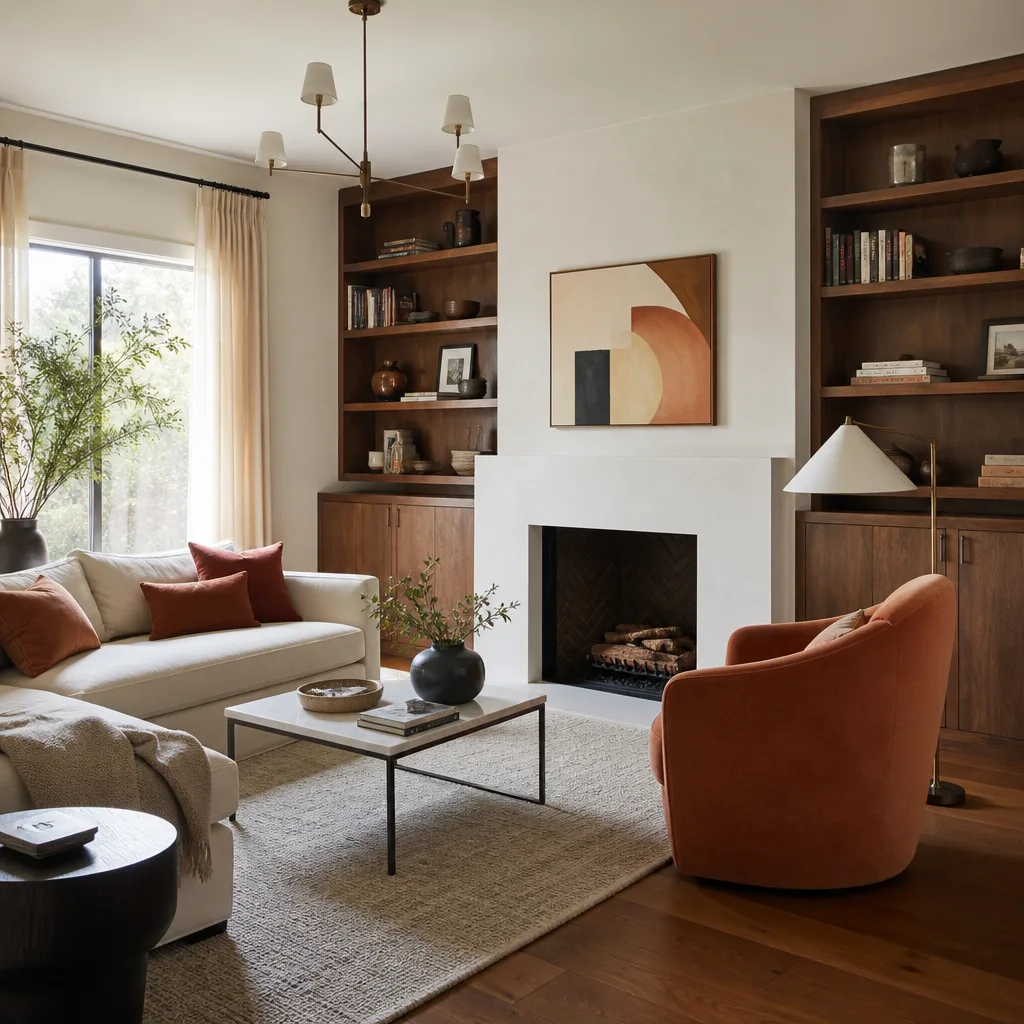
A kitchen remodel in Garland typically runs $28,000 – $62,000 for a mid-tier project, with cosmetic refreshes starting around $18,000 and layout changes with new mechanicals reaching $115,000 or more. The biggest cost lever is the cabinet line, followed by countertop material and whether plumbing or electrical has to move. Call (844) 560-4146 for an exact quote on your kitchen. Estimates are free.
Not usually. Labor rates are similar across the metro, and Garland’s permits are comparable to Dallas. What can differ is the per-project labor premium, which is roughly 5 – 10% above the national average in the DFW metro overall. The bigger differences show up in the finishing tier you choose, not in the city you live in.
Garland permit fees run roughly $200 – $450 for a standard bathroom or kitchen remodel and $1,000 – $2,200 for a room addition, based on project valuation, plus small sub-permits for electrical, plumbing, and mechanical work. HOA architectural review fees, when they apply, add $150 – $500. These belong in your budget, and they belong on the contractor’s written quote.
Not with a properly written fixed-price quote. A real fixed price lists every allowance, names the events that can trigger a change order (concealed damage, code corrections, homeowner-requested changes), and locks the rest. If your quote says “estimate” without fixed-price language, the price can move. Call (844) 560-4146 if you’d like us to review your existing quote in writing.
A hall bath typically takes three to five weeks from demo to finish, a mid-tier kitchen runs five to nine weeks depending on cabinet lead times, and a room addition usually takes four to six months including permitting and inspection. Cabinet lead times are often the pacing item. We give you a written arrival window every day on site, not a vague “starting soon.”
If any work we complete fails within 365 days, we come back and fix it at no charge, and that promise is in writing on every project. That includes a free second visit if a repair fails, no service call and no re-inspection fee. You can read how that fits with our whole scope of kitchen remodeling work in Garland and see the Penhallow Remodeling Garland home page for a full view of capacity.
The Bottom Line
The 2026 Garland construction market is more predictable than the last five years and still full of traps for the unwary. Real numbers protect you in both directions: real ranges stop you from getting overcharged, and specific bid detail stops you from underpaying and paying twice. Budget for permits and HOA review from day one. Read quote line items closely for demo, disposal, and allowances. Insist on a fixed price with a written guarantee, and treat any bid far below the pack as a warning sign, not a bargain. Do those four things and you’ll be ahead of ninety percent of the bids we see in this city.
Written by the team at Penhallow Remodeling Garland.