Last updated November 18, 2026



Free written scope consultation - allowances, timeline, and change-order rules on paper before a single trade is scheduled
Bathroom Remodeling Warning Signs Every Homeowner Should Know
A verbal estimate that “sounds about right” is not a price. It’s an opening position, and once your old shower is demolished and sitting in a dumpster in your driveway, your negotiating leverage goes with it. The costliest bathroom remodeling mistakes rarely show up in the finished photos. They hide in contractor behaviors that happen before the first tile is set: the missing written price, the vague contract clause, the permit that was never pulled. Most homeowners don’t learn to spot these signals until they’re already paying for the fallout. This guide walks through what to watch for, what to ask instead, and how a fair deal actually looks on paper. We’ve watched plenty of Garland remodels get rescued mid-project, and the warning signs were almost always there from day one.
Quick Answer
The biggest bathroom remodeling warning signs are a contractor who won’t put a fixed price in writing before demo, a contract with no clear remedy for hidden moisture or mold, a timeline that’s suspiciously fast because permits were skipped, and a “guarantee” that’s only verbal. Any one of these signals is a reason to slow down. Two or more together is a reason to walk, no matter how good the bid looks.
Styles & brands we work with
- Kitchen remodeling
- Bathroom remodeling
- Home additions & ADU
- Roofing
- Windows & doors
- Driveway & pavers
- Fence
Table of Contents
- Why a Verbal Estimate Is a Warning Sign
- Contract Language That Lets a Contractor Walk Away
- The Permit-Skipping Pattern on a Bid
- Subcontractor Opacity and Who’s Really Doing the Work
- What a Real Written Guarantee Looks Like
- A 7-Point Pre-Signing Checklist
- Red Flags on the First Visit
Why a Verbal Estimate Is a Warning Sign
A contractor who won’t commit to a number before demo is structurally incentivized to change-order you once the walls open up. It isn’t always malice. Sometimes it’s a business that never learned to price work properly and plans to figure out the cost as it goes, on your dime. Either way, you absorb the risk.
Think about the timing. Before demolition, you can still walk away, get another bid, or negotiate. After demo, your bathroom is a studded shell with a toilet in the hallway. You have no floor, no shower, and no leverage. That’s the moment the “we found some stuff” conversation happens, and the estimate that started at a number becomes a number plus a list.
Here’s what a fair bid separates clearly:
- Labor broken out by phase (demo, rough-in, tile, finish).
- Materials named by brand and line, not “mid-grade tile.”
- A contingency allowance stated openly for hidden conditions, with a defined cap.
- What’s excluded (usually structural repair and hazardous material abatement) written in plain words.
In Garland, we regularly see estimates that balloon after demo day because the contractor priced a “standard” shower pan replacement without ever looking at what’s under the existing pan. A written price that accounts for likely subfloor or substrate issues won’t surprise you later. That’s the whole point of the bathroom remodeling in Garland approach we bring: a written number you can hold us to, before a single cabinet is pulled.
Contract Language That Lets a Contractor Walk Away
The single most overlooked warning sign lives in the contract itself, and it usually involves moisture or mold. Look for language like “Contractor is not responsible for pre-existing conditions discovered during demolition” with no remedy plan attached. That clause lets a contractor find a soft subfloor or a patch of hidden mold, stop work, and leave the discovery entirely in your lap with no scope, no price, and no path forward.
Hidden moisture is common in older Garland homes, where a slow shower pan leak can saturate the subfloor for years before anyone notices. A professional contract doesn’t dodge that reality. It plans for it.
What to ask for instead:
- A discovery protocol. What happens, in writing, when they open a wall and find something unexpected? Who stops work, who inspects, and how fast do you hear about it?
- A priced remedy menu. Not exact dollars, but a defined method for costing the fix and getting your written approval before continuing.
- No “as-is” escape hatch. The contractor should be responsible for the remedy work if they’re the ones who recommended the scope, or should state plainly what they won’t touch and why.
- A hold-harmless that runs both ways. You shouldn’t be left holding an open-ended bill for a problem the contractor’s own crew caused during demo.
The underlying principle is simple: no change orders without your written approval on a priced scope. Any contract that skips that step is a warning sign worth taking seriously.
The Permit-Skipping Pattern on a Bid
Permit skipping rarely announces itself. It shows up sideways, disguised as a good deal. On a bid, it looks like a timeline that’s a little too fast, a price that’s a little too low, and a contractor who shrugs off your question about permits with a “we don’t need one for this.”
That bathroom you’re planning almost certainly does need one. Most bathroom remodels that move plumbing, add or relocate electrical, or reconfigure walls require permits, and in Garland the inspection record matters for years afterward.
Why it matters beyond the paperwork:
- Resale. Unpermitted work can surface during a buyer’s inspection and stall a sale, or force you to disclose it.
- Insurance. If a leak or electrical fire traces back to unpermitted work, a claim can be denied or contested.
- Code compliance. A licensed plumber or electrician who skips the permit also skips the inspection that would have caught a shower valve installed without proper pressure testing or a GFCI outlet left out.
- Liability. If something fails, you may be the one footing the cost, not the contractor who cut the corner.
The tell is in the question you ask. “Who pulls the permit, and can I see the inspection cards?” A legitimate contractor answers without flinching and puts it in writing. A permit-skipper changes the subject, tells you it’ll slow things down, or prices the permit out as an optional add-on. When we walked through a recent bathroom remodel in a Garland neighborhood near the old downtown square, the homeowner had already been quoted a reno with zero permit line items by another company. That omission alone told the story.
Subcontractor Opacity and Who’s Really Doing the Work
You hired the general contractor. But on most bathroom remodels, the plumbing and electrical are done by subcontractors, and a warning sign appears when the GC won’t tell you who they are. “We have our guys” is not an answer.
You should know, in writing, who is handling the trades that carry real risk. Plumbing and electrical are the two that matter most, because they’re behind the walls and expensive to fix wrong.
Ask three questions before signing:
- Are the plumber and electrician licensed and insured? The GC’s insurance doesn’t cover a sub who isn’t.
- Are they background-checked? People are going to be in your home for weeks. Know who they are.
- What’s the chain of accountability? If the plumber’s work fails and the shower valve leaks into the subfloor three months later, who makes it right? The answer should be the company you signed with, not “call the plumber.”
Our standard is that all technicians are background-checked and arrive in uniform, and we name who’s doing what before the project starts. If the crew shows up with no continuity, different faces every week, and no clear lead, that’s a coordination problem waiting to cost you time. A GC who can’t tell you who’s doing the plumbing doesn’t have the oversight to guarantee the outcome. If you want the deliverable view, our general contractor in Garland page covers how a project-managed remodel is supposed to run.
What a Real Written Guarantee Looks Like
“We stand behind our work” is not a guarantee. It’s a feeling. A guarantee is a written document with a defined period, a defined scope, a defined remedy, and a phone number to call.
When someone tells you they’ll “make it right,” ask for the piece of paper that says how. Here’s the difference between the two:
- Verbal assurance: open-ended, unenforceable, disappears when the contractor does.
- Written guarantee: states what’s covered (labor, materials, or both), for how long, and exactly what happens if the work fails.
Our version is the 365-Day Done Right Promise: if the work fails inside the guarantee period, we come back and fix it at no charge, and that’s covered in writing on every project. What we’ve learned from years of fielding callbacks is that a guarantee is only as good as the visit behind it. A free return visit if the repair fails, no service call and no re-inspection fee, is the version a hesitant homeowner can actually use.
The other thing a written guarantee should name is the materials. When a contractor installs Cambria quartz in your vanity top, that product carries its own manufacturer warranty alongside the workmanship guarantee. Toto fixtures and Moen shower valves come with their own coverage too. That’s how protection stacks: the product from the maker, the installation from the contractor, both in writing.
A 7-Point Pre-Signing Checklist
Run any bid against these seven points before you sign. A legitimate contractor will have most of them ready, and the ones missing are exactly the questions to ask.
- Written fixed price with labor and materials broken out, dated and signed by both sides.
- Discovery and change-order protocol in writing, with your approval required before any additional work is priced.
- Permit responsibility named (the contractor pulls it or the homeowner does, but either way, it’s on the page).
- Subcontractor disclosure for plumbing and electrical, including license and insurance status.
- A defined start window, not “we’ll get to it in a few weeks.” A real arrival window means something.
- Written guarantee terms covering scope, duration, and remedy.
- Change-order cap: what percentage over the original price the contractor is allowed to bill without your express written consent.
A contractor who gives you the number before the tools come out and puts the guarantee in writing is not making an exception. That’s just how a fair deal is supposed to be structured. If you want to see how the rest of a kitchen or whole-home scope is priced, the kitchen remodeling in Garland page follows the same upfront-price pattern.
Red Flags on the First Visit
Some warning signs show up before the contract ever comes out. They’re behavioral, and they’re easy to miss when you’re excited about the finished bathroom in your head.
- The pressure to sign today. A discount that “expires Friday” or “only two slots left” is a sales tactic, not a schedule reality. A legitimate contractor doesn’t need a countdown clock.
- No written timeline in the first conversation. If the contractor can’t tell you roughly how many weeks the job will run, they haven’t planned it.
- Can’t or won’t name the product lines. “Mid-grade tile” is a placeholder for “we’ll pick whatever’s cheapest on the truck.” Ask for KraftMaid, Wellborn, or the specific tile line by name.
- No phone number that reaches a person. If you can’t reach a live human on the phone at 7 p.m. the night before demo, don’t expect to reach one when the job goes sideways. A live person answers our phone 24/7.
- Reluctance to put the guarantee in writing. A company confident in its work will hand you the terms without being asked twice.
Around Garland, we’ve watched too many homeowners learn this list the hard way after a crew packed up mid-job. The good news is that catching a red flag at the kitchen table costs you nothing.
Common Mistakes to Avoid
- Letting demo happen before the price is signed. Once your old shower is in the dumpster, you’ve lost the ability to negotiate. Get the written number first.
- Accepting a “we’ll figure it out as we go” change-order clause. That’s how a $20,000 bathroom becomes a $34,000 bathroom by week three.
- Skipping the permit to save the timeline. It’s a small savings now and a big problem at resale or claim time.
- Not asking who’s doing the plumbing and electrical. You’re entitled to know the trades behind the walls.
- Treating a verbal “we stand behind it” as a guarantee. Ask for the terms in writing, with a defined remedy and a way to reach a live person.
- Choosing the fastest bid over the clearest one. Speed is not a proof point on a planned remodel, and the fastest timeline often signals the permit got skipped.
- Paying a large deposit before a single line item is in writing. A fair contractor will accept a reasonable deposit against a written price, not a blank check.
The pattern behind all of these is the same: the costliest mistakes get made before any work starts, in the paperwork and the conversation, and they’re the easiest to catch if you know what to look for.
See the difference
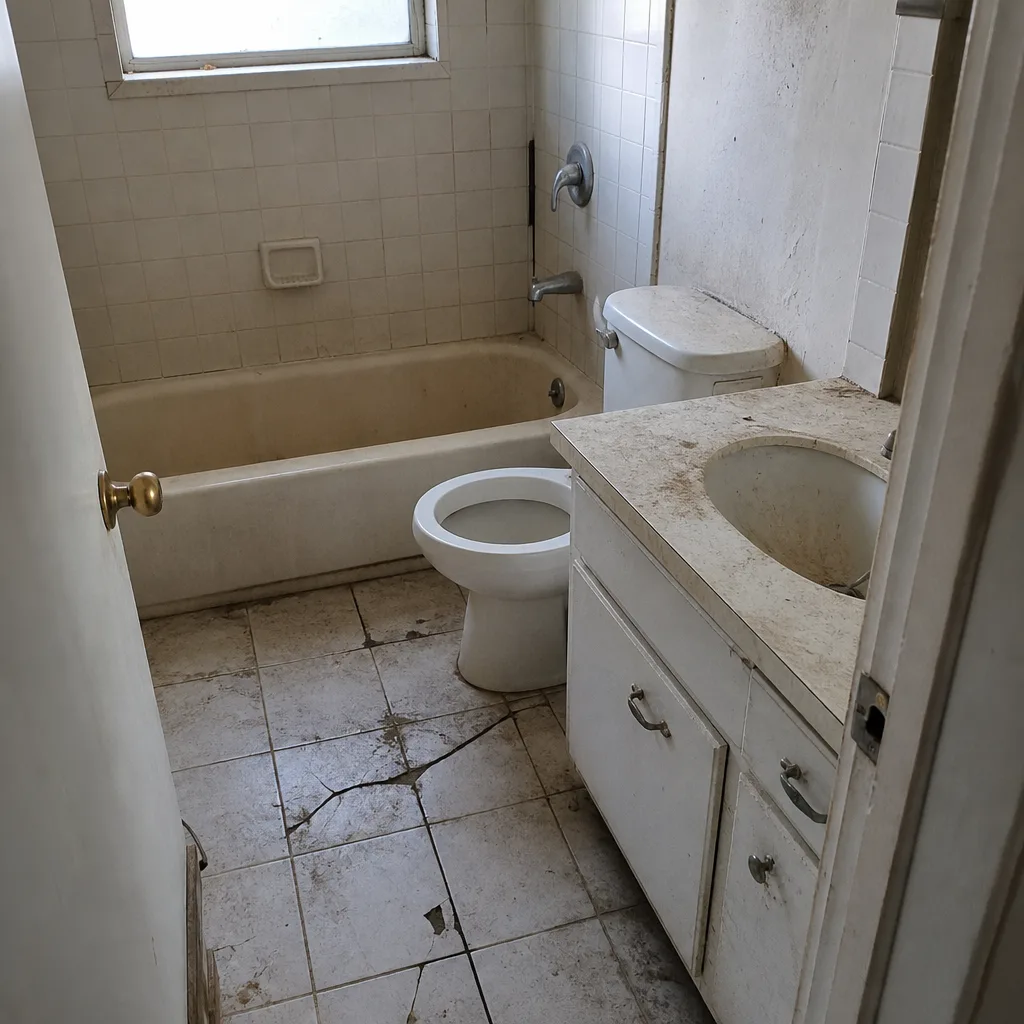 Before
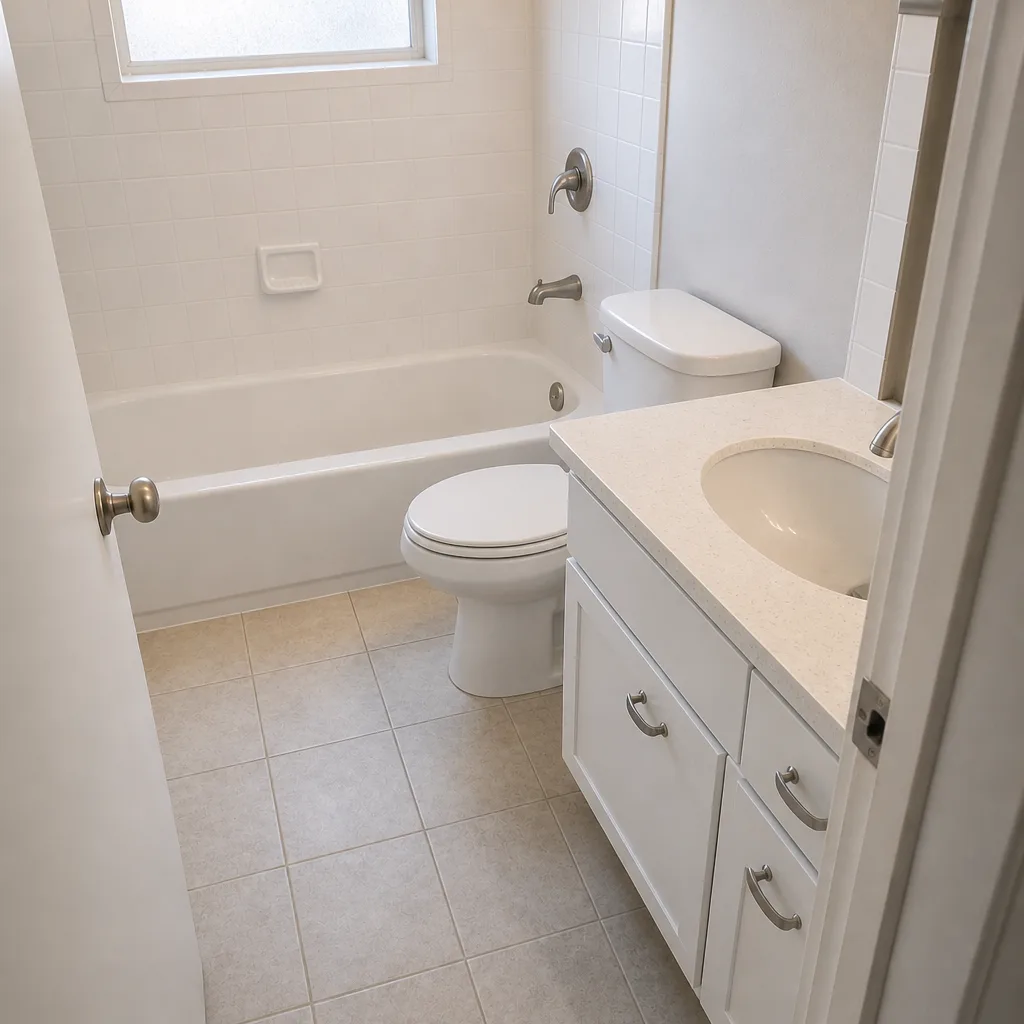 After
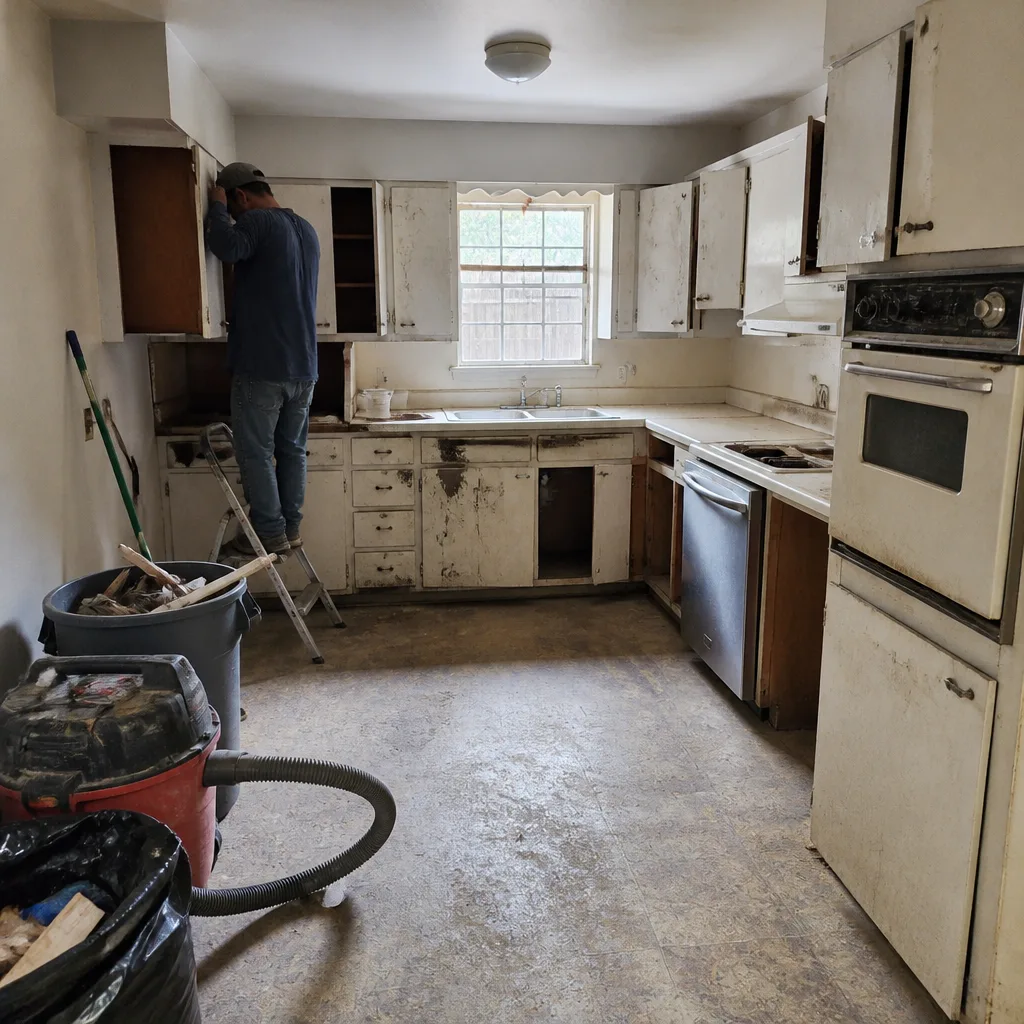 Before
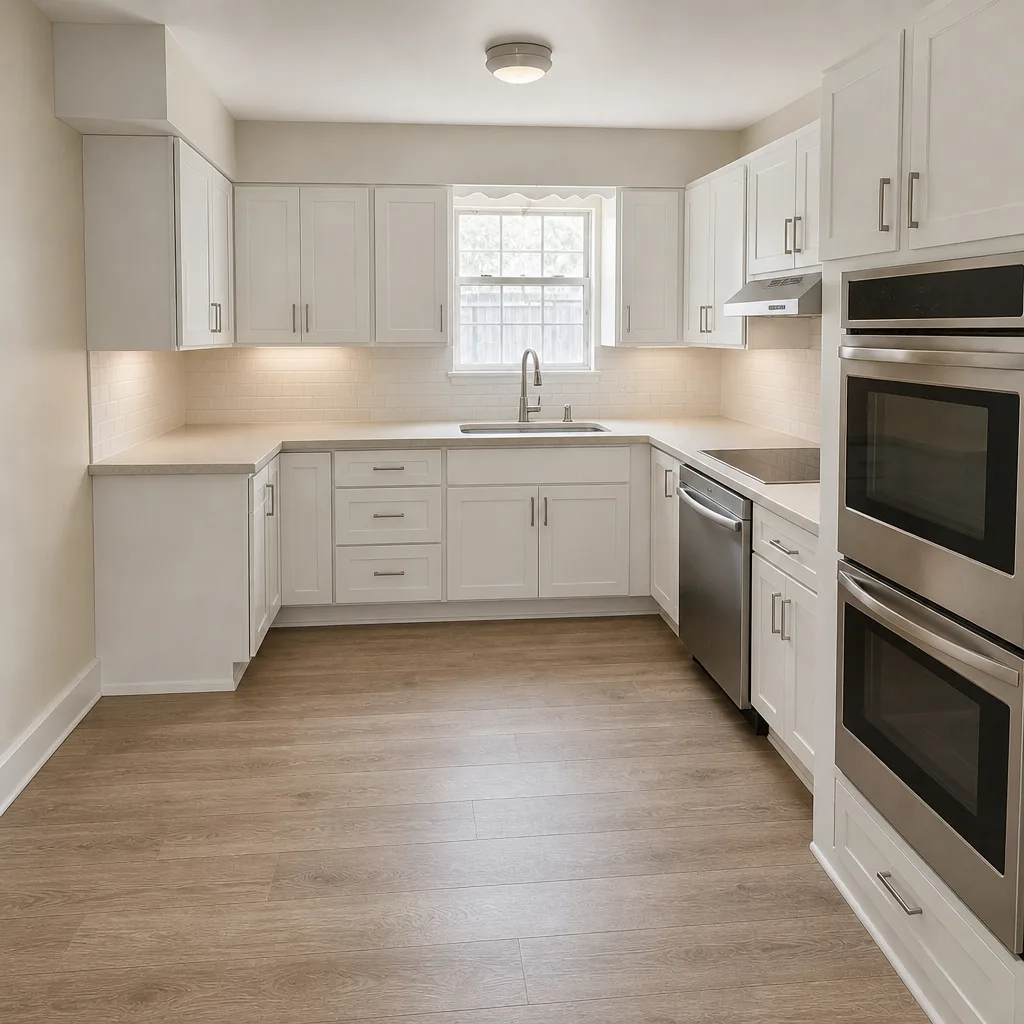 After
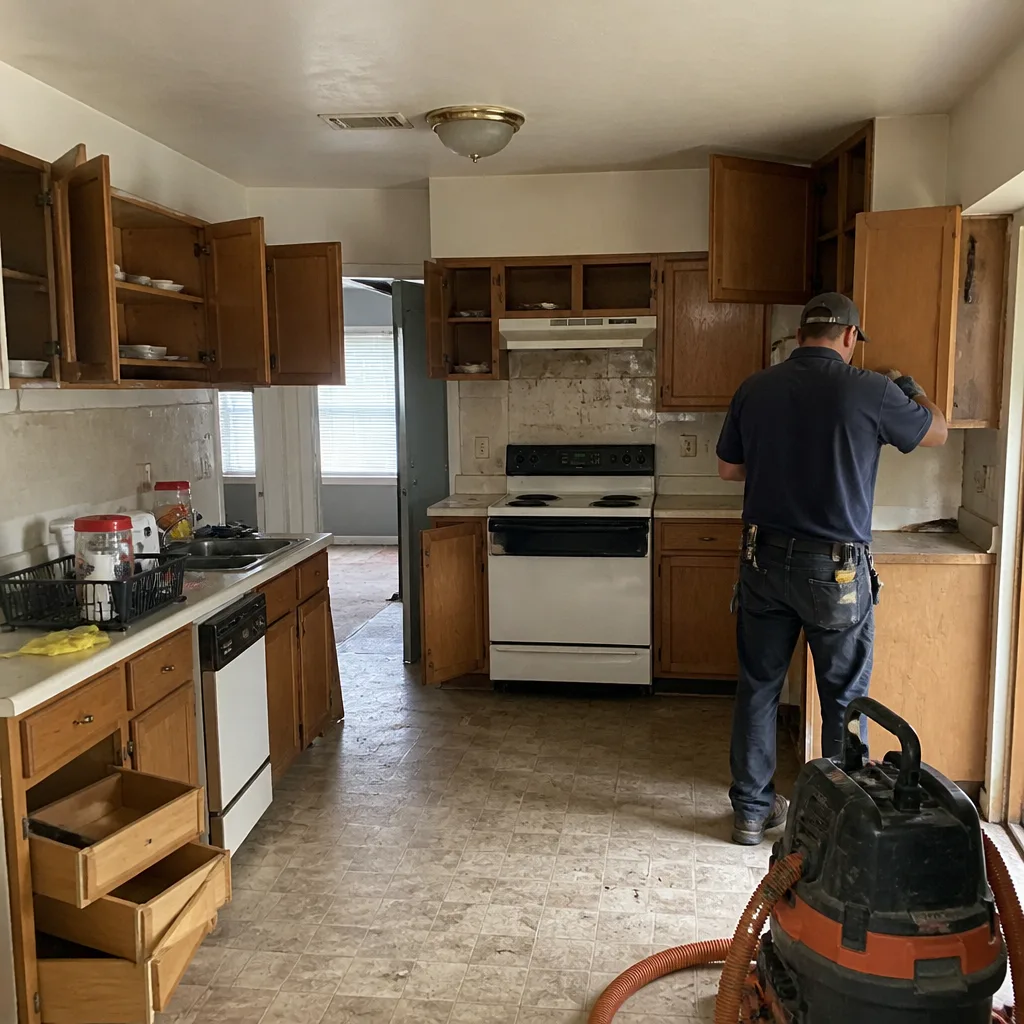 Before
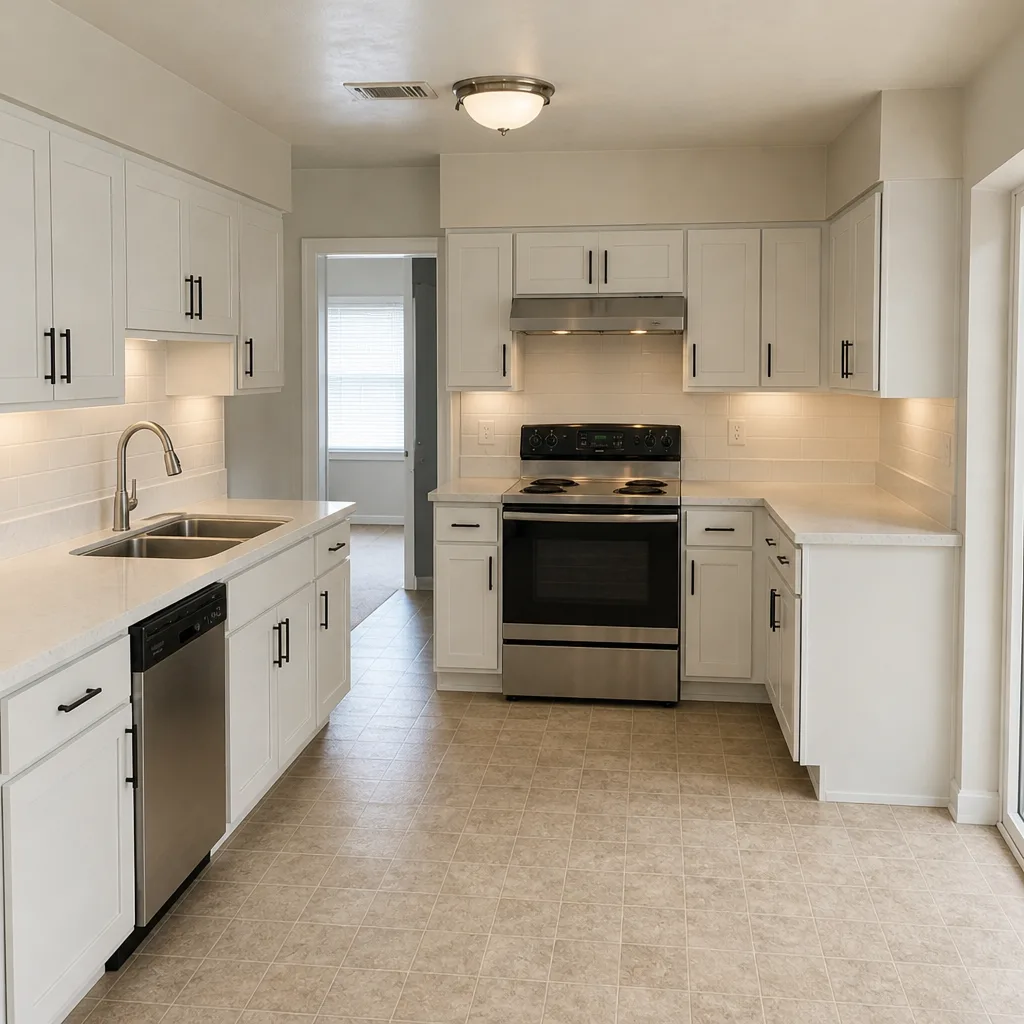 After
When to Call a Professional
Call a professional before you sign, not just after something goes wrong. If you’ve got a bid in hand and something on this list doesn’t add up (no written price, an open-ended change-order clause, no named plumber or electrician, no written guarantee), that’s a good moment to get a second read on it. If you’ve already started a bathroom remodel in Garland and discovered a mid-project change order with no prior written approval, that’s also worth a call. And if you’re simply planning the work and want a written number you can hold us to before the first tile comes up, we’ll do that. Penhallow Remodeling Garland offers free estimates in Garland, with a written price and the 365-Day Done Right Promise spelled out on paper. Call (844) 560-4146 to schedule yours, or start with the Penhallow Remodeling Garland home page to see how we structure every project.
Frequently Asked Questions
A contractor who won’t put a fixed price in writing before demo. Once your bathroom is torn apart, you have no leverage, and a verbal estimate becomes a change order conversation you can’t refuse. Get the number in writing, signed and dated, before any work starts.
In the Garland market, a standard bathroom remodel typically runs $12,000 to $28,000, and a larger project with a walk-in shower, new vanities, and upgraded materials can land between $30,000 and $55,000. The variables are size, tile and fixtures, whether the plumbing gets relocated, and whether you’re choosing a KraftMaid vanity over a stock one. Call (844) 560-4146 for an exact quote on your specific bathroom, and we’ll put the line items in writing.
Not if it’s written into the contract that way. A fair deal prices the known scope up front and defines a discovery protocol for hidden conditions, with your written approval required before any additional cost is added. If the contractor can’t explain what would trigger a change order before you sign, that’s the warning sign. Call (844) 560-4146 for a written price with the change-order policy attached.
We do, and it’s a line item on the bid, not a surprise. Your contractor should name who’s pulling the permit before the first day of work, and it should cover any plumbing, electrical, or structural changes. If a bid feels suspiciously fast and light on paperwork, ask to see the inspection process in writing. Call (844) 560-4146 if you want to talk through what your specific project needs.
Most bath remodels in Garland run four to seven weeks, depending on size, tile complexity, and whether plumbing is being relocated. The schedule should be defined before demo, not after. A timeline that’s a week or two faster than every other bid is worth a second look, because speed on a planned remodel often means permits were skipped. Call (844) 560-4146 to get a real schedule with your written quote.
A written guarantee names the duration, the scope (labor, materials, or both), and the remedy if the work fails. Our 365-Day Done Right Promise states plainly that if the work fails inside the period, we come back and fix it at no charge, with a free return visit and no service call fee. Any guarantee that isn’t in writing isn’t a guarantee. Call (844) 560-4146 and we’ll walk you through the terms before you sign anything.
The Bottom Line
The costliest bathroom remodeling mistakes hide in the paperwork, not the photos. A written price before demo, a clear change-order protocol, a pulled permit, named plumbing and electrical subs, and a guarantee with actual terms on paper: those five checkpoints separate a fair deal from an expensive one. If a contractor skips any of them, ask why, and be ready to walk if the answer gets vague. Trust is built in the conversation before the tools come out, not after the walls are open. For a free estimate in Garland with a written number and a written guarantee, call the team at Penhallow Remodeling Garland at (844) 560-4146. A live person answers around the clock.
Written by the team at Penhallow Remodeling Garland.