Last updated November 18, 2026



Free written scope consultation - allowances, timeline, and change-order rules on paper before a single trade is scheduled
How Long Does Bathroom Remodeling Take? Timelines and What to Expect
Most bathroom remodels run long not because tile-setting is slow, but because the homeowner didn’t know the vanity they picked had a six-week lead time. That fact surfaces on demo day, when the old vanity is already in a dumpster and the new one is somewhere in a shipping container. The hammering is rarely the bottleneck. The waiting is.
This guide maps the calendar of a bathroom remodel honestly, in phases, with the day-ranges we see in Garland homes. You’ll learn where days get lost, which three decisions can each add a week if they slip, and what a written project schedule does before a single tile is pried up. The goal is simple: so you know what to ask before work starts instead of after.
Quick Answer
A cosmetic bathroom refresh (new fixtures, paint, regrouting, a fresh vanity) typically takes 3 to 7 working days. A full gut remodel with layout changes, new plumbing locations, and re-tiling usually runs 3 to 5 weeks of active work, plus 1 to 3 weeks of planning and permit time before demo. The calendar is decided in planning, not on the job site.
Styles & brands we work with
- Kitchen remodeling
- Bathroom remodeling
- Home additions & ADU
- Roofing
- Windows & doors
- Driveway & pavers
- Fence
Table of Contents
- The Four Phases of a Bathroom Remodel
- The Three Decisions That Add a Week Each
- Why a Written Schedule Beats a Verbal Promise
- Cosmetic Refresh vs. Full Gut Remodel: Benchmark Your Own Project
- Tile-Ready vs. Permit-Ready: The Milestone That Matters
- What’s Different About a Bathroom Remodel in Garland
- Common Mistakes to Avoid
- When to Call a Professional
The Four Phases of a Bathroom Remodel
Every bathroom remodel, from a small hall bath to a primary suite, breaks into four phases. Understanding each one tells you where the days actually live. If your contractor can’t articulate these phases with ranges, that’s your first signal something is being glossed over.
Phase 1: Planning and Permits (5 to 14 days before demo)
This is where the calendar gets set. Fixture selection, cabinet orders, countertop fabrication time slots, and permit submission all happen here. In Garland, a plumber relocating a drain line or adding a shower valve typically triggers a plumbing permit through the city, and that review adds a few business days. Countertop shops working with Cambria quartz or Silestone often quote 7 to 10 business days from template to install, which is a clock you start in this phase, not after demo.
Phase 2: Demo (1 to 3 days)
Tearing out the old bath is fast – a day for a cosmetic job, up to three if you’re moving walls or pulling a cast iron tub. The real work of demo is the discovery: what’s behind the wall. Slow drains, soft subfloor, or old galvanized plumbing that wasn’t in the plan. A good schedule builds a buffer day for this. A bad one doesn’t, and the first surprise pushes the whole calendar sideways.
Phase 3: Rough-In Trades (4 to 8 days)
Rough-in is plumbing, electrical, and framing before drywall closes. Moving a shower valve, adding a ceiling fan, or relocating an outlet sits here. Inspections usually happen before the wall is closed, and in Garland that inspection window is a scheduled slot you can’t skip. If rough-in slips, everything after it slips too.
Phase 4: Finish Work (8 to 14 days)
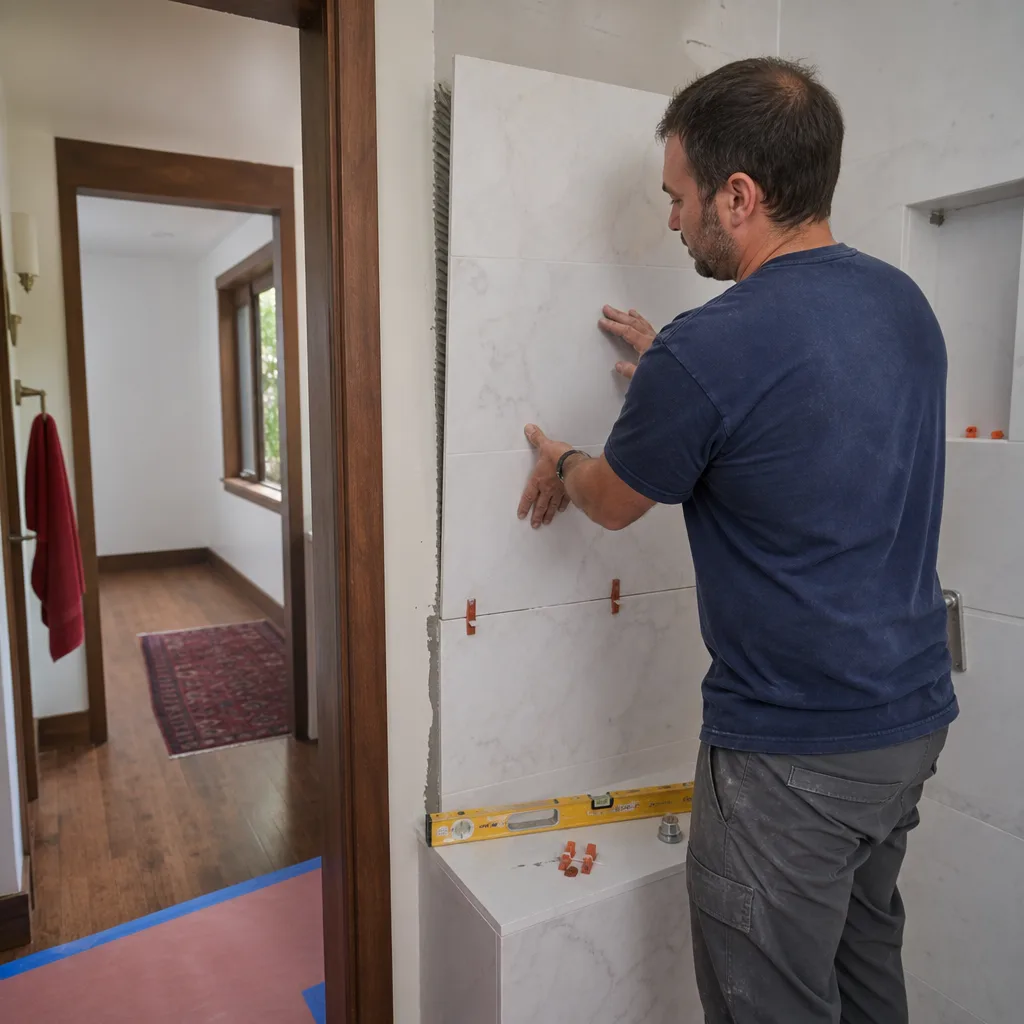
Tile, cement board substrate (the moisture-resistant layer behind your tile), waterproofing membrane, flooring, cabinetry, countertops, fixtures, paint, and trim. This is the slowest-looking phase and the most visible. Tile is set over two days, then grouted, then cured. Cabinets arrive and get set. Countertops template and install on a separate visit. Fixtures get placed last so nothing gets scratched. Finish work takes the most days, but rarely the most schedule risk.
The Three Decisions That Add a Week Each
We’ve seen bathroom remodels drag into month two because of decisions homeowners didn’t know were clock-starters. Three of them do the most damage.
1. Delayed Fixture Selection
A Kohler or Moen shower valve often quotes 5 to 14 days, but the trim, drain, and handshower have their own lead times. If you pick the rough-in valve but not the trim, you stall at the exact moment the plumber needs to set it. Choosing all fixtures, including the shower head, drain cover, and towel bars, in one sitting during planning is the single easiest way to protect your calendar. Write it down before demo day so there’s no scrambling.
2. Permit Pull Timing
In Garland, a bathroom remodel that moves plumbing or electrical requires permits pulled and inspections scheduled. If the permit gets pulled after demo, you’re demo’d with nowhere to go. The permit pull belongs in planning, alongside fixture selection. A written schedule should show the permit date and the rough-in inspection date as hard lines on the calendar, not “when we get there.”
3. Material Delivery Confirmation
Countertops, cabinets, and special-order tile all quote lead times that assume someone confirmed the delivery window. If nobody confirmed, the material shows up the week after you need it. Confirm delivery in writing at least one week before the scheduled install. For KraftMaid or Wellborn cabinetry, that confirmation is the difference between a two-week kitchen-adjacent bathroom refresh and a five-week stall. A written price and a written schedule are the same discipline: say it before, not after.
Why a Written Schedule Beats a Verbal Promise
An open-wall surprise is the classic remodeling risk. A soft subfloor behind the old shower pan, or a drain that needs re-routing, can add days. What makes it drag into month two isn’t the surprise itself – it’s the absence of a written schedule to absorb it.
When we hand a homeowner a written day-by-day schedule before demo starts, three things happen. The homeowner knows what the next milestone is. The crew knows what comes next. And if a surprise turns up, we can name what it costs in days, in writing, in the same meeting where we name what it costs in dollars. That’s The Kingswell Way in practice: say the price before the work, show up in the window we gave, leave the place cleaner than we found it.
A written schedule should include these lines, minimum:
- Permit pull date
- Demo start date and expected duration
- Rough-in inspection date
- Tile-ready date
- Cabinet, countertop, and fixture delivery confirmations
- Final walkthrough and punch-list completion date
If a contractor won’t put those six items on one page, the calendar is being guessed, not managed. That’s the difference between a remodel and a rolling delay.
Cosmetic Refresh vs. Full Gut Remodel: Benchmark Your Own Project
Homeowners routinely compare their 4-day job to a friend’s 5-week job and wonder why the difference. The answer is scope, and it pays to benchmark honestly before you commit.
Cosmetic Refresh (3 to 7 days)
New paint, new vanity and mirror, refinished or regrouted tile, new light fixture, new faucets, re-caulked shower. No walls opened, no plumbing moved, no permits typically needed. Two technicians can finish this in under a week. The trap: cosmetic work on a wet wall sounds quick but hides plumbing problems. If the shower pan leaks or the drain is slow, you’re back to a gut remodel, and the schedule restarts at demo.
Full Gut Remodel (3 to 5 weeks of active work)
Walls down to studs, new plumbing locations, new electrical, new cement board substrate and waterproofing, new tile floor to ceiling, new cabinetry, new countertops, new fixtures, new ventilation. Permits and inspections required. This is a real project with real lead times. Plan 1 to 3 weeks in front of it for selections and permitting.
Full Gut With Layout Changes (5 to 7 weeks)
Moving a toilet, relocating a shower drain, adding a second vanity, or expanding into an adjacent closet. Framing, plumbing, and electrical all shift. In Garland, this is the range where a plan review through the city adds a week on the front end. Worth knowing before you commit to the sketch on the napkin.
Tile-Ready vs. Permit-Ready: The Milestone That Matters
Two milestones get thrown around on schedules, and they are not the same thing. Knowing the difference tells you exactly where your project sits.
Permit-Ready
Your plans are drawn, the scope of work is defined, and the city has what it needs to issue. In Garland, plumbing and electrical changes need permit-ready drawings before the review clock starts. Permit-ready happens in planning, before demo, never after.
Tile-Ready
The wall is closed, the cement board substrate is screwed and taped, waterproofing is applied, and the tile setter can start without waiting. Tile-ready happens in the rough-in phase, after inspection, before finish work. If your contractor tells you “we’ll be tile-ready next week,” ask which inspection passed and what substrate product was used. Schluter waterproofing systems, for example, get specified by name on the written plan because they determine how long the wall has to cure before tile goes up.
How to Use Both
- Ask your contractor to name the permit-ready date in writing.
- Ask which inspections must pass before tile-ready.
- Confirm substrate and waterproofing products on the written plan.
- Match those two dates against the material delivery confirmations.
- If any of the three is missing, the schedule has a hole in it.
That’s the discipline a written schedule enforces. When the milestone is on paper, it can be checked on paper.
What’s Different About a Bathroom Remodel in Garland
A bathroom remodel in Garland has three conditions that change the calendar compared to an open-range build.
Permit Review Adds Business Days
The City of Garland’s permitting process is real, and it takes scheduled time. Plan review for a plumbing or electrical change adds business days to the front end. That time doesn’t disappear if you skip permits; it just moves to the end, where it becomes a code violation discovery during a home inspection. Pull the permit in planning, not after demo, and the review clock runs in parallel with fixture lead times instead of blocking them.
Older Housing Stock Means Open-Wall Surprises
Parts of Garland have homes built in the 1960s through 1980s. Galvanized water lines, cast iron drains, and old subfloor under a leaking shower pan are common. When you open a wet wall in an older Garland home, a buffer day is not pessimism. It’s just how the stock runs. The written schedule has room for it. A verbal promise usually doesn’t.
Slab Foundation and Clay Soil
Much of Garland sits on a slab foundation with expansive clay soil underneath. Clay swells and shrinks with the seasons, and that movement shows up as hairline cracks in tile and gaps at the baseboard. Not a plan failure – a soil reality. Build the re-caulk of baseboards into the final walkthrough. On a full gut remodel, install tile expansion joints where the plan calls for them so the slab movement doesn’t crack the floor later.
Local Contractor Scheduling
Garland is a busy remodeling market, and good crews book ahead. That’s another reason the planning phase is where the calendar gets lost. If you’re scheduling a full gut remodel for a spring or fall start, you’re competing for crew and material slots. Decide in planning, confirm in writing, and the crew arrives on the date it said it would. If you want a broader look at the whole-home picture, our General Contractor in Garland page walks through the wider scope of work; for the bath itself, our Bathroom Remodeling in Garland page covers materials and design; and to see the full Penhallow Remodeling Garland home page, that’s the place to start if you’re new here.
Common Mistakes to Avoid
- Ordering the vanity after demo instead of before. Vanity lead times of four to six weeks are normal for KraftMaid and Wellborn cabinetry. Confirm the delivery date in writing before demo starts, or the new vanity arrives in month two while the old one is already gone.
- Picking the shower valve but not the trim. The plumber needs both at rough-in. Kohler and Moen shower valves quote days, but if trim and drain cover aren’t selected, you stall at the exact moment the wall needs to close.
- Skipping permits to “save time.” In Garland, skipped permits surface later as inspection flags and pricing corrections. Pull the permit during planning so the review clock runs in parallel with material lead times.
- Treating countertop template day as install day. Cambria quartz and Silestone quote separate template and install slots. A seven to ten day gap between them is normal. Schedule install day separately, not as the same afternoon.
- Assuming the shower wall is “just tile.” A missing or incorrectly applied waterproofing membrane is the number-one cause of a six-week redo. Ask which waterproofing product was specified – Schluter and similar systems are named on a real plan.
- Not asking for the written schedule. Verbal schedules slide. A written one has the permit date, the inspection date, and the delivery confirmation on the same page.
- Forgetting the paint and trim clock. Paint after tile and cabinets, trim after paint, touch-up after trim. That’s three separate visits. Budget for them in the schedule, not after the tile guy leaves.
When to Call a Professional
Some of this work you can do yourself. Repainting, swapping a mirror, installing new towel bars – these are homeowner tasks. The moment the plan involves opening a wall, moving a drain, relocating a shower valve, or cutting into the waterproofing envelope, stop and get a professional involved. Water hidden inside a wall costs ten times the plumbing bill to fix. In Garland, the city will also require permits and inspections for plumbing and electrical changes, and those are not DIY tasks.
If you’re within three or four weeks of a bathroom you want redesigned, the planning phase is where the calendar gets set. That’s the right time to call. Penhallow Remodeling Garland offers free estimates in Garland – call (844) 560-4146 and we’ll walk through your scope, the permit path, and a written schedule before a single cabinet comes out.
See the difference
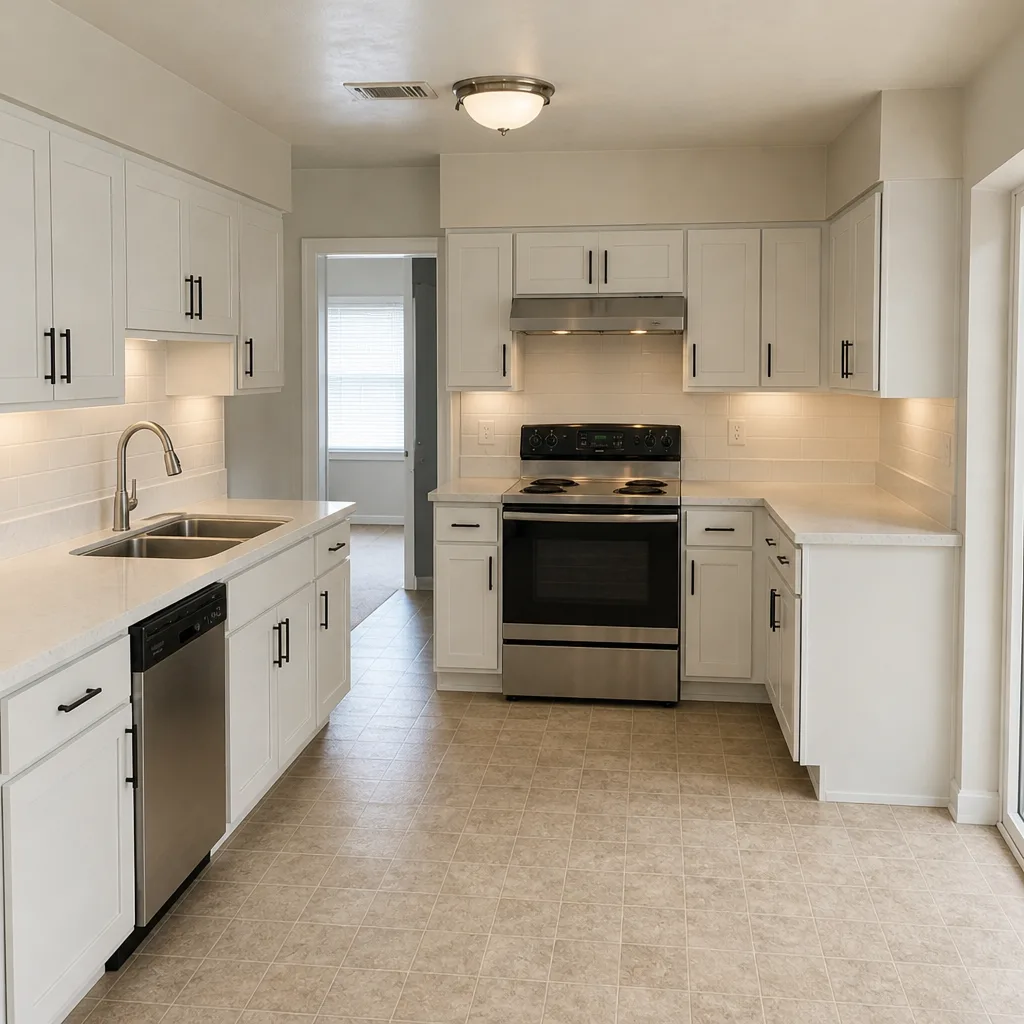
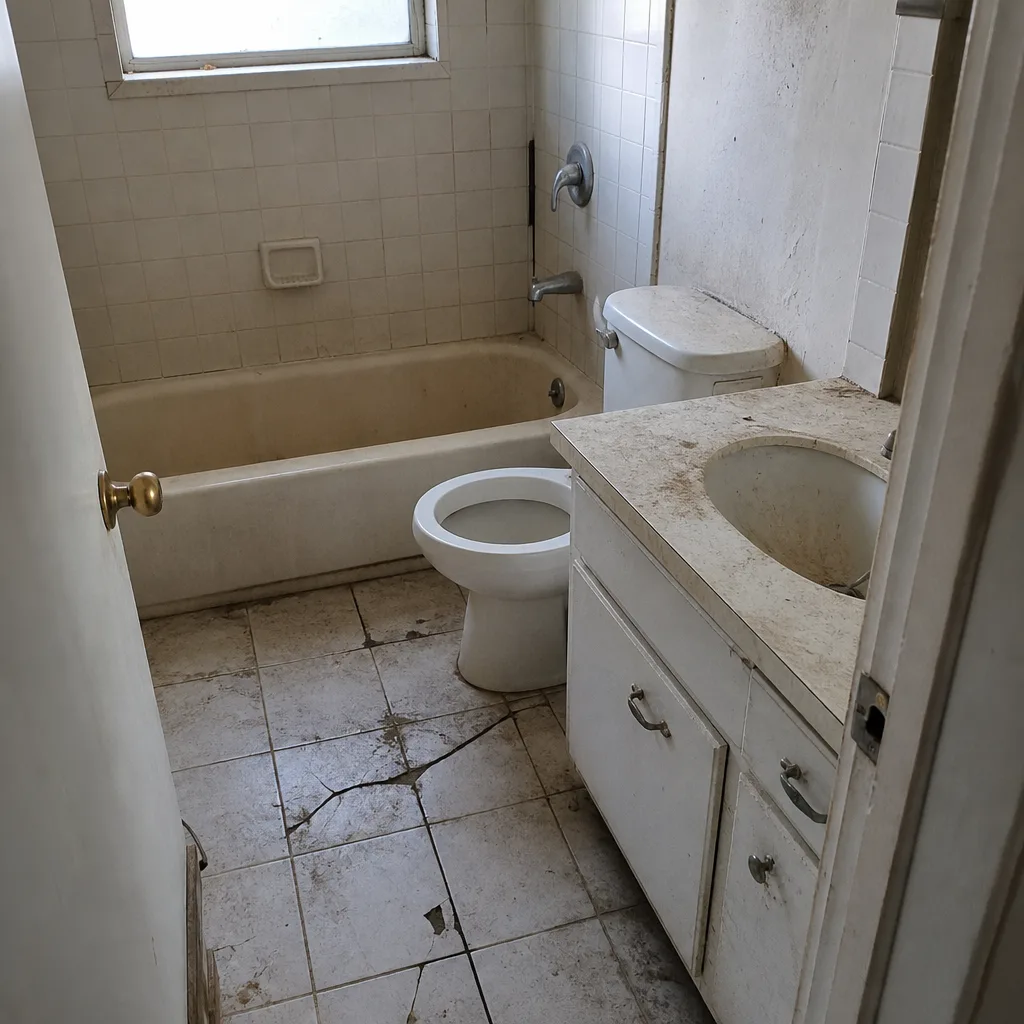 Before
 After
 Before
 After
 Before
 After
Frequently Asked Questions
A cosmetic bathroom refresh in Garland takes 3 to 7 working days. A full gut remodel with layout changes takes 3 to 5 weeks of active work plus 1 to 3 weeks of planning and permit review before demo. The front-end planning phase is where most of the total calendar gets decided. Call (844) 560-4146 for an exact written schedule on your specific scope.
Bathroom remodels run over schedule when a fixture, cabinet, or countertop lead time wasn’t confirmed before demo. The most common single cause is ordering the vanity after demo day instead of during planning. In our experience, three delays – fixture selection, permit pull timing, and delivery confirmation – account for most of the extra weeks. Call (844) 560-4146 to get a written schedule that puts those three on the calendar before work starts.
Yes, if the project moves plumbing, relocates plumbing fixtures, or changes electrical. Cosmetic work like paint, mirror swaps, and refixturing typically doesn’t require permits. The permit pull belongs in planning, before demo, so the review clock runs in parallel with material lead times. Call (844) 560-4146 and we’ll confirm which permits your Garland project needs.
A cosmetic bathroom refresh – new vanity, paint, faucets, regrout – can finish inside a week. A full gut remodel cannot. Once walls open up and plumbing moves, permits, inspections, and tile cure times push the floor above a week even in the best case. Anyone promising a full gut in seven days is skipping steps you’ll pay for later. Call (844) 560-4146 for an honest written timeline.
Permit-ready means the plans are drawn and submitted to the city, and that happens in planning before demo. Tile-ready means the wall is closed, cement board substrate is installed, and waterproofing is applied, which happens after rough-in inspection. Asking your contractor to name both dates in writing is the quickest way to know if the schedule is real. Call (844) 560-4146 to schedule a free estimate.
No, when the price is in writing before work starts. That’s the discipline that keeps the number on day one and the number on the invoice the same. If a surprise turns up behind a wall, it gets priced in writing before it goes on the schedule. Call (844) 560-4146 to see what a written price looks like on your project.
The Bottom Line
The calendar on a bathroom remodel is mostly set before demo day. Planning and permits take 1 to 3 weeks, demo takes 1 to 3 days, rough-in takes 4 to 8 days, finish work takes 8 to 14 days – and a cosmetic refresh can wrap inside a week. The three decisions that protect the schedule are fixture selection, permit pull timing, and material delivery confirmation. A written project schedule, with permit-ready and tile-ready dates on the page, is the single best defense against an open-wall surprise dragging into month two. In Garland, permits, older housing stock, and clay-soil foundation movement all shape the timeline. Deciding on paper before anything gets pulled is the difference between a bathroom and a project.
If you’re planning a bathroom remodel in Garland and want the calendar to look like a plan rather than a guess, our team is here to help. Our technicians have up to 22 years of experience, every project carries a written price before work starts, and every visit is scheduled with a real arrival window. Our Kitchen Remodeling in Garland team has worked the same material lead times on adjacent projects, and The Kingswell family of companies has operated under The Kingswell Way since 2004 – each location independently owned and operated. We answer the phone live, 24/7, and every project is backed by the 365-Day Done Right Promise in writing. Call (844) 560-4146 for a free estimate on your Garland bathroom remodel.
Written by the team at Penhallow Remodeling Garland.