





Free written scope consultation - allowances, timeline, and change-order rules on paper before a single trade is scheduled
Styles & brands we work with
- Kitchen remodeling
- Bathroom remodeling
- Home additions & ADU
- Roofing
- Windows & doors
- Driveway & pavers
- Fence
See the difference
 Before
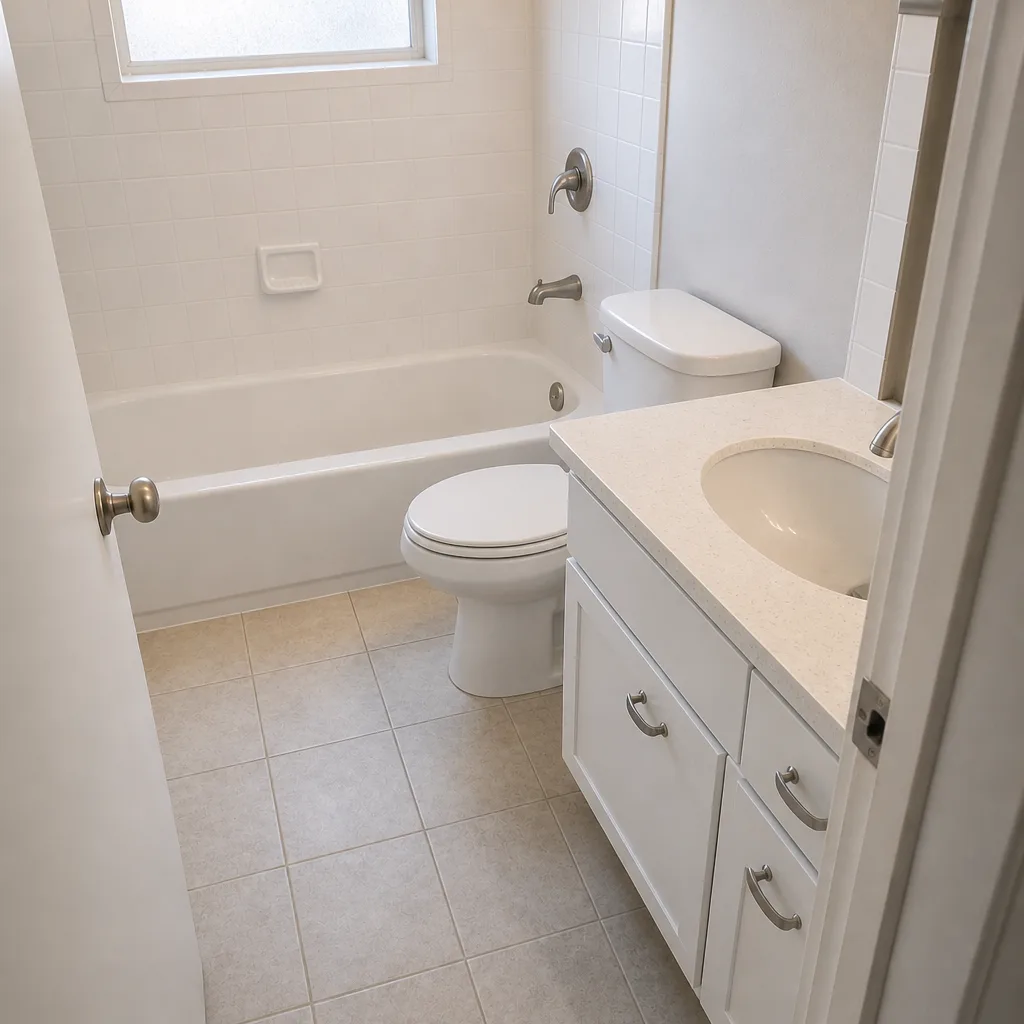 After
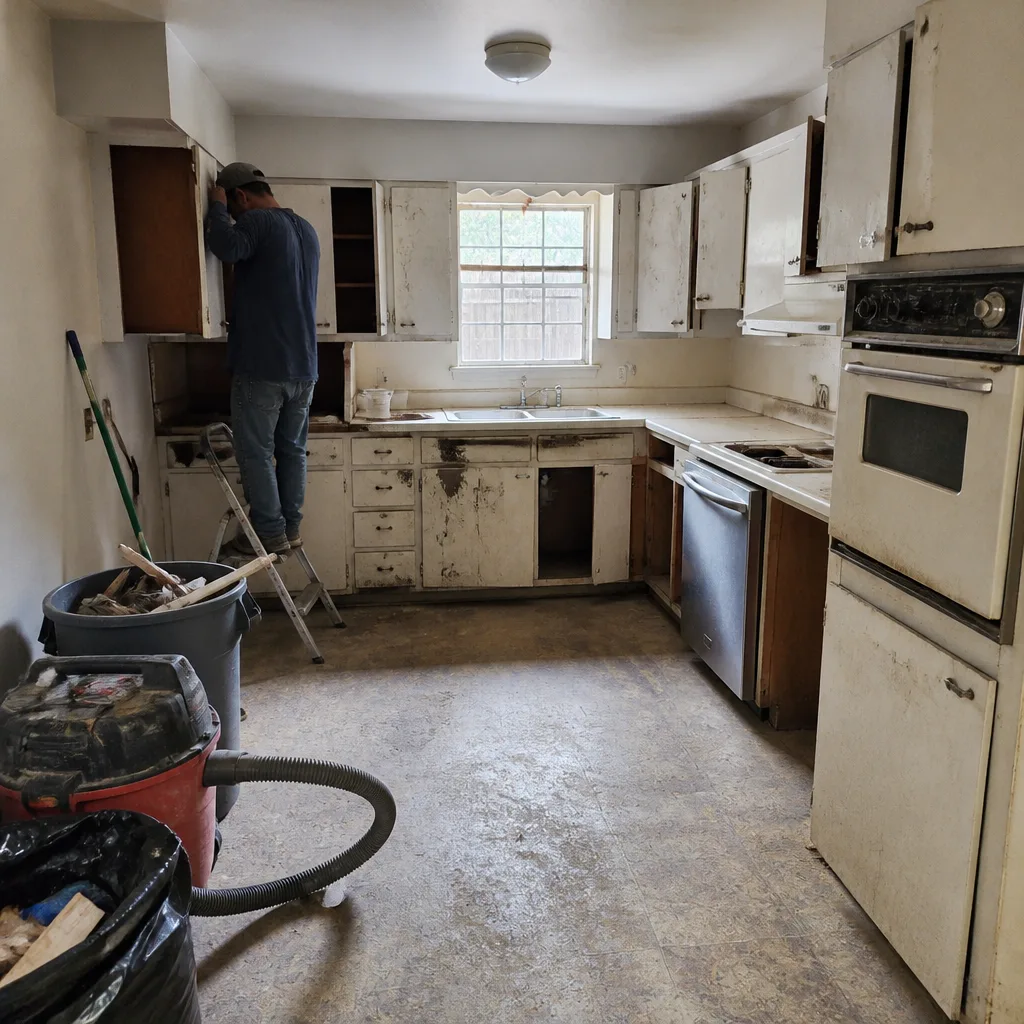 Before
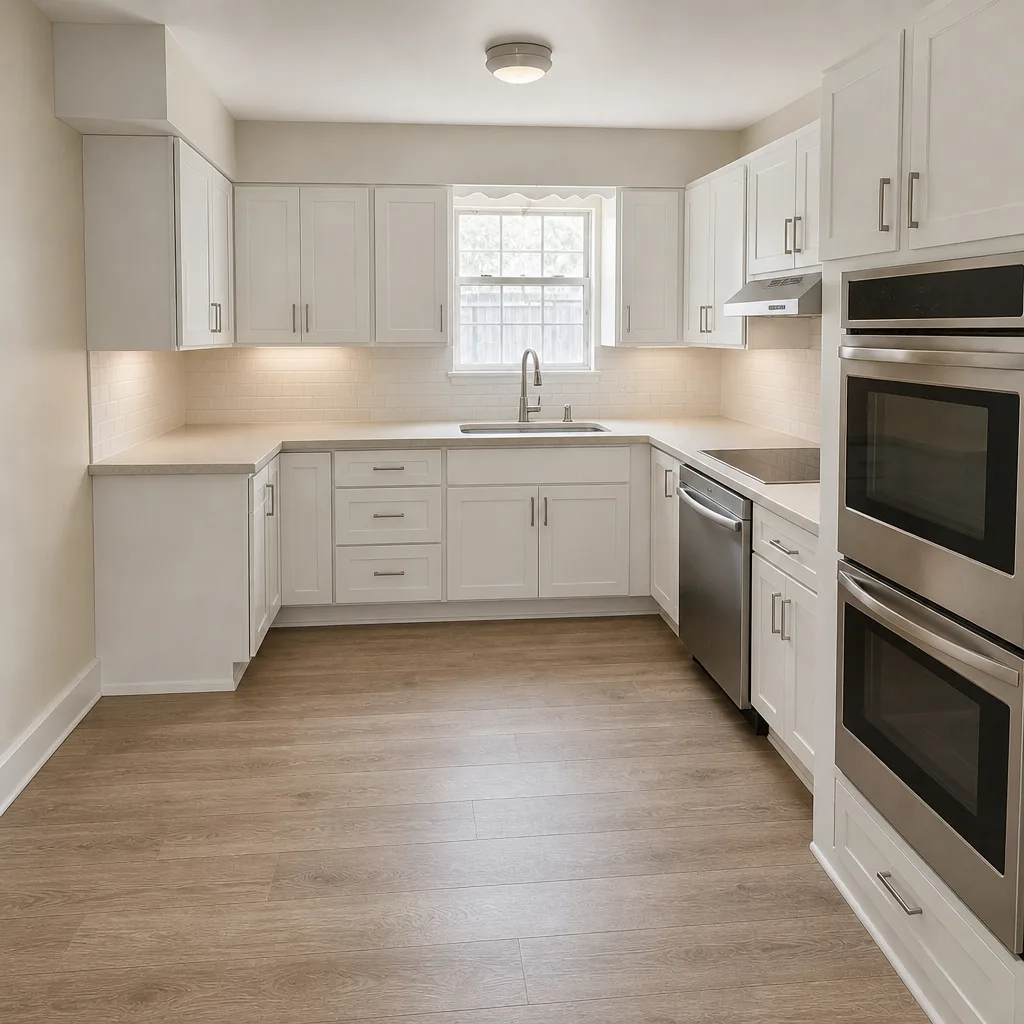 After
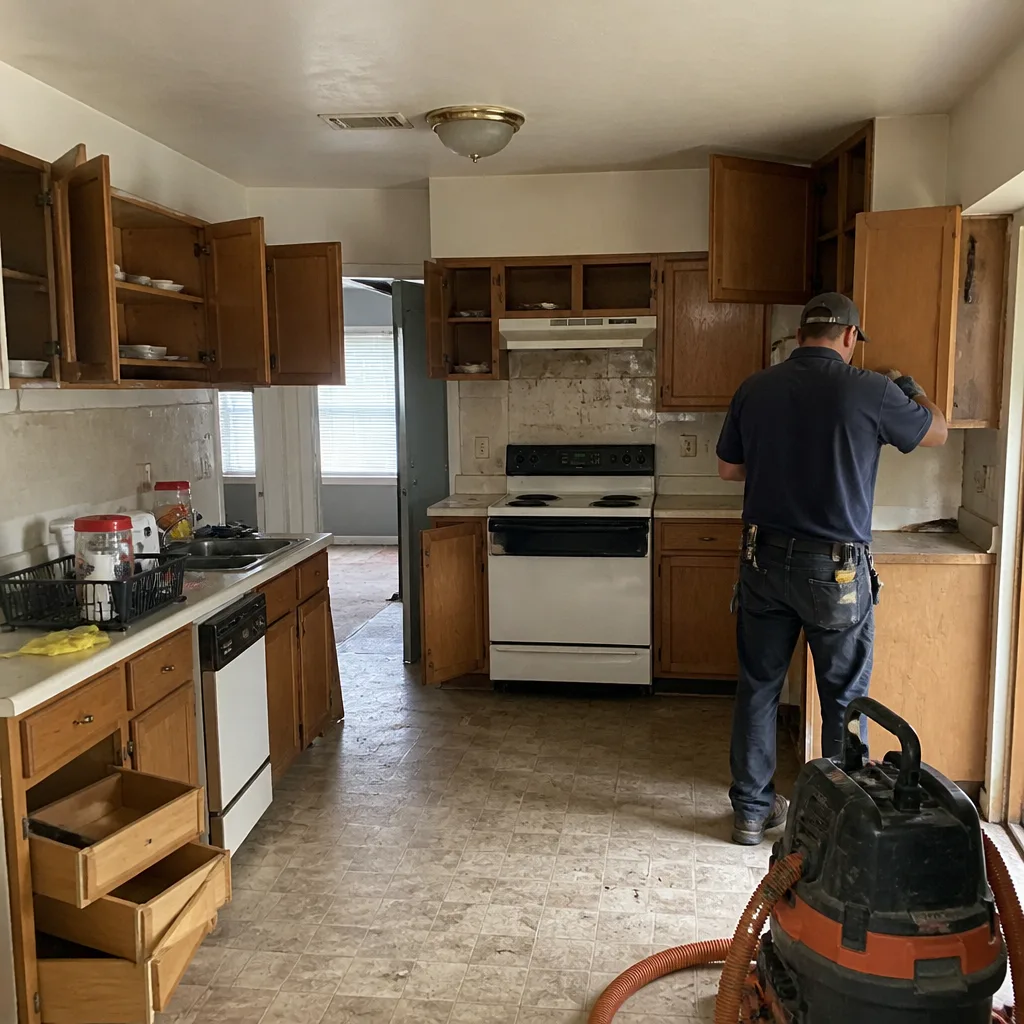 Before
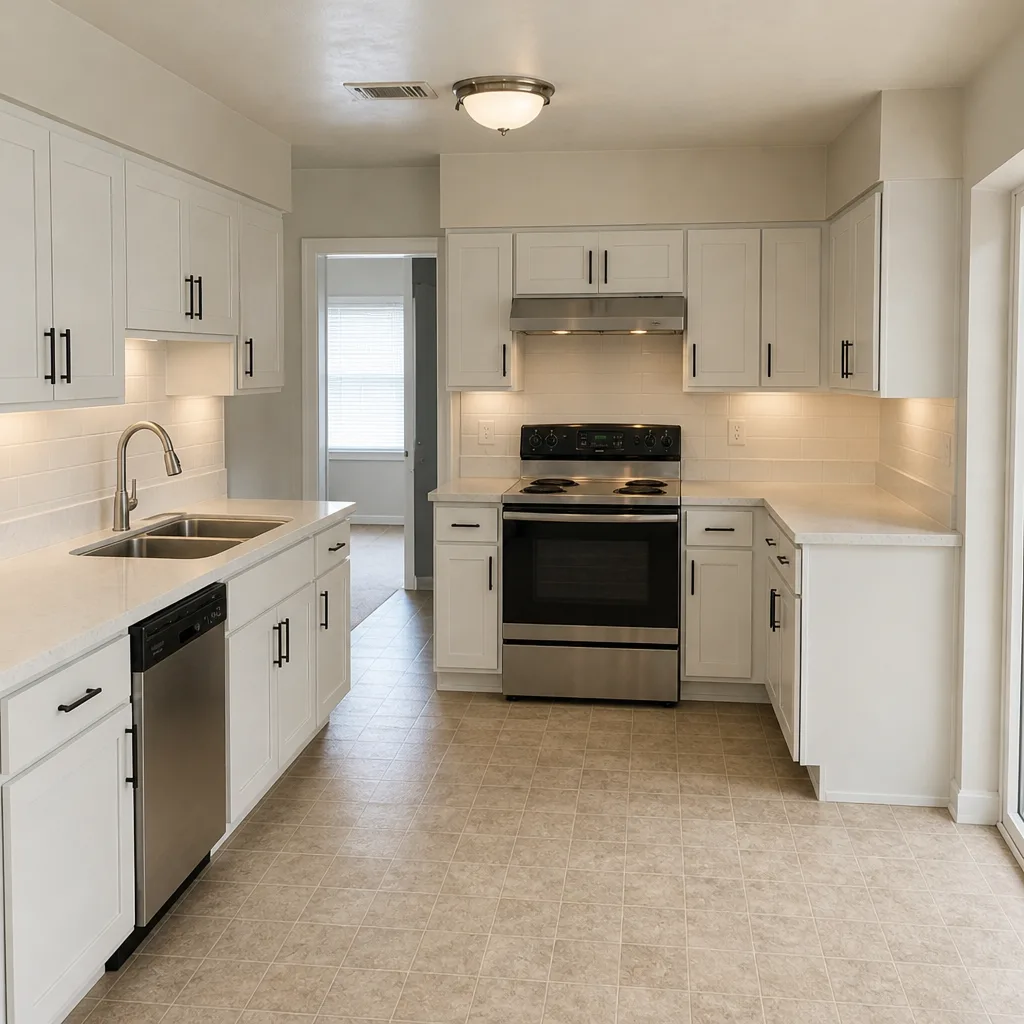 After
What Does a General Contractor Do in Garland, TX? The Answer Is Sequencing
A general contractor in Garland runs your remodel from the first measurement to the final walkthrough: pricing the job in writing, pulling the right permits, coordinating licensed trades in the correct order, managing inspections, and closing out the punch list. The trades a GC hires are the visible part. The invisible part, the sequencing that keeps a Garland renovation from stopping dead when demo finds a cracked cast-iron line, is what you’re really paying for. If you’re staring at a torn-open wall right now, call Penhallow Remodeling Garland at (844) 560-4146 for a free estimate.
Key takeaways
- A GC is a scheduler and risk manager first, a builder second. Order of operations protects your home and your budget.
- Garland’s housing stock (1950s through 1970s ranches, many on pier-and-beam) makes hidden plumbing and foundation surprises the norm, not the exception.
- Written change orders and lien waiver management are the two pieces homeowners who self-manage subs almost always get wrong.
- Our technicians have up to 22 years of experience with North Texas remodeling conditions.

The Five Phases of a GC’s Job, and What Each One Looks Like in Garland
Most explainers stop at “coordinates subcontractors.” That’s the summary, not the work. Here’s how the five phases actually play out in a Garland home.
- Estimating. A real estimate accounts for what’s behind the wall before demo. In a 1960s Garland ranch, that means budgeting a contingency for the plumbing you can’t see. Our written price before work starts means the number on day one is the number on the invoice, and anything found after demo goes through a documented change order, not a surprise at the end.
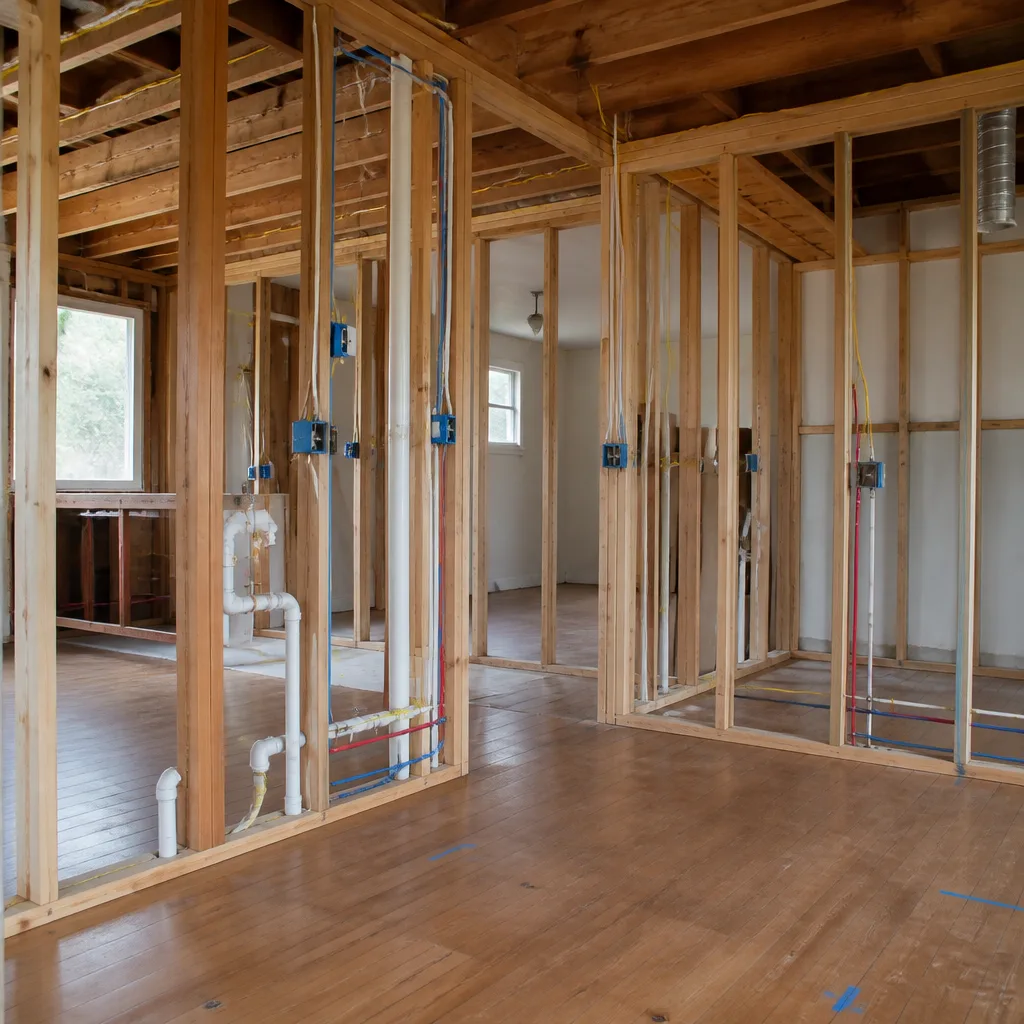
- Permitting. Plumbing, electrical, and structural work generally runs through Garland Building Inspections, and permit review takes time. A GC who files for a plumbing permit before demo can overlap the review with the teardown. One who files after demo sits idle while the clock runs.
- Trade coordination. The plumber has to rough in before the drywall goes up. The electrician has to run circuits before the insulation goes in. Get that order wrong and you’re reopening finished walls.
- Inspection management. Rough-in inspections have to pass before walls close. A GC knows what the inspector expects and gets it right the first time, which is the difference between a one-week delay and a three-week one.
- Punch-list closeout. The final list of small fixes, plus the lien waivers from every trade, all before you hand over the final payment.
Sequencing: The Part of the Job You Can’t See on a Bid
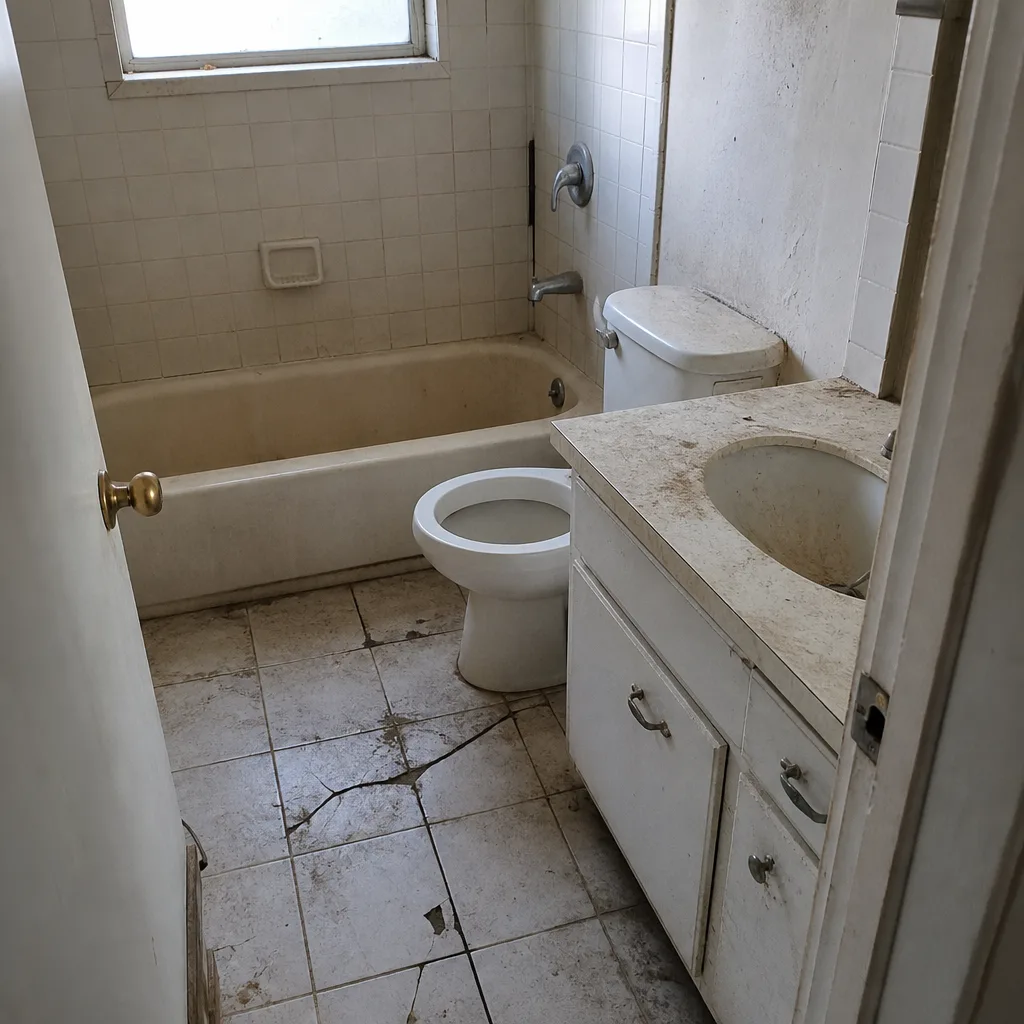
Here’s the scenario we hear about most in Garland. A homeowner plans a small bath remodel. Demo opens the floor and the original cast-iron drain line is cracked and root-intruded. This is routine in older Garland neighborhoods near downtown, where those lines have been in the ground since the 1950s and 60s. What happens next depends entirely on the GC.
A GC who pulled the plumbing permit during the planning stage can call the plumber straight to the job and keep the schedule moving. The permit is already in process. The plumber already knows the scope. The change order is written the same day, so the homeowner sees the price before the plumber touches a wrench.
A GC who waited on the permit, or who never wrote one, leaves the homeowner looking at an open floor, an unpermitted repair, and a two-week wait for the plumbing permit and inspection. The house stays torn open. That delay is a sequencing failure, and it’s the most expensive mistake in a Garland renovation.
Foundation-adjacent work carries the same risk. Garland sits on expansive Blackland Prairie clay that swells when it’s wet and shrinks in the summer dry season. We routinely find pier-and-beam sills that have sagged or shifted. That finding changes the order of work: the floor and foundation correction has to happen before finish carpenters or tile setters start. A GC who lets the finish work go ahead anyway ends up tearing it out later. A written price, a real arrival window, and the 365-Day Done Right Promise cover our side of that problem. If foundation movement cracks a tile job inside the guarantee period, we come back and make it right at no charge, and that’s on the paper we hand you before work starts.
What Happens When Something Goes Wrong Mid-Project?
Something usually does. In Garland, it’s most often a cracked drain line, a failed cast-iron joint, a sagging sill, or an aging electrical branch that can’t carry a modern kitchen. The GC’s job is the same every time.
- Stop the affected trade and document the problem. Photos, measurements, a written description of what was found.
- Call the right trade for the fix. A structural issue goes to a foundation specialist. A plumbing issue goes to the licensed plumber. A GC who lets the tile crew keep working around a structural problem is creating a warranty claim, not solving one.
- Write a change order. A change order is a short written document that states the new work, the new price, and the new schedule date. The homeowner signs it before anyone touches the problem.
- Update the inspection calendar. A rough-in inspection has to be re-scheduled. A GC who plans this in advance keeps the project on the shortest realistic timeline.
Here’s the difference from the verbal version, the “while we’re in there” conversation. A verbal OK has no price, no scope, and no date. When the invoice arrives, the homeowner is arguing about a number they never saw written down. Written change orders close that gap before it opens.
The 24/7 Phone Line Is a Working GC Tool, Not a Marketing Line
When a Garland inspector finds a failed rough-in and wants a callback the same day, a live phone line keeps the schedule moving. A voicemail maze does not. The callback window isn’t a customer service nicety. It’s the difference between a re-inspection tomorrow and a re-inspection next week.
That’s why a person answers at Penhallow Remodeling Garland around the clock. A real person, not an answering service. When a trade needs an approval at 6 p.m. or a homeowner needs an update before a morning inspection, someone picks up.
We also handle the lien waiver process in writing. Texas lien law means a subcontractor or supplier who hasn’t been paid can file a lien against your home, even if you paid the GC. On every project, we collect written lien waivers from each trade as they’re paid, and we hand you the file alongside your final invoice. Homeowners who self-manage subs almost never get this piece right, because you need the trades’ cooperation and a paper trail the title company will accept. It’s one of the three things a GC does that’s genuinely hard to replicate solo: trade relationships, inspection scheduling knowledge, and lien waiver management.
What a Garland Remodel Actually Costs
Pricing is where the GC’s role turns concrete. Here are the ranges we work with for Garland, and what drives the number up or down.
| Project | Typical range | What drives the number |
|---|---|---|
| Kitchen remodel | $14,000-$45,000 | Cabinet line (KraftMaid or Wellborn), countertop (Cambria quartz carries its own lifetime warranty alongside ours), whether walls move |
| Small kitchen remodel | $9,000-$20,000 | Same footprint, reface versus replace cabinets |
| Bathroom remodel | $9,000-$28,000 | Hidden plumbing repairs, tile versus prefab, fixture choice (Kohler and Moen both hold up well in Garland’s hard water) |
| Small bathroom remodel | $5,000-$12,000 | Drain condition, whether the shower valve moves |
| Home addition | $45,000-$130,000 | Foundation type, roof tie-in, how much of the existing wall opens up |
Two factors push Garland projects toward the higher end. First, the housing stock. Mid-century ranches often have original cast-iron or galvanized plumbing that needs replacing once you open the wall. Second, the clay. Any addition or room opening has to account for movement in the Blackland Prairie soil, especially in a pier-and-beam home.
We put the actual number in writing before work starts, based on the layout, cabinet line, and material selection for your specific job. Not a range, not a ballpark. A written number you can hold us to. Products come from brands we trust enough to put our name behind, whether that’s a Blanco sink or a Delta faucet, so the guarantee sits on top of solid materials.
You can learn more about how we think about remodels on our home page.
FAQs
Three things: trade relationships, inspection scheduling knowledge, and lien waiver management under Texas lien law. A homeowner managing their own subcontractors can usually find someone to do the work. What’s harder is getting the right trade to the job in the right order, knowing exactly what a Garland Building Inspections reviewer wants to see, and collecting written lien waivers from every trade so no one can file a lien against your home after you’ve paid. Call (844) 560-4146 for a free estimate, and we’ll walk through which of those three matters most for your project.
A bathroom typically takes three to five weeks, and a kitchen seven to ten weeks, but sequencing and permitting decisions move that number more than crew speed does. A Garland plumbing permit can add a week if the GC files it after demo instead of before, and a hidden cast-iron repair adds another one to two weeks depending on inspection scheduling. Our written price includes the schedule, and our free return visit covers any repair that fails inside the 365-Day Done Right Promise. Call for a free estimate with real dates.
Yes, most kitchen and bath remodels that touch plumbing, electrical, or structural work do need a permit through Garland Building Inspections, and additions nearly always do. A GC who tells you “we don’t need one for this” is usually trying to skip the inspection, which becomes your problem at resale. We pull the right permits and manage the inspections as part of the job. Call (844) 560-4146 with your project details and we’ll tell you exactly what’s required before you commit to a bid.
You get a written change order before the plumber touches anything. We stop the affected trade, document the problem with photos and measurements, call the licensed plumber, and put the new scope, the new price, and the new schedule date in writing for you to sign. That’s the difference between a documented change order and a verbal “while we’re in there” conversation that turns into a surprise invoice. Call (844) 560-4146 to talk through your remodel.
If you’d rather have it looked at, Penhallow Remodeling Garland offers a no-pressure assessment in Garland. We’ll give you a written price, a real arrival window, and the 365-Day Done Right Promise in writing before anything starts. Call (844) 560-4146 for a free estimate.
Written by the team at Penhallow Remodeling Garland, serving Garland, TX.