Last updated November 18, 2026








Free written scope consultation - allowances, timeline, and change-order rules on paper before a single trade is scheduled
Construction Emergency Preparedness Guide for Garland Homes
During Winter Storm Uri, Garland contractors were booked six weeks out within 48 hours. Homeowners who had no prior contractor relationship and no documented record of their home’s condition waited months for repairs, often watching temporary fixes fail while they waited. The lesson from that week is uncomfortable but simple: the time to prepare for a construction emergency is before one arrives. In this guide, we’ll walk through the specific emergencies Garland homes face, how to build a baseline record of your property, how to triage decisions in the first 48 hours, and how to spot the fraud that follows every storm through North Texas. You’ll finish with a plan you can act on, not just a list of warnings.
Quick Answer
Construction emergency preparedness in Garland means documenting your home’s baseline condition before anything fails, knowing which emergencies require an immediate contractor call versus which can wait for a scheduled quote, and understanding how to verify a contractor is legitimate before you sign anything. Garland’s two dominant risks are winter ice and burst pipes, and drought-driven foundation movement that jams doors and cracks walls. A written plan, a photo record, and one trusted contractor relationship cover most of what goes wrong.
Styles & brands we work with
- Kitchen remodeling
- Bathroom remodeling
- Home additions & ADU
- Roofing
- Windows & doors
- Driveway & pavers
- Fence
Table of Contents
- How do you build a home baseline document?
- What construction emergencies are most common in Garland?
- How do you triage a construction emergency in the first 48 hours?
- Why does Garland’s soil cause foundation problems?
- How do you avoid post-disaster contractor fraud in Garland?
- What does a legitimate contractor’s emergency process look like?
- How do you document damage for an insurance claim?
- What belongs in a written emergency plan?
How do you build a home baseline document?
A home baseline document is a dated record of your home’s condition, materials, and measurements, captured before any damage occurs. It’s the single most useful thing you can create, and almost nobody in Garland has one. When a pipe bursts or hail takes out a roof, the baseline is what separates a fast, well-scoped claim from a long argument with an adjuster about what was already cracked, stained, or worn.
Here’s how to build one in a single afternoon:
- Photograph every room, wall, and ceiling. Wide shots first, then close-ups of anything that could later be mistaken for damage: a hairline crack above a doorway, a water stain in the garage, a soft spot in a closet ceiling. Date-stamp everything.
- Record the major systems and materials. Note the age and brand of your roof shingles (many Garland homes carry IKO, Atlas, or Tamko products), your water heater, HVAC, and the material and color of your siding and flooring. These details let a contractor match replacement materials instead of guessing.
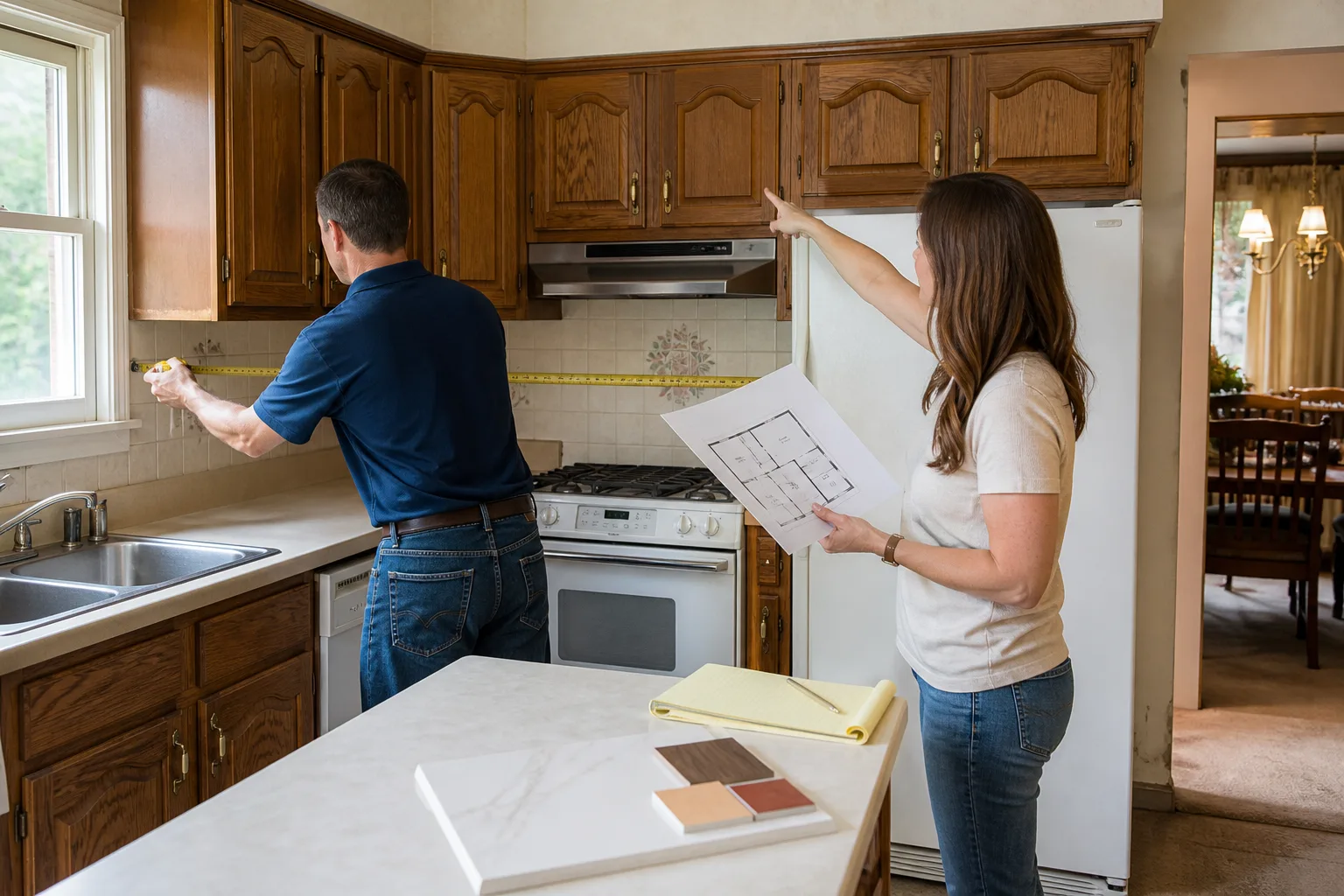
- Measure the rooms you’d most likely repair. Record square footage, ceiling heights, and cabinet and countertop dimensions in the kitchen and bathrooms. If a supply line fails and floods a bathroom, that record lets a contractor scope the rebuild without a second visit.
- Store two copies. One in the cloud, one on a thumb drive in a fire safe. Photographs on a phone that gets water-damaged are worth nothing.
- Review it every spring. Add new appliances, note any remodel, and re-shoot the roof after a hail season.
We’ve seen this document shave days off a claims process. An adjuster who can compare a pre-storm photo to a post-storm photo stops asking questions and starts writing the scope. If you’re planning a remodel anyway, our Penhallow Remodeling Garland home page explains how a documented project record supports future claims.
What construction emergencies are most common in Garland?
Not every emergency is equal. Ranking the risks by frequency and severity helps you decide where to spend your preparation time. Here’s how we’d rank the four most common construction emergencies in Garland, based on how often we see them and how much damage they cause when they hit.
- 1. Burst or failed pipe (most frequent, moderate severity). Garland’s occasional hard freezes, like the deep cold of Winter Storm Uri, burst supply lines in attics and exterior walls. Water finds drywall, insulation, and cabinetry fast. A 20-minute delay can turn a $600 plumbing repair into a $9,000 rebuild.
- 2. Hail damage to roof and siding (very frequent, variable severity). North Texas hail seasons are punishing. Granule loss, bruised shingles, and dents in aluminum gutters and Boral or vinyl siding are the first clues. Undetected hail damage leads to leaks months later.
- 3. Foundation cracks after drought (slow-moving, high severity). Garland’s expansive clay soil swells when wet and shrinks when dry. After a long summer, doors stick, sheetrock cracks, and plumbing under slabs can shear. This is the most expensive problem on the list and the one homeowners wait on longest.
- 4. Storm-related structural damage (less frequent, severe). Straight-line winds and tornadoes take down fences, peel back roofing, and occasionally stress load-bearing walls. Structural damage should always be evaluated by a professional before you re-enter or use the affected space.
Pipe bursts and roof damage come on suddenly; foundation movement develops over a season. That difference matters when you decide what to prepare for. If you’re planning repairs, our General Contractor in Garland page explains how a scope of work gets built for each type.
How do you triage a construction emergency in the first 48 hours?
Triage is the discipline of separating what you must handle yourself, what needs a contractor immediately, and what can wait for a normal quote. Getting this ordering right prevents both expensive panic spending and dangerous procrastination. Here’s the framework.
Stabilize yourself: the first hour
- Shut off water at the main valve if a pipe has burst. Know where that valve is before you need it.
- Cut power at the breaker to any flooded area. Do not touch standing water near outlets or appliances.
- Move valuables and important documents out of the affected zone. Photograph everything before you move it.
- Never enter a space with a sagging ceiling or a wall you can see bowing. That’s structural, and it can fail without warning.
Call a contractor immediately
- Active water intrusion or a flooded room that’s still wet.
- A roof breach or missing shingles exposing the deck.
- Any structural concern: a bowing wall, a cracked load-bearing beam, a cracked foundation slab you can see daylight through.
- Gas smells. Leave, call your utility, and do not treat this as a construction matter.
Can wait for a normal quote
- Cosmetic cracks in drywall that aren’t growing.
- A stuck door or window that isn’t a safety hazard.
- Hail dents in gutters with no leak.
- Any repair where the damage is stable and dry.
This is where our Bathroom Remodeling in Garland team sees a lot of avoidable work: a slow leak behind a shower wall that was “stable” for a year and eventually rotted the framing. When in doubt, get it looked at.
Why does Garland’s soil cause foundation problems?
Garland sits on expansive clay soils that expand dramatically when wet and shrink when dry. A North Texas summer with little rain can shrink that clay enough to drop a foundation several inches at the perimeter, and the resulting differential movement is what cracks walls and jams doors. This is the quiet emergency: it doesn’t announce itself like a burst pipe, but over a drought season it can do more structural damage than a hailstorm.
Signs that the foundation has moved:
- Doors and windows that suddenly stick or won’t latch.
- Diagonal cracks at the corners of door and window frames.
- Horizontal cracks in brick veneer (these usually point to foundation movement, not settling).
- Sloping or bouncy floors.
- Gaps where an exterior wall meets the slab.
- Plumbing leaks that keep returning under the slab.
The remedy for drought movement isn’t always a foundation repair; often it’s a watering regimen at the perimeter during dry spells combined with an inspection. But if you see three or more of the signs above in one season, get a professional evaluation before you remodel. Cracking drywall over a moving foundation is wasted money. Our Kitchen Remodeling in Garland team will always check for movement before setting cabinets or tile, because a substrate that moves will crack whatever sits on it.
How do you avoid post-disaster contractor fraud in Garland?
Every major storm in North Texas brings a wave of out-of-town crews who call themselves storm chasers. They knock on doors, offer a discount for same-day signatures, take a deposit, and disappear before the work is finished. The tactics are consistent, and so is the defense.
The tactics to recognize:
- The pressure to sign today. A legitimate contractor will still be there tomorrow. Urgency is the tell.
- The big deposit. Texas law caps residential construction deposits at 10 percent of the contract price for most projects. Anyone asking for half up front isn’t playing straight.
- The vehicle with an out-of-state plate and no local office. Ask for a physical business address and verify it.
- The insurance assignment. Some storm chasers ask you to sign over your claim rights. Never sign an assignment of benefits.
- The verbal scope. “We’ll fix the whole roof” isn’t a scope. A written line-item scope is.
What protects you: a written contract with a line-item price, a defined arrival window, a clean job site agreed in advance, and a written guarantee on the work. Those are the four commitments we make on every project under The Kingswell Way: say the price before the work, show up in the window we gave, leave the place cleaner than we found it, and back the work in writing. If a contractor won’t put those on paper, keep looking.
What does a legitimate contractor’s emergency process look like?
A real emergency response is calm and documented, not dramatic. Here’s the sequence you should expect from any legitimate contractor handling a construction emergency in Garland.
- Phone answered by a live person. Not a voicemail, not a callback window. A real person who can talk through the situation and tell you what to do first.
- A specific arrival window. Not “sometime today.” A window you can plan around.
- On-site assessment with photos. The contractor documents the damage before touching anything, in the same way you should.
- A written scope before work starts. Not a verbal ballpark. A written price you can hold them to, with the line items clear.
- Stabilization first, then repair. Emergency work stops the damage. The full repair is scoped and priced separately, so you’re not committed to the biggest job in a moment of stress.
- Documentation for your insurance carrier. Photos, a written scope, and an invoice that an adjuster can process without a follow-up call.
- A written workmanship guarantee. If the repair fails, they come back at no charge.
Our technicians have up to 22 years of experience with North Texas emergencies, and every one is background-checked and arrives in uniform. You know who’s in your home. If you’d like a free estimate in Garland, call (844) 560-4146.
How do you document damage for an insurance claim?
Documentation is the difference between a claim that moves and a claim that stalls. Insurers process claims faster when the record is complete on the first submission. Here’s the documentation that matters most:
- Date-stamped photos before cleanup. The adjuster needs to see the damage as it was, not after you’ve moved the wet furniture.
- A written inventory of damaged items. Brand, age, and replacement value where you know it.
- Your pre-emergency baseline document. This is where the photo record you built pays off. It proves which damage is new.
- Receipts for emergency stabilization. Water extraction, tarping, and temporary repairs are often reimbursable.
- A written contractor scope. Line-item pricing helps the adjuster match the scope to the loss.
Keep every receipt and every email. If your insurer and contractor disagree on scope, the documented record is what settles it. When we work with Garland homeowners on claims, we submit the same written scope we give the homeowner, so there are no surprises.
What belongs in a written emergency plan?
A written emergency plan is a one-page document that fits on your fridge. You write it once, in a calm moment, and it does the thinking for you when things go wrong. Here’s what it should contain.
- Utilities. Where the water main shutoff, gas meter, and electrical panel are, and how to shut each one off safely.
- One contractor relationship. The name and number of a local contractor you’ve used before. In Garland after a storm, contractor availability collapses within 48 hours. A prior relationship is the difference between a repair this week and a repair in two months.
- The baseline document. Where your photo record lives and how to access it from any device.
- Insurance basics. Your policy number, the deductible, and your insurer’s claims phone line.
- A triage list. The three categories above – stabilize, call now, can wait – printed so you don’t have to think under pressure.
- Your “never sign” list. The tactics in the fraud section above, as a reminder not to sign anything for 24 hours after a storm, no matter how convincing the pitch.
Review the plan every spring before hail season and again in late fall before the first freeze. Two reviews a year is enough.
Common Mistakes to Avoid
- Waiting until an emergency to find a contractor. Garland’s post-storm contractor availability disappears within 48 hours. Have a relationship in place before you need one.
- Not knowing where the main water valve is. During a burst-pipe event, seconds matter. Find the valve this week, before a freeze.
- Skipping the baseline document. Without pre-storm photos, you’ll spend weeks arguing with an adjuster about which damage is new. The record is cheap and quick; the argument is neither.
- Signing a scope of work the day of the storm. A legitimate contractor will wait 24 hours for your decision. If they won’t, they’re the wrong contractor.
- Treating foundation cracks as cosmetic. Small drywall cracks are normal; a diagonal crack at a window frame after a dry summer is not. Get an evaluation before you paint over it.
- Paying a large deposit up front. Texas caps most residential deposits at 10 percent. A contractor who wants half the job in cash on day one isn’t a safe bet.
- Skipping the written scope. A verbal “we’ll fix the roof” isn’t a scope. Get a written line-item price before any work starts. It’s the only number you can hold them to.
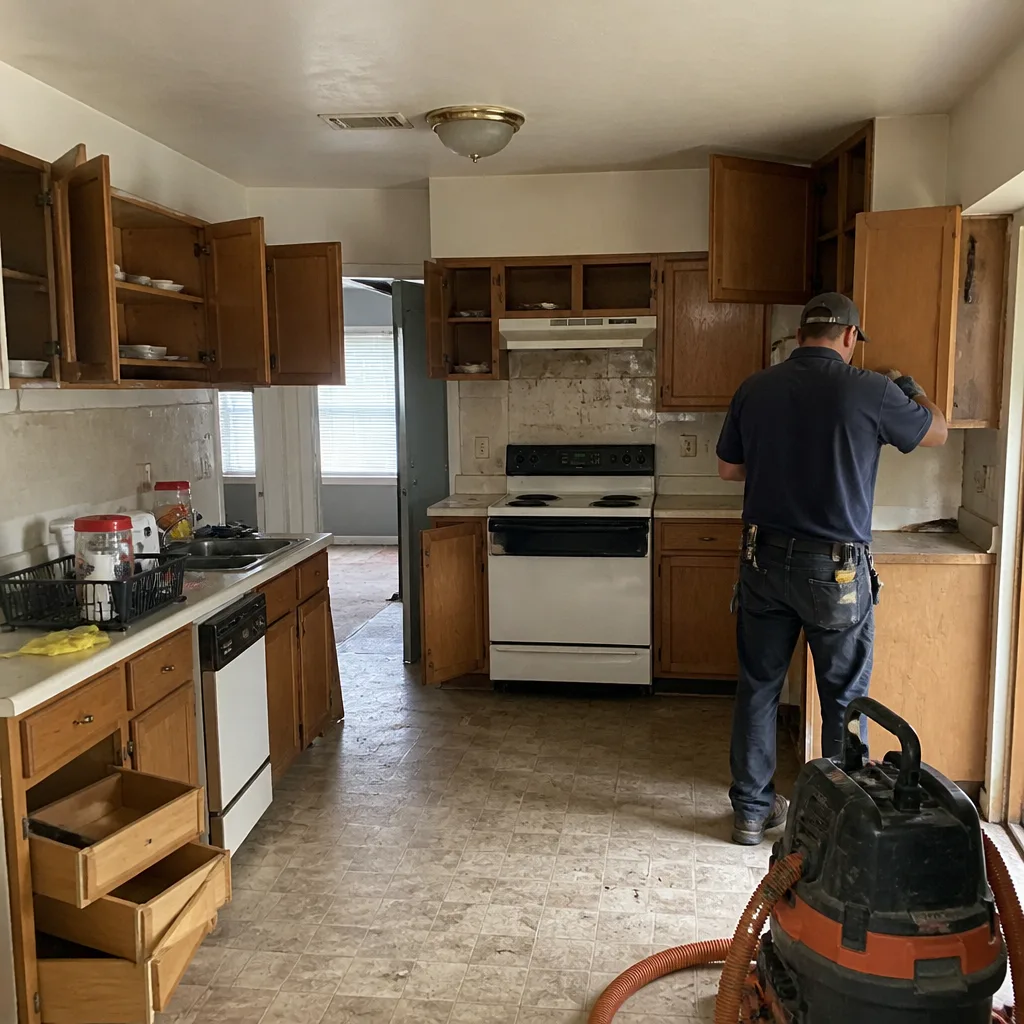
See the difference
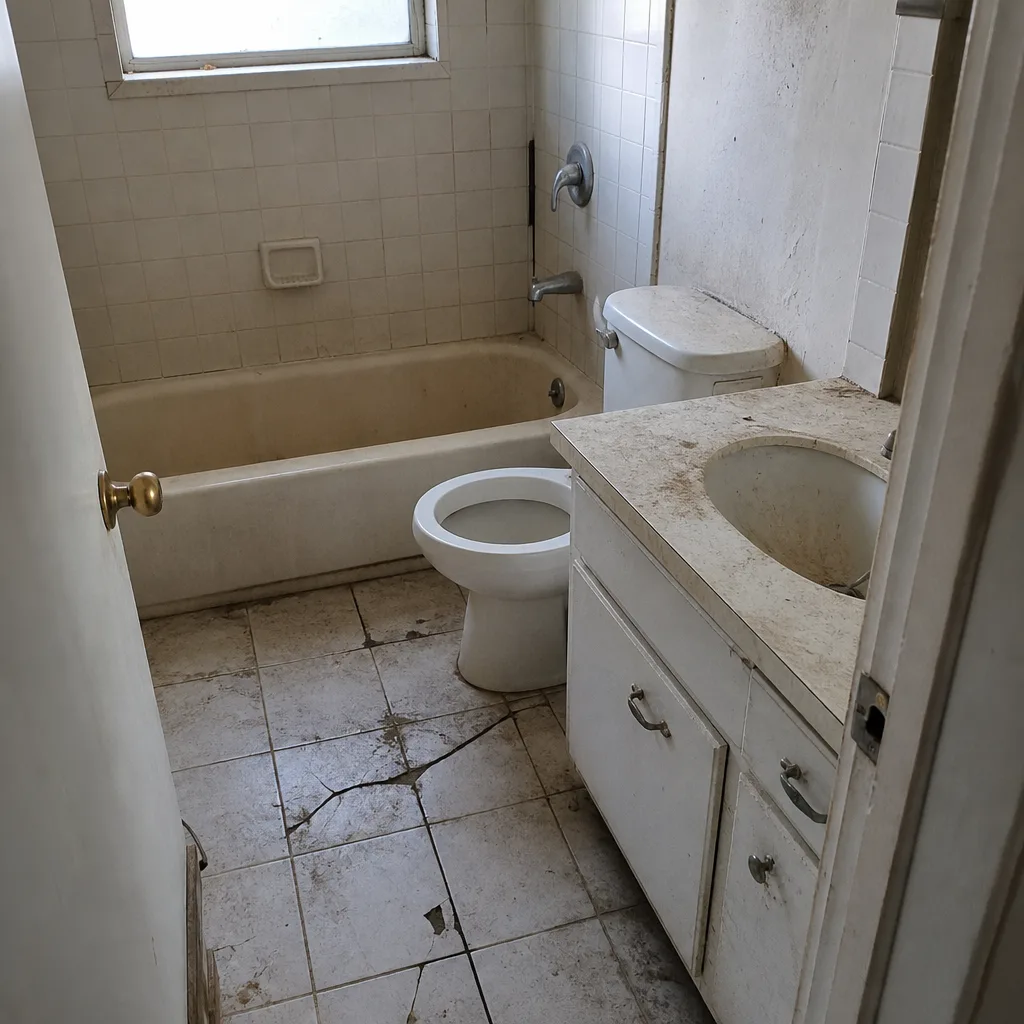 Before
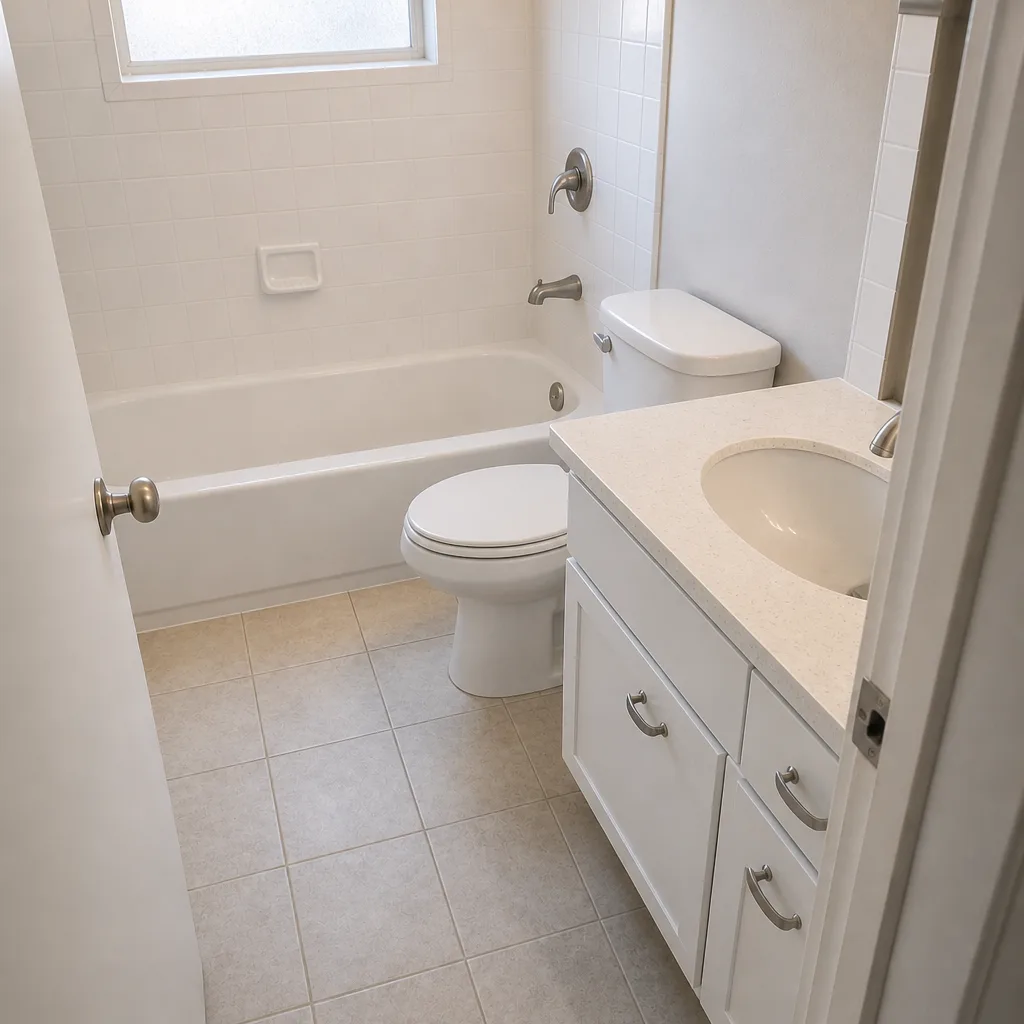 After
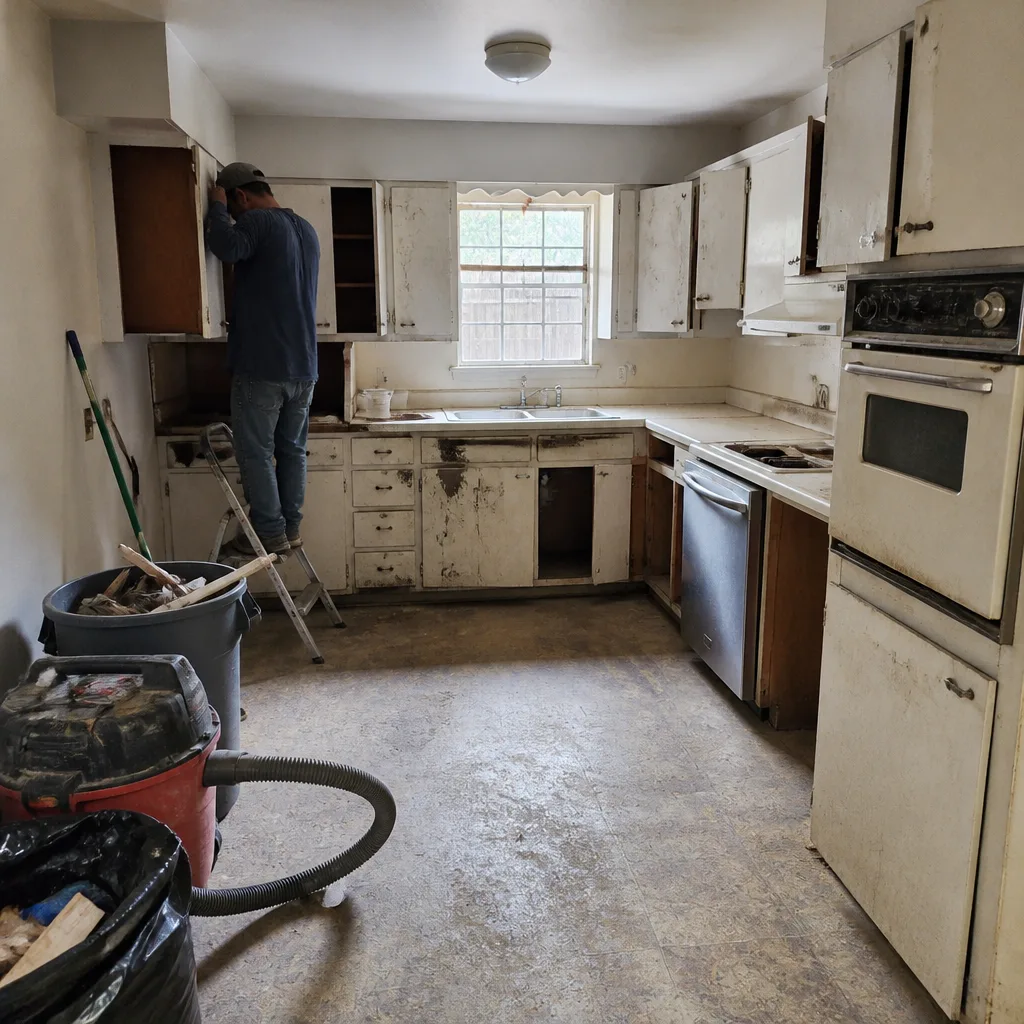 Before
 After
 Before
 After
When to Call a Professional
Some situations are safe to assess yourself; others are genuinely dangerous and shouldn’t wait. Call a professional immediately if you smell gas, see a sagging ceiling or bowing wall, have active water intrusion you can’t stop, see daylight through a crack in the foundation, or have a roof breach exposing the interior. Those are the calls where waiting a day can cost you a season of repair work. For slower concerns – a stuck door, hail-dented gutters, a hairline crack that hasn’t changed in a year – a scheduled quote is fine and usually more cost-effective than emergency pricing.
Penhallow Remodeling Garland offers free estimates in Garland. Every project gets a written price before any work starts, a defined arrival window, and our 365-Day Done Right Promise: if the work fails within a year, we come back and fix it at no charge. A live person answers the phone around the clock. Call (844) 560-4146 to schedule your free estimate.
Frequently Asked Questions
Shut off the water at the main valve and cut power to any flooded area at the breaker. Only then call a contractor and document the damage with photos before cleanup. Don’t touch standing water near outlets. Once the water is off and the power is cut, you have time to think and get a professional on-site.
Foundation repair in Garland typically runs $4,000 to $15,000 depending on the number of piers needed, the extent of the movement, and whether plumbing repairs are required under the slab. A foundation evaluation runs $300 to $700 and is the right first step before committing to a repair. Call (844) 560-4146 for an exact quote – estimates are free.
Most Texas homeowner policies cover sudden water damage from a burst pipe, but not the underlying plumbing repair itself. The damage to drywall, flooring, and cabinets is usually covered; the cost of the actual pipe is usually on you. Read your policy carefully and document everything during the emergency.
Doors that stick after a dry summer usually mean the foundation has shifted with the shrinking clay soil. Drought movement is the most common cause of sticking doors and windows in Garland. A professional evaluation will tell you whether it’s seasonal movement that will settle back or a genuine foundation problem that needs repair.
Yes. Every hail season brings out-of-town crews who take deposits and disappear. The warning signs are consistent: pressure to sign today, asking for a large deposit, no local physical address, and a verbal scope instead of a written one. A legitimate contractor will put the price in writing before any work starts and won’t push you to sign on the spot.
Stabilization work like tarping or water extraction is usually done within 24 to 48 hours of a contractor arriving. The full repair takes longer – most roofing and structural repairs run one to three weeks once the scope is agreed and materials are in hand. Material lead times stretch after a major storm, so a contractor with existing trade relationships will get you back to normal faster than one scrambling for supply.
The Bottom Line
The homes that come through a Garland construction emergency best are the ones that were prepared before it hit. Three things make the difference: a photo and material baseline document captured in a calm afternoon, a prior relationship with a legitimate contractor who puts the price and the guarantee in writing before work starts, and a written plan pinning down the triage order and the fraud warning signs. Winter ice, hail, and drought-driven foundation movement are the risks to plan for, in roughly that order. None of it takes more than an afternoon; all of it pays off when you need it.
Written by the team at Penhallow Remodeling Garland.