
Last updated November 18, 2026







Free written scope consultation - allowances, timeline, and change-order rules on paper before a single trade is scheduled
Seasonal Construction Care for Garland: Year-Round Homeowner’s Guide
Garland recorded 46 days above 100°F in a recent summer. That’s not a footnote, it’s a warning. Sustained heat at that level cracks caulk lines, buckles composite decking, and works foundation bolts loose in ways that stay invisible until the first cold snap. Most home maintenance guides assume four gentle seasons. Garland doesn’t work that way. Our climate runs a two-season stress pattern: extreme heat expansion from May through September, then fast, hard freeze-thaw events in winter. This guide shows you how to plan around that reality so you spend less on contractor repairs and more on the improvements you actually want. If you’d rather have a pro walk the house with you, our General Contractor in Garland team does exactly that.
Quick Answer
The best seasonal care plan for a Garland home runs on two clocks: a pre-summer checklist in April and May (before temps regularly exceed 95°F), and a fall prep window in October and November (before the first freeze). Spring and fall are your inspection seasons; summer and winter are when problems show up. Homeowners who front-load maintenance in those two windows spend significantly less on emergency contractor calls in January and February.
Styles & brands we work with
- Kitchen remodeling
- Bathroom remodeling
- Home additions & ADU
- Roofing
- Windows & doors
- Driveway & pavers
- Fence
Table of Contents
- Why Garland’s Climate Doesn’t Follow the Four-Season Model
- The Pre-Summer Construction Checklist for Garland
- How North Texas Freezes Damage Homes Differently
- Spring Soil Movement in Garland’s Clay
- Fall: The High-Value Prep Window
- Building a Seasonal Home Condition Log
- Common Mistakes to Avoid
- When to Call a Professional
- Frequently Asked Questions
Why Garland’s Climate Doesn’t Follow the Four-Season Model
Most national home maintenance calendars were written for places with gradual springs and long, mild autumns. Garland gets neither. What we get is a sharp climb into summer heat that arrives fast and stays, followed by a winter where the thermometer can drop 40 degrees in 24 hours and land right back above freezing two days later.
That pattern matters because construction materials behave differently under rapid temperature swings than under gradual cooling. Wood expands and contracts. Caulk stretches and fatigues. Clay soil swells and shrinks. When the swing is fast, the stress is high. In our experience walking homes across Garland, that’s where the expensive failures cluster.
Here’s what the two-season pattern looks like in practice:
- Summer stress (May – September): Heat expansion pushes siding panels, opens joints, softens asphalt, and dries clay soil to the point of cracking. Composite decking can start to buckle if it wasn’t installed with proper gapping.
- Winter stress (December – February): Rapid freeze-thaw cycles break sealed joints, stress plumbing in unconditioned spaces, and move foundation soil under driveways, patios, and door frames.
- What’s left: Spring and fall, when the ground is swelling or settling but the air is forgiving, are when you can actually inspect, seal, and repair without fighting the climate.
Neighborhoods like Heights and Oak Cliff sit on some of the most active clay in North Texas, and this pattern hits those homes hardest. East Garland and Firewheel see more heat exposure on west-facing walls because of how the lots are laid out. The practical response is the same everywhere: work in the two inspection windows, not the two stress seasons.
If seasonal care eventually turns into a bigger project, our Penhallow Remodeling Garland home page walks through what we handle. For now, learn the two windows. Everything else follows.
The Pre-Summer Construction Checklist for Garland
The first window is April through mid-May. After that, temperatures regularly push past 95°F, and you’ll want all the flexible, sealant-dependent work done before the heat sets it. Here’s the order we recommend, from the outside in:
- Walk the exterior and check every caulk line. Caulk at window frames, door surrounds, and siding corners is your first line against water intrusion. If you can push a fingernail into it and it stays dented, it’s aged out. Reseal before the heat bakes it into a permanent crack.
- Inspect the roof flashing around vents and chimneys. North Texas sun is brutal on mastic and sealant. Flashing that failed over winter will leak with the first big spring storm. Tamko shingle systems and Boral stone-coated steel both handle the heat well, but the flashing around them is what fails first.
- Check your gas and electrical penetrations. Those holes in exterior walls (gas meters, dryer vents, hose bibs) are common leak points. If you see daylight or feel airflow, seal it. For the electrical panel itself, call a licensed electrician, not a handyman. Same for gas lines. That’s not a weekend job.
- Look at composite decking for tight joints. If the boards are touching, they’ll buckle when they expand in July. Ideally, boards should have a small gap to allow for that movement.
- Shade west-facing walls and HVAC equipment. West walls in Garland take the full afternoon sun. A shade can cut surface temperatures significantly and reduces heat-driven expansion stress.
- Inspect the driveway and patio joints. If you see a joint that’s opened, fill it in April, not August. When clay dries in summer, those cracks open wider.
One thing this checklist doesn’t cover: your roof. Getting on a roof is genuinely dangerous, and we won’t walk you through it. If you suspect flashing or shingle issues, get a professional inspection. That’s not a sales pitch, it’s just the honest answer.
How North Texas Freezes Damage Homes Differently
A North Texas freeze is not a slow northern winter. It’s typically a fast, hard event: temps plunge below freezing for a couple of days, then snap back above it. That pattern causes a different kind of damage than gradual cold. Here’s how:
- Plumbing in unconditioned spaces fails fast. Pipes in exterior walls and attics don’t have time to slowly cool; they freeze solid overnight. Attic plumbing, attic tankless water heaters, and hose bibs are the highest-risk spots in Garland homes.
- Roofing and flashing take a double hit. Freeze-thaw wicks moisture into small cracks in sealant, then expands them. A hairline crack in November can be an active leak by February. PGT windows and quality flashing systems help, but they need inspection before the first hard freeze.
- Exterior construction gets stress-fractured. Siding joints, window frames, and door surrounds take the freeze-thaw cycle differently than gradual cooling. Watch for doors that suddenly stick or won’t latch after a freeze event; that’s usually a frame movement indicator.
The prep for this looks counterintuitive: the most valuable freeze protection happens in October, not December. Insulate exposed pipes in the attic, verify hose bib covers are in place, and know where your main water shutoff is. That’s a 30-minute job in October that prevents a five-figure repair in January.
If a freeze event does cause damage, that’s a case where a professional assessment is worth it. But most of what we see isn’t the freeze itself; it’s the deferred prep from the fall before.
Spring Soil Movement in Garland’s Clay
Garland sits on expansive clay soil, which swells when wet and shrinks when dry. After a wet winter, that clay is at its most expanded in early spring. As it dries through late spring and into summer, it contracts. That movement is normal, but it’s the reason foundation-adjacent construction deserves an inspection every spring, not just once a decade.
Here’s what to check each April, in order:
- Driveway and patio slabs: Look for new cracks or widening of existing joints. If a slab has visibly lifted or dropped at a joint, that’s clay movement, and it’s worth documenting.
- Door frames: Open and close every exterior door. If one sticks, drags, or won’t latch, that’s often the first visible sign of soil movement under the foundation.
- Foundation perimeter: Walk the foundation edge (safe to do on foot) and look for new cracks in brickwork or stucco. Small cracks under 1/8 inch are common; wider or stair-step cracks warrant a professional look.
- Fence and outbuilding posts: Clay movement shifts posts. If your fence has gone out of plumb or gate hinges have shifted, that’s information.
The most useful thing you can do isn’t fix anything, it’s document. Note the date, take a photo, and record the location. That record becomes valuable if you ever need to file an insurance claim or get quotes from contractors.
Which brings us to the fall, where the highest-value work happens.
Fall: The High-Value Prep Window
If you only do one seasonal round of maintenance on a Garland home, do the fall one. October and November give you mild temperatures, dry working conditions, and enough lead time before the first freeze. Here’s the priority order:
- Insulate and protect attic plumbing. This is the single highest-value fall task. Wrap exposed pipes and insulation in the attic, particularly anything on an exterior wall.
- Re-seal exterior joints before freeze-thaw. Caulk that survived summer is tired by October. Reseal window and door frames so freeze-thaw has nothing to attack.
- Inspect the roof and flashing (professionally). A hairline crack sealed in October is a roofer visit. The same crack in January is often a ceiling repair plus a roofer visit.
- Check hose bibs and exterior faucets. Remove hoses, install covers, and know where your main shutoff valve is.
- Clean gutters and check downspout drainage. Water that pools near the foundation in the fall is water that swells clay and stresses foundation-adjacent slabs. Direct downspouts at least 4 – 6 feet from the house.
- Drain and store garden hoses and irrigation lines. Trapped water in an irrigation system is one of the most common sources of winter pipe damage in Garland.
The math here is simple. A fall afternoon of prep is much cheaper than a week of repair in January. That’s the whole argument for front-loading the work.
When fall prep turns into a bigger project, like exterior siding replacement or a full remodel, our Kitchen Remodeling in Garland and Bathroom Remodeling in Garland teams can talk through timing. There’s no wrong season to plan, but there is a right season to schedule exterior work.
Building a Seasonal Home Condition Log
The most underrated maintenance tool for a Garland homeowner isn’t a caulk gun, it’s a log. A simple written record of your home’s condition before and after each season does three things: it supports insurance claims, it keeps your warranty documentation honest, and it makes future contractor quotes more accurate because you’re not relying on memory.
Here’s how to build one in ten minutes:
- Pick a format. A bound notebook, a notes app, or a printed sheet on the fridge. Whatever you’ll actually use.
- Record four columns per entry: Date, location (e.g., “north side caulk line at kitchen window”), observation (photo reference), and action taken or deferred.
- Photograph every issue you document. Wide shot to show context, close-up to show the defect.
- Log the work too. When you reseal or repair, note it. That record shows your maintenance diligence, which matters for warranty claims.
- Do it at the same time each year. Spring and fall entries, back to back, become a legitimate home health record.
If you’re having professional work done, note the product brand and install date. A Cambria quartz countertop carries its own lifetime warranty, and so does a James Hardie siding install; knowing your install date protects you if a claim ever comes up.
For a broader look at what to log, the seasonal checklists on this page give you a starting structure.
Common Mistakes to Avoid
- Treating the freeze season as the prep season. By mid-December, it’s too late to insulate exposed attic plumbing. The prep window is October and November. If you wait until the forecast shows a freeze, you’re already behind.
- Skipping the spring caulk inspection because “it looked fine in November.” Caulk that survived one winter usually doesn’t survive a second. Spring is when you check what the winter did.
- Assuming four seasons apply. A four-season maintenance calendar written for climate zones that get gentle springs and long autumns misses Garland’s actual stress windows by weeks. The pre-summer checklist runs in April and May in Garland, not in “early summer.”
- Ignoring door frames that suddenly stick. A door that sticks after a freeze event is information about soil movement under the foundation. Note it and get a professional look if it persists.
- Not photographing before-and-after condition. When a contractor asks “what did it look like before?”, a dated photo is worth more than your memory.
- Sealing cracks in summer. Heat makes sealant set before it can tool, and dries the clay so cracks open wider. Seal in spring or fall, not July.
- Treating composite decking like wood. Composite decking requires specific gapping for heat expansion. If it was installed tight, spring is the time to inspect and address it before the July heat buckles it.
When to Call a Professional
Most seasonal care is a homeowner task: caulking, hosing off the AC unit, installing hose bib covers, noting door frame movement. A few things genuinely need a professional. Roof and flashing inspection is one, because getting on a roof to diagnose a hairline crack is a real injury risk, not a “use caution” situation. Electrical panel and gas line penetrations are another: those need a licensed trade, not a general handyman.
The third category is where repair work shades into remodeling. Foundation-adjacent construction that has clearly shifted, siding that’s beyond resealing, a bathroom or kitchen that needs a full tear-down after a leak; those deserve an estimate, not a patch. Penhallow Remodeling Garland offers free estimates in Garland – call (844) 560-4146 to schedule. Our written price before work starts means the number on day one is the number on the invoice, and our 365-Day Done Right Promise in writing means a repair that fails inside the guarantee period gets fixed at no charge.
Frequently Asked Questions
Fall attic plumbing insulation is the single highest-value task. A fast North Texas freeze can burst exposed pipes in one night. Insulating in October costs a few hours; repairing water damage in January costs thousands.
Professionally, once a year in fall, and after any major hail storm. Visually from the ground, spring and fall. Actually getting on the roof to inspect it is not a homeowner task; hail damage and flashing failures are hard to spot safely.
Yes, but the damage is different from northern winters. It’s not gradual; it’s a fast, hard freeze that catches plumbing and sealant mid-cycle. April and October prep reduces the damage dramatically.
Homeowner-performed tasks cost only materials ($50 – $150 per season in caulk, insulation, and hose bib covers). A professional roof inspection typically runs a few hundred dollars. A fall attic insulation and plumbing wrap from a contractor usually runs $400 – $900, depending on attic size and how much piping is exposed.
April – May: pre-summer checklist. Fall (October – November): full prep, roof inspection, insulation, caulk, hose bibs. Annual: log entries in both seasons. That’s it. Everything else is reactive.
Document it each spring. Watch for doors that stick, cracks in the brick and stucco over 1/8 inch, and slab movement at driveways and patios. If you see it, get a professional assessment; don’t try to diagnose it yourself from a yard walk.
The Bottom Line

Garland’s climate doesn’t fit the four-season home maintenance model; it runs a two-season stress pattern of extreme summer expansion and hard winter freeze-thaw. The fix is simple and inexpensive: work in the two inspection windows, April – May and October – November, when the climate is forgiving and the work can actually be done right. Handle the homeowner tasks yourself, get a professional for the roof and any electrical or gas work, and log everything you observe. That documented record, kept up each season, is what keeps small problems from becoming five-figure calls in January. Penhallow Remodeling Garland is here when seasonal care turns into a real project – call (844) 560-4146 for a free estimate, and we’ll walk the property with you.
Written by the team at Penhallow Remodeling Garland.
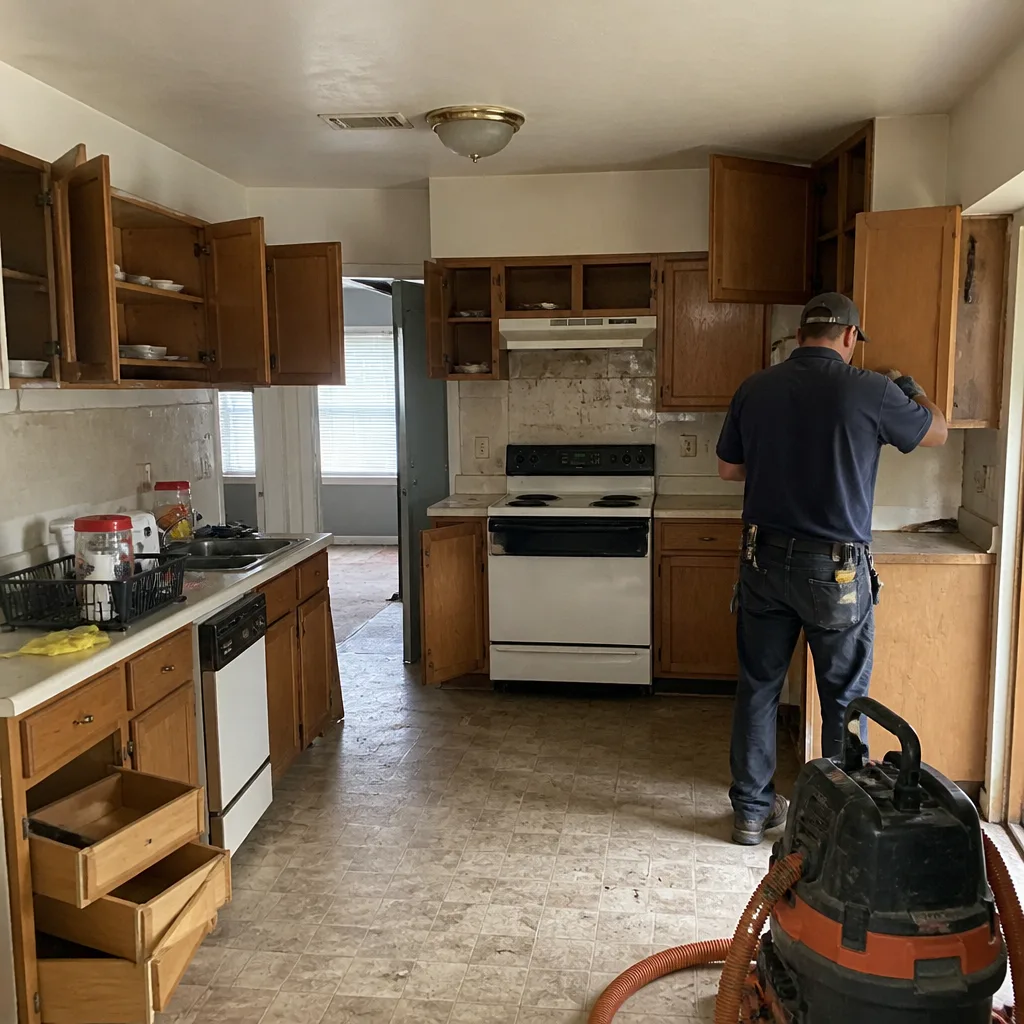
See the difference
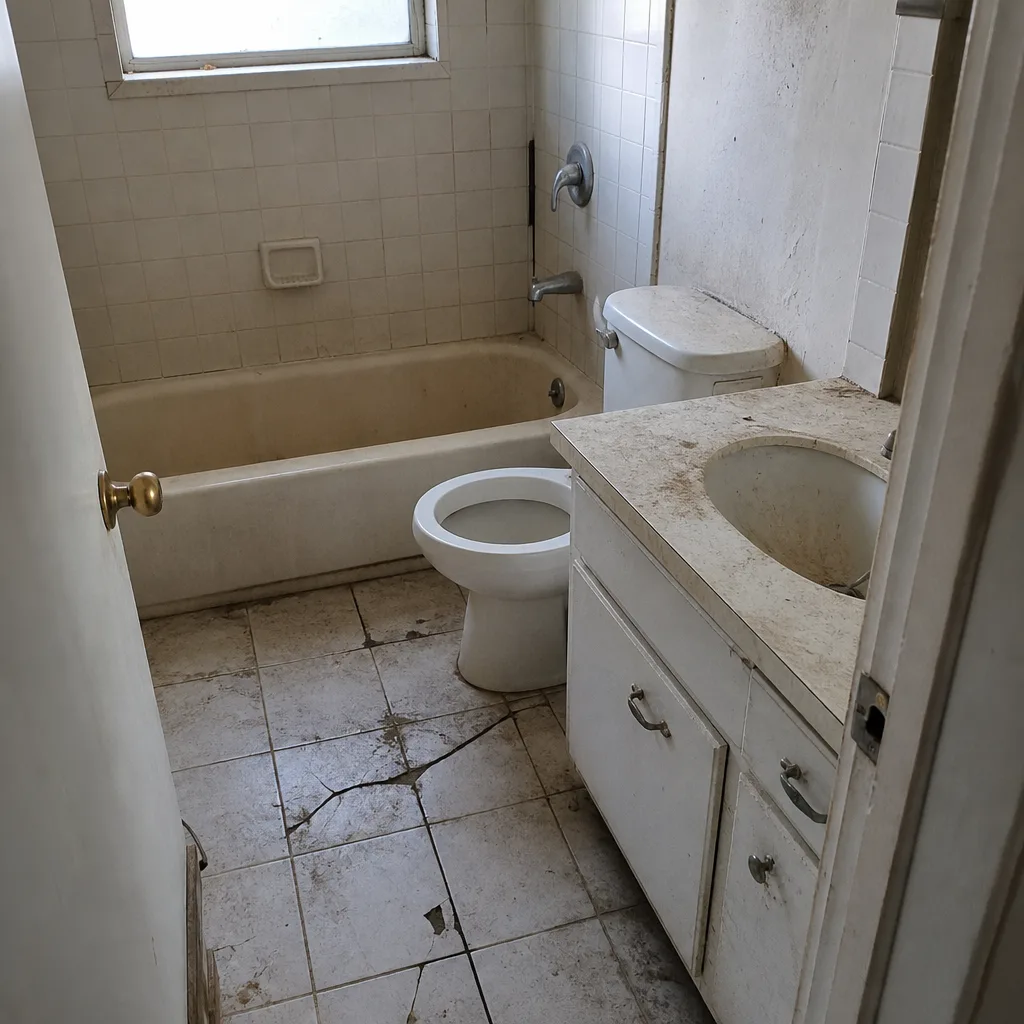 Before
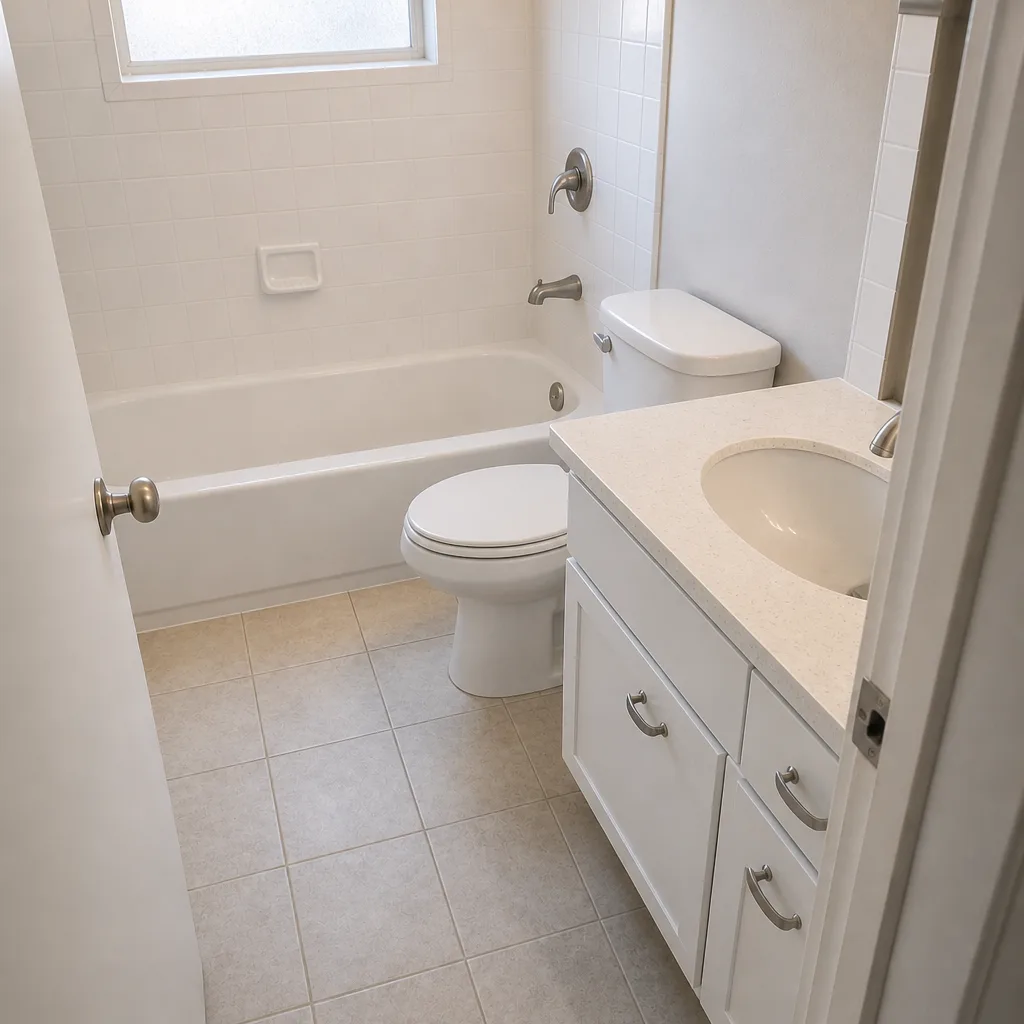 After
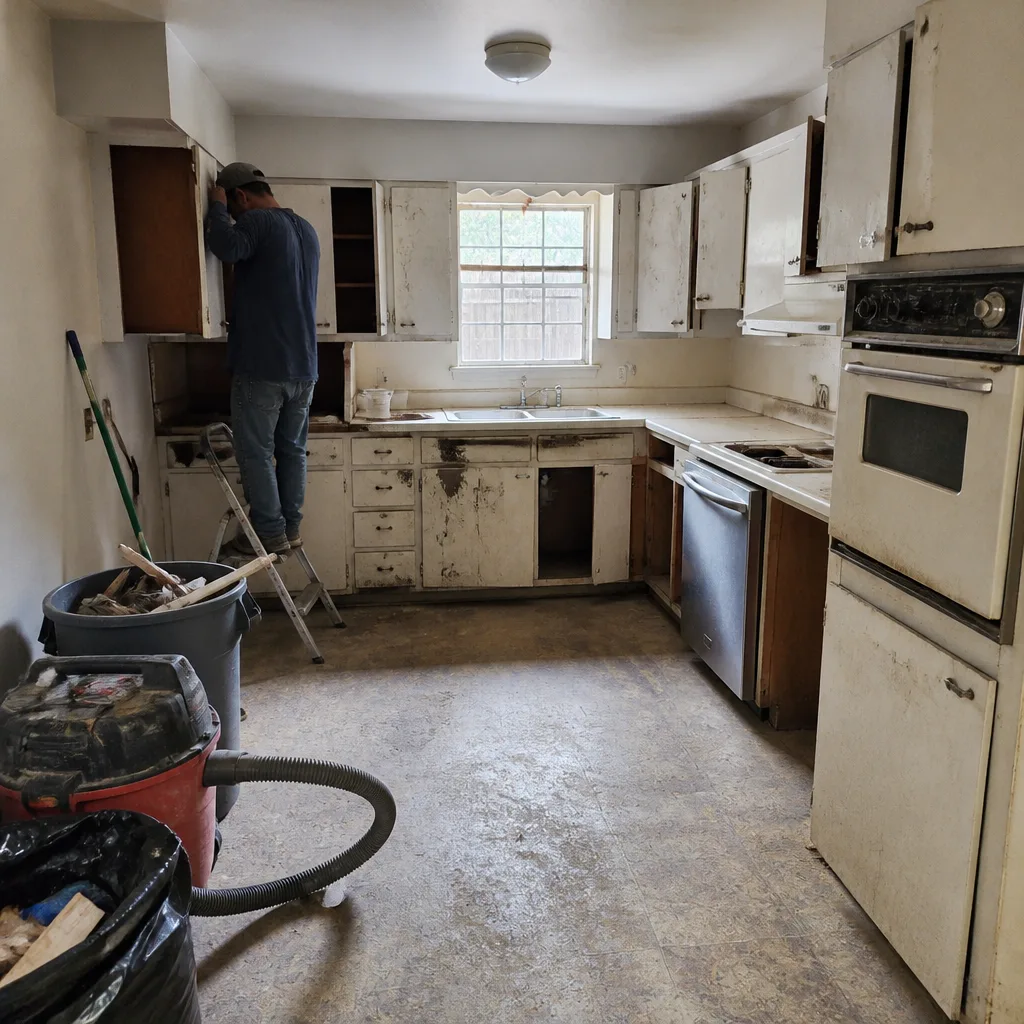 Before
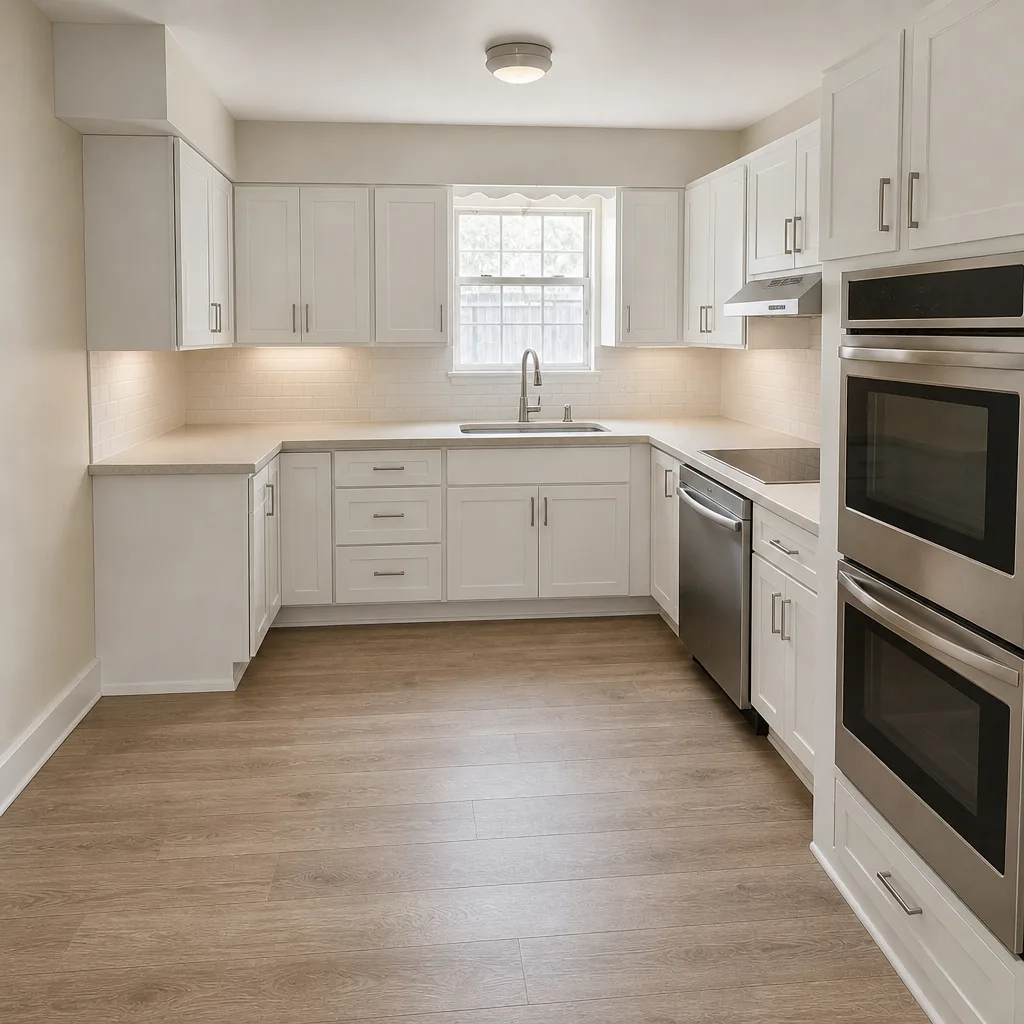 After
 Before
 After