Last updated November 18, 2026






Free written scope consultation - allowances, timeline, and change-order rules on paper before a single trade is scheduled
Construction Permits, Codes & Inspections in TX: What You Need to Know
Unpermitted construction is the number-one issue that delays or kills home sales in Texas. It doesn’t show up when the work is finished. It shows up months or years later, when a buyer’s inspector flags a converted garage or the title company pulls permit records, usually after you’ve already accepted an offer. Texas gives its cities wide latitude over building codes, which means a project that requires a permit in Garland may need nothing at all in a nearby unincorporated stretch of the county. Confusing the two is how homeowners end up holding the bag. Below, we walk through Garland’s permit thresholds, the inspection sequence on a typical remodel, how to fix unpermitted work, and where state code and local amendments part ways.
Quick Answer
In Texas, building codes are adopted and enforced city by city, so whether you need a permit depends on where the home sits, not just what you’re building. In Garland, most remodels that touch structure, electrical, plumbing, or mechanical will require a permit and a sequence of inspections. Get the permit in the right name, keep the inspection record clean, and the work protects your home’s value at resale instead of torpedoing it.
Styles & brands we work with
- Kitchen remodeling
- Bathroom remodeling
- Home additions & ADU
- Roofing
- Windows & doors
- Driveway & pavers
- Fence
Table of Contents
- Why Texas Cities Control Their Own Codes
- Garland Permit Thresholds: What Triggers a Permit
- Texas State Code vs. Garland Local Amendments
- The Inspection Sequence for a Typical Garland Remodel
- How to Permit Unpermitted Work in Garland
- Who Pulls the Permit: You or the Contractor?
- What Permits and Inspections Cost in Garland
- Common Mistakes to Avoid
Why Texas Cities Control Their Own Codes
Texas doesn’t adopt one statewide building code for residential construction. Instead, the state sets minimum standards in a handful of areas (most notably the electrical code and some plumbing licensing), and each city decides whether to adopt the International Residential Code, the International Building Code, or a homegrown version. Garland runs under adopted International Codes with local amendments layered on top. Drive fifteen minutes east toward unincorporated land near the Lake Ray Hubbard shore, and you can find yourself outside city permitting entirely.
That patchwork is the whole problem. A homeowner who builds a deck without a permit in Garland and a homeowner who builds the same deck outside city limits are in two completely different situations. The first has an open code violation that will surface in a records search. The second may be perfectly legal.
This is why the first question on any remodel isn’t “what are we building” but “where does the property line sit and who has jurisdiction.” In our experience across Garland, we’ve seen homeowners assume a permit wasn’t needed because a neighbor did similar work without one. Where the neighbor’s lot fell under a different jurisdiction, the comparison means nothing.
Garland Permit Thresholds: What Triggers a Permit
Garland’s Development Services department publishes permit requirements by project type. Exact thresholds shift as the code is amended, so always confirm with the city before you build, but the categories below cover what most homeowners in Garland run into. The city generally looks at three things: structural change, square footage, and whether the work touches the mechanical, electrical, or plumbing systems.
Projects that almost always require a permit in Garland:
- Any wall removal or addition, regardless of size. Load-bearing or not, if you’re taking out a wall, ask first.
- Converting a garage, attic, or bonus room into living space. This is the single biggest culprit behind resale problems in Garland.
- Adding or relocating plumbing fixtures, including moving a sink or adding a bathroom.
- New or extended electrical circuits, panel upgrades, or any work inside the breaker box.
- Structural changes to a roof, foundation, or load-bearing framing.
- Decks over a certain height above grade, and most accessory structures above a modest square footage.
Projects that typically don’t require a permit:
- Cosmetic work: paint, flooring, tile, cabinets in the same footprint.
- Replacing a fixture with a like-for-like swap (a faucet for a faucet, a light fixture for a light fixture).
- Fencing under the height limit, though HOA rules may still apply.
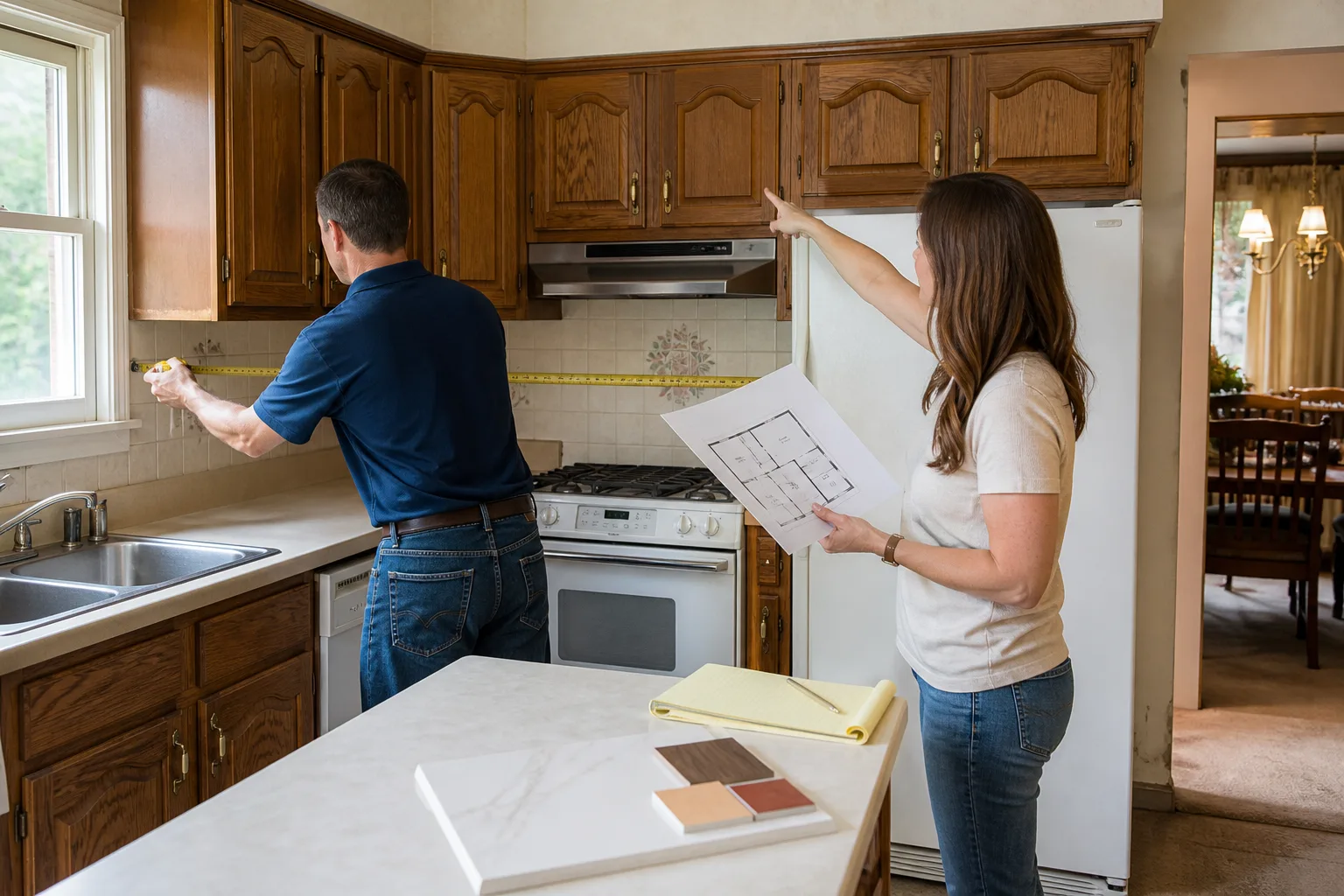
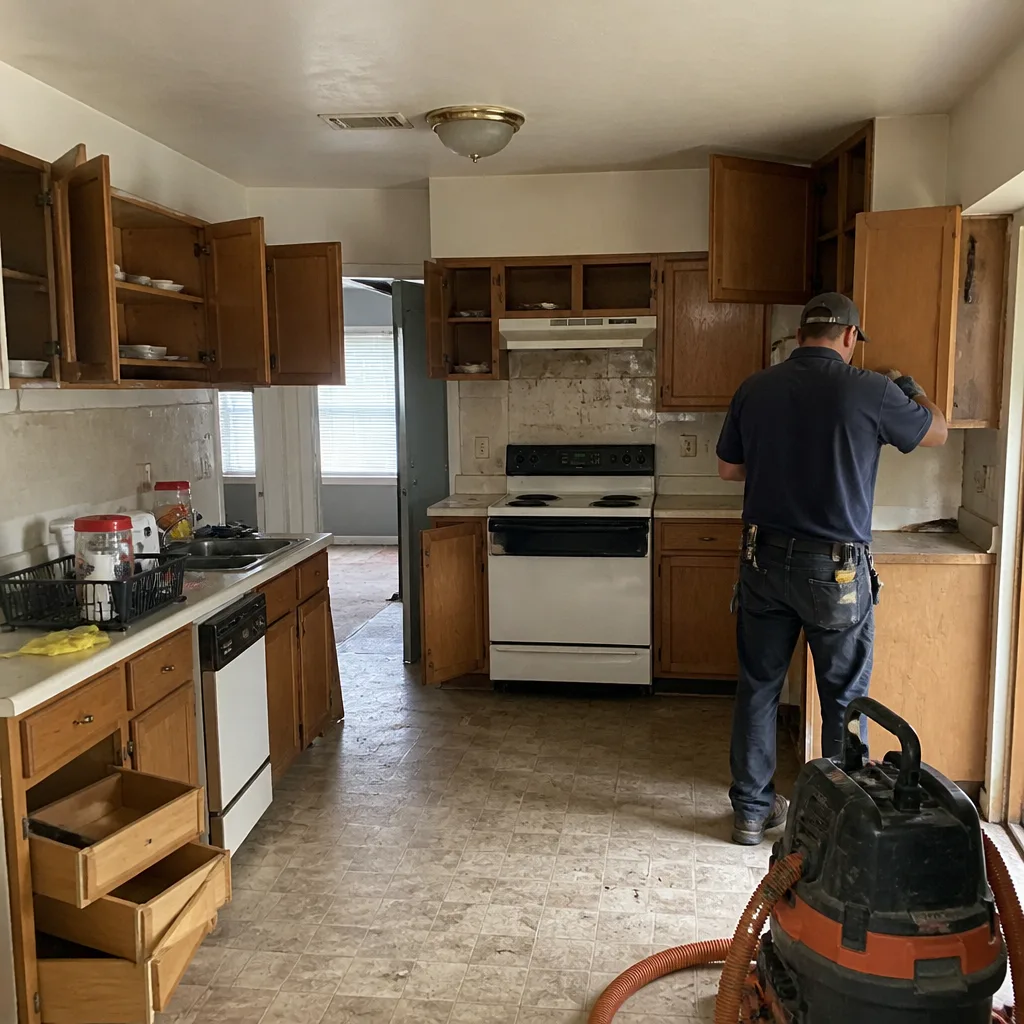
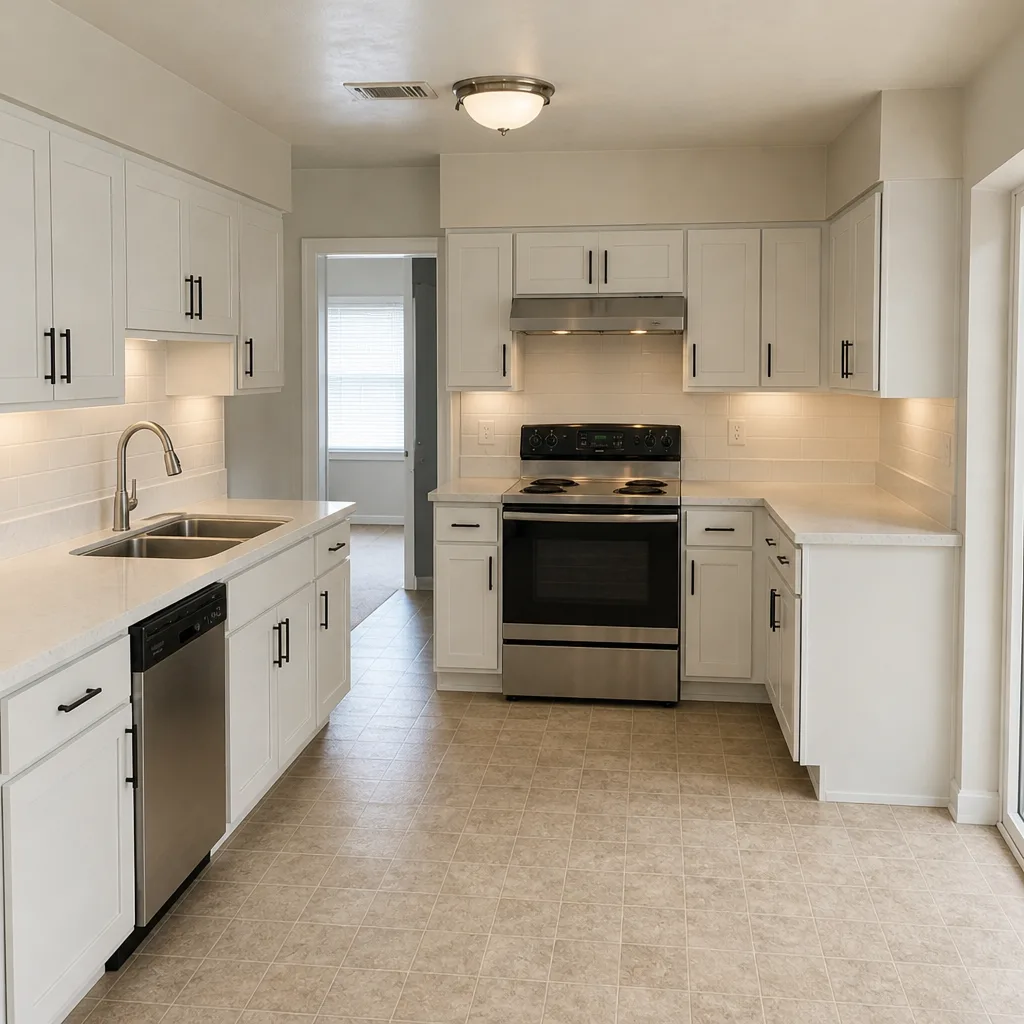
Kitchen and bath remodels are the gray zone. Swap the cabinets and countertop in the same layout and you likely don’t need a permit. Move the sink, add an outlet for a new range, or open up a wall, and you do. That difference is worth thousands at resale if the paperwork isn’t in order. When our team scopes a kitchen remodeling in Garland, we confirm the permit question before a single cabinet comes out, because the answer changes the schedule and the price.
Texas State Code vs. Garland Local Amendments
If you’ve ever compared notes with a friend in another Texas city and gotten a different answer on the same question, this is why. The state sets a floor, Garland sets the ceiling, and they don’t always line up.
Electrical. Texas adopts the National Electrical Code at the state level, so the fundamentals don’t change city to city. Garland adds local amendments on top, mostly around permit filing, inspection sign-off, and who’s licensed to do the work. A homeowner in Garland generally can’t self-perform electrical work on a permitted project; it has to be a licensed electrician. The licensing requirement is the state’s, the permit and inspection process is Garland’s.
Plumbing. Similar story. Texas licenses plumbers through the state, and the plumbing code that governs the work is adopted statewide. Garland controls the permit and inspects the rough-in and final. If you’re remodeling a bathroom and moving a drain, plan for two inspections where a cosmetic refresh might need none.
Energy efficiency. This is where the divergence gets real. Texas updates its energy code on its own schedule, and cities can adopt more recent versions sooner or hold back. Garland’s energy requirements for new construction and major remodels (window ratings, insulation values, HVAC sizing) may run stricter or looser than a neighboring city. It matters most on additions, where the new square footage has to meet the current code, not the code in force when the house was built.
We pull the current Garland amendment sheet before every permitted project. It’s the difference between a clean inspection and a re-inspection two weeks later. Our general contractor in Garland team treats that as step one, not an afterthought.
The Inspection Sequence for a Typical Garland Remodel
Here’s the general flow for a permitted remodel in Garland. Exact order and required inspections vary by project, but this covers most kitchens, baths, and additions.
- Permit issued. The city issues the permit and posts it on the job site. Nothing else starts until this is in hand.
- Rough-in inspection. Electrical, plumbing, and any HVAC changes must be roughed in and visible before insulation and drywall go up. This is where most projects get flagged. Common failures in Garland: wires stapled too close to framing edges, drains with insufficient slope, missing nail plates over stud penetrations.
- Framing inspection. New walls, headers, and any structural changes get inspected for proper sizing, fastening, and fire blocking. Missing or undersized headers over wide openings are the usual culprit.
- Insulation and energy. Insulation values, window ratings, and air sealing are checked against current Garland adoption. This stage catches projects that were designed under old energy rules.
- Mechanical inspection. HVAC changes, including ductwork and venting, are checked for proper sizing and clearance.
- Final inspection. All the above combined. If it passes, the city closes the permit and you get a clean record. If it fails, you correct the item and pay a re-inspection fee.
What fails most often at that rough-in stage isn’t dramatic. It’s small things: a missing nail plate, a wire too close to the edge, a drain slope that’s just off. Those are the kinds of fixes a careful contractor catches before the inspector ever arrives. We schedule our own internal check before calling for the city inspection, because a re-inspection adds days to a job that was already running tight.
How to Permit Unpermitted Work in Garland
You’ve discovered the garage conversion was never permitted, or the bathroom was added years ago with no record. Plan to deal with it before you list. Buyers’ inspectors pull permits, and a title company will note it. Doing nothing usually costs more than fixing it.
Here’s the general path to legalizing unpermitted work in Garland:
- Call Garland Development Services and describe the work. The city will tell you whether a permit was required and what type. Do this before pulling anything apart.
- Request an as-built inspection. An inspector comes out to see what’s actually there. The city may require you to expose elements (open a wall, remove finish) so the inspector can see the wiring or framing.
- Hire a licensed trade for corrections. Anything that doesn’t meet current code has to be brought up to it. That can mean a new electrical panel, proper venting on a bath fan, or a header over an opening that was never sized correctly.
- Pull the permit, complete the corrections, and pass the inspections. The permit is typically issued under the homeowner’s name if the homeowner is doing the work, or under the licensed contractor for trades.
- Get the final sign-off. The city closes the record and you have documentation the work meets current code.
Cost varies wildly depending on what needs correcting. A simple garage conversion that just needs an inspection and a new GFCI might run a few hundred dollars in fees plus a small amount of trade work. A conversion that was wired to old standards and never vented properly can run into the thousands once it’s brought up to current code. We’ve seen both in Garland, more often the second.
One detail most people don’t know: bringing unpermitted work up to code can trigger additional requirements. If you open a wall and expose old wiring, the inspector may require that circuit be brought fully up to current code. That’s the reason we always budget a contingency on a retroactive permit.
Who Pulls the Permit: You or the Contractor?
Texas law lets homeowners pull permits on their own homes for work they’ll perform themselves. That legal right doesn’t make it a good idea when you’ve hired a contractor.
Two things go wrong when a homeowner pulls a permit for a contractor’s work. First, the homeowner becomes the responsible party. If the work fails inspection, the flag lands on the homeowner’s record, not the contractor’s. Second, most warranty and liability protections run through the contractor who pulled the permit. A homeowner who pulls the permit for a contractor’s electrical work may have voided the contractor’s responsibility for any code issues. The contractor can walk away from a failed inspection with no skin in the game.
When a contractor pulls the permit, that contractor is on the record with the city. The inspection failures land on the contractor’s history with Garland Development Services. That accountability matters. We pull permits for every permitted project we work on, because the record should belong to the company that did the work. If a problem comes up after the job’s closed, there’s a documented trail of who built it.
For homeowner self-performed work, pulling your own permit is fine. But if a licensed contractor is doing the work, let them pull it. Ask them directly, and get the answer in writing. A bathroom remodeling in Garland that touches plumbing or electrical is a good test case. If the contractor hands you a permit application and says “just sign here,” ask why they aren’t pulling it themselves.
What Permits and Inspections Cost in Garland
Permit fees in Garland are based on project value, not a flat rate. That means a $60,000 kitchen remodel pays more in fees than a $6,000 bath refresh, and additions pay more than remodels. Plan on permit and inspection fees in the $200 to $1,200 range for most residential remodeling in Garland, with additions and structural changes at the high end.
| Item | Typical Range in Garland |
|---|---|
| Small bath or cosmetic kitchen permit | $150 – $400 |
| Full kitchen remodel with electrical/plumbing | $300 – $700 |
| Garage conversion or room addition | $500 – $1,200 |
| Retroactive “as-built” permit + inspection | $250 – $600 in fees, plus correction costs |
| Re-inspection fee (failed inspection) | $50 – $150 per visit |
Those are city fees. Correction costs on a retroactive permit are separate, and can run from a few hundred dollars up to several thousand depending on what fails. When our team gives a written price on a Garland remodel, the permit line is itemized, so you know exactly what the city will charge and what we’re charging to pull it. No surprise permit bill arrives after demo. We also build a small contingency into the estimate in case the inspector asks for something we couldn’t predict without opening a wall.
Common Mistakes to Avoid
- Assuming a nearby city’s rules apply. Garland’s permit thresholds are not the same as Richardson’s, Mesquite’s, or an unincorporated county area. A project that was legal without a permit at your cousin’s house in Royse City may require one in Garland. Confirm with the city that has jurisdiction over your address.
- Letting the contractor skip the permit to save time. Speed today becomes a resale problem tomorrow. If your contractor suggests skipping the permit “just this once,” that’s a sign of how they handle every other accountability question. Get the permit answer in writing before work starts.
- Pulling the permit under your own name for a contractor’s work. The record belongs to whoever pulls the permit. If your contractor takes no responsibility for a failed inspection, your warranty may not cover the fix. Let the contractor pull it and stay on the record.
- Converting a garage or bonus room without a permit. This is the single most common cause of closing delays in Garland. Buyers’ inspectors flag the missing record, and the title company won’t close until it’s addressed or the price drops materially.
- Assuming “it’s not load-bearing” means no permit. Any wall removal in Garland usually triggers a permit, load-bearing or not. Let the city decide, not your contractor’s gut feeling.
- Ignoring the energy code on additions. A new addition has to meet current Garland energy code, not the code in force when the house was built. Sizing windows and insulation to the wrong standard fails the inspection and costs you a do-over.
- Doing the work, then asking forgiveness. Retroactive permitting works, but it’s slower and more expensive than pulling the permit upfront. Plan for the headache, not against it.
See the difference
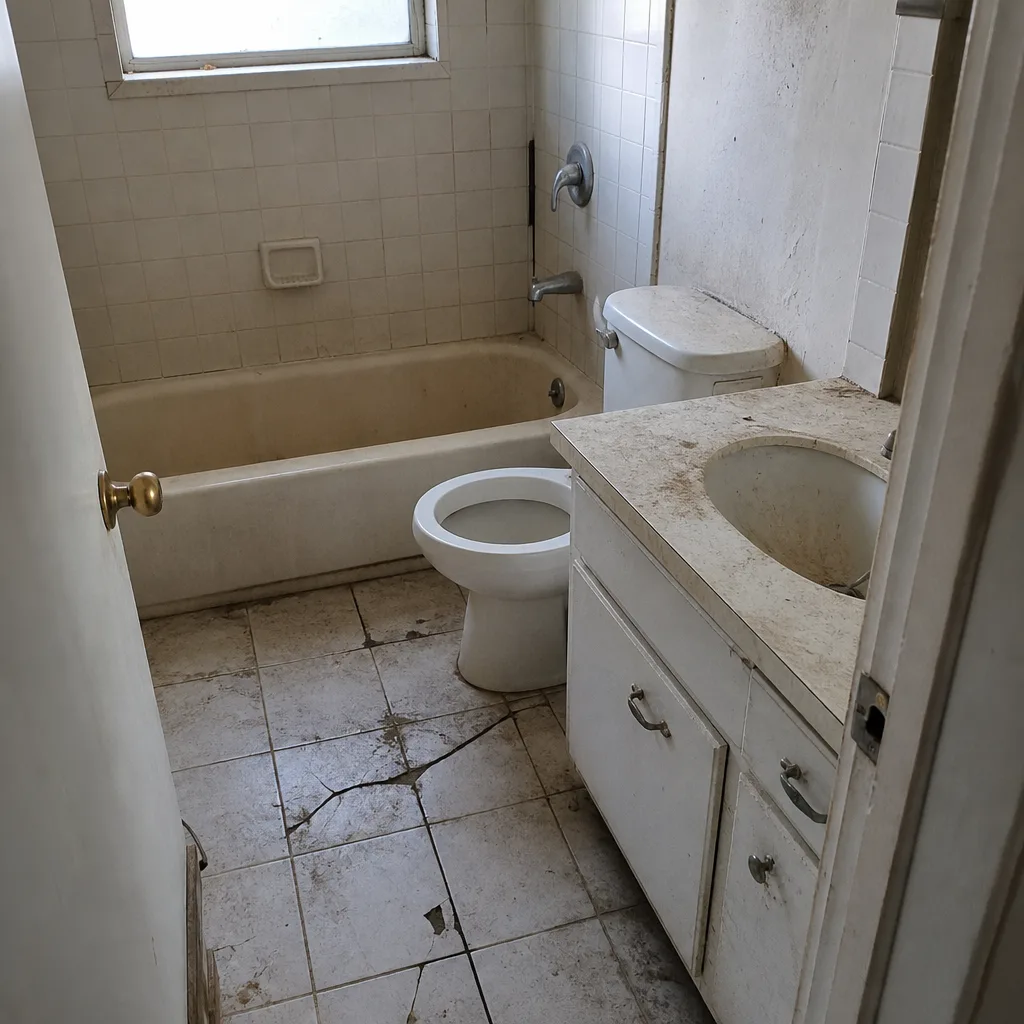 Before
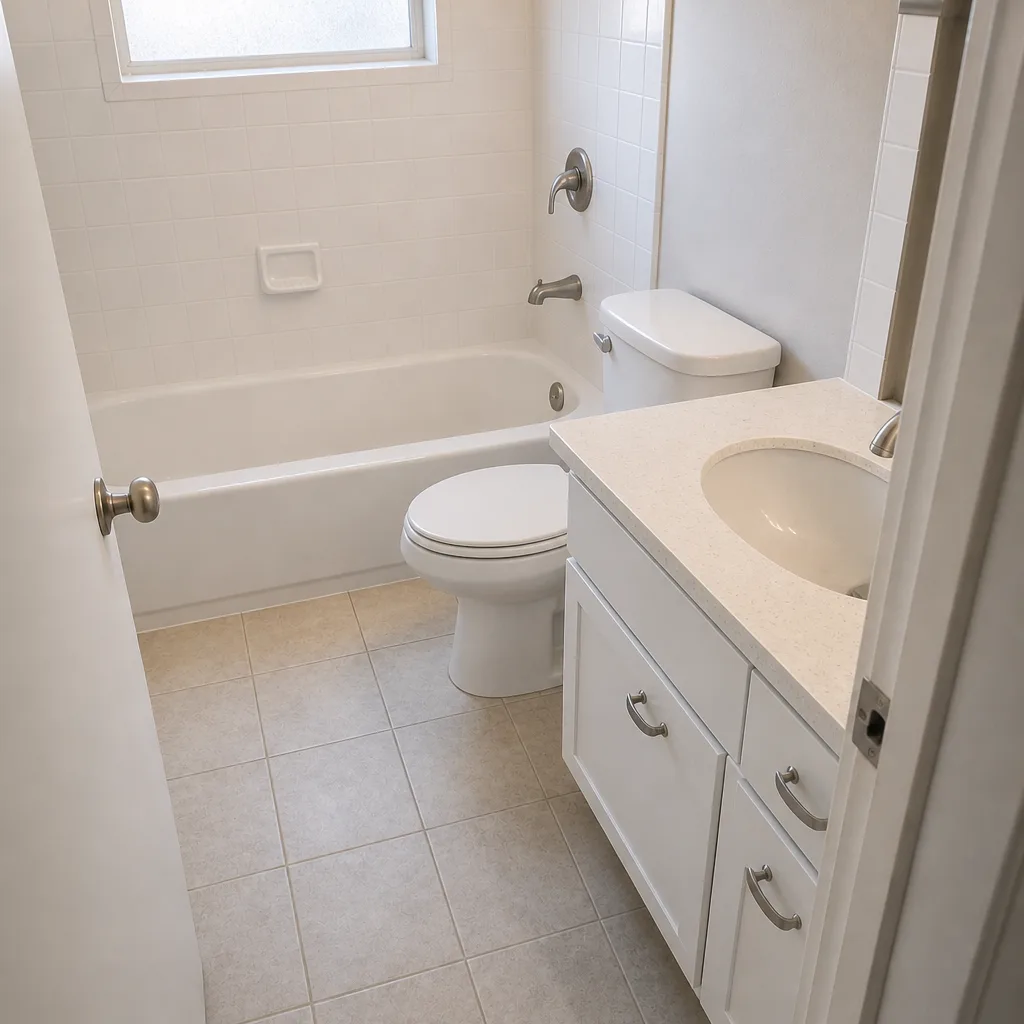 After
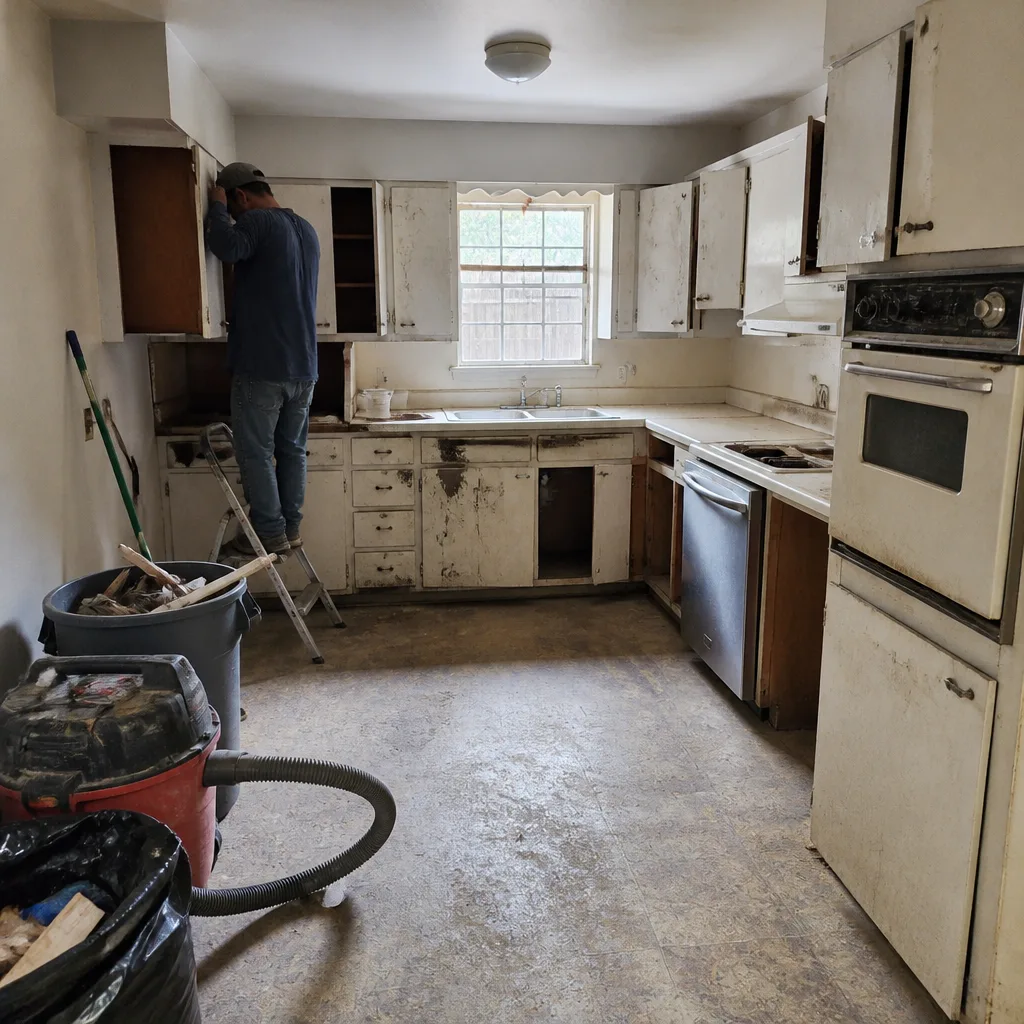 Before
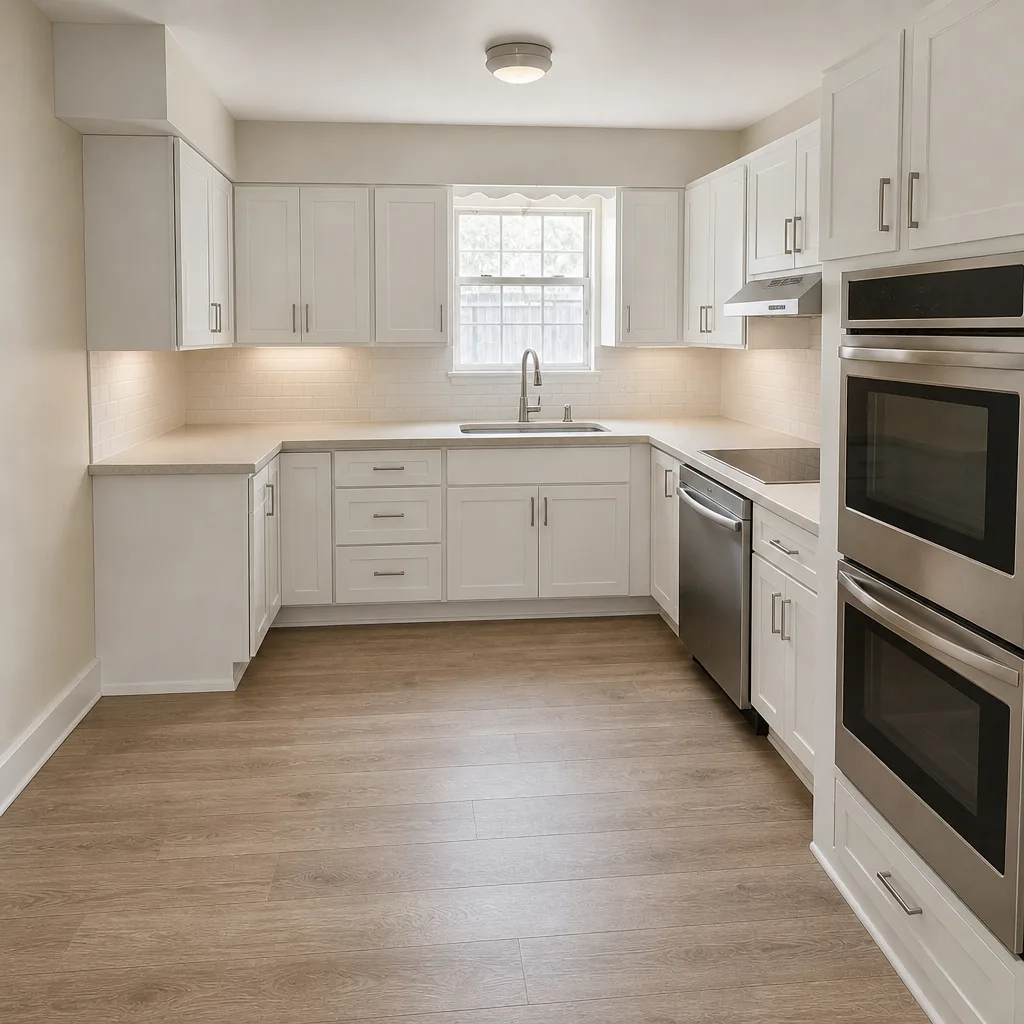 After
 Before
 After
When to Call a Professional
Call a licensed professional when the project involves anything structural, anything that touches the electrical panel or plumbing supply lines, or any conversion that changes how a space is legally classified. Those are the situations where a homeowner pulling a permit themselves has the most to lose. Also call for guidance on any pre-1978 home in Garland, where lead paint and asbestos rules add a layer to the permit process no matter how careful the job is scoped.
Less obvious, but just as important: call before you list the house if you’re not sure about a past remodel. A pre-listing permit check takes a phone call to the city and saves you a renegotiation at the closing table. And call a professional before you start tearing out drywall to fix a code issue yourself. The failure that gets discovered inside the wall is usually more expensive than the one an electrician finds in an hour.
Our team works with Garland homeowners on exactly this. We handle the permit, the inspection schedule, and the corrections, and we give you a written price before any of it starts. If the inspector asks for something on day eight that wasn’t in the plan, that’s on us, not you. Call (844) 560-4146 for a free estimate.
Frequently Asked Questions
Sometimes. A like-for-like kitchen refresh (cabinets in the same footprint, new countertop, new paint and tile) usually doesn’t require a permit. Moving a sink, adding an outlet for a new range, or opening a wall does. Garland’s rule of thumb is that the permit follows the change to structure, electrical, or plumbing, not the size of the project. Call your contractor to confirm the specific scope before work starts, and put the answer in writing. Call (844) 560-4146 for a free estimate on the project as a whole, permit included.
Garland permit fees run roughly $150 to $1,200 for most residential remodeling, scaled to project value. A small cosmetic permit is at the low end; a room addition or garage conversion is at the top. Re-inspection fees add $50 to $150 per failed visit. Call (844) 560-4146 for an exact quote on the permit line of your specific project, with the fee itemized in writing.
It can, and often does. Buyers’ home inspectors flag unpermitted work, title companies pull permit records, and lenders may refuse to fund until the issue is resolved. A garage conversion or finished attic with no permit on record is the classic closing killer in Garland. The fix is almost always cheaper than the price reduction the buyer will demand, but you have to do it before you’re under contract.
Yes. Garland allows homeowners to legalize unpermitted work through an as-built inspection process. An inspector comes out to see what exists, the city tells you what needs correcting, you pull a permit, complete the corrections, and pass the inspections. Fees run $250 to $600 in city costs, plus the correction work. It’s not as simple as calling for an inspection; the corrections can add significantly to the bill. Call (844) 560-4146 to schedule a free estimate on the corrections.
Your contractor should pull the permit for any work they perform. A Texas homeowner has the legal right to pull their own permit, but when a licensed contractor is doing the work, letting them pull it keeps the inspection record on their name and preserves both warranty and liability coverage. A homeowner pulling the permit for a contractor’s electrical or plumbing work can void the contractor’s responsibility for code issues. Let the contractor pull it, and get confirmation in writing.
For a typical kitchen or bath remodel, budget five to eight inspections over four to eight weeks, depending on how quickly the trades turn around. Rough-in is usually the bottleneck: electrical, plumbing, and HVAC all have to be complete and visible before that inspection. If a re-inspection is required, add three to seven days each time. We build the inspection calendar into the project schedule before we start, so the homeowner knows what week each stage falls in. Call (844) 560-4146 for a free estimate that includes the inspection timeline.
The Bottom Line
Texas gives its cities control of their own codes. That means permits are a Garland question, not a Texas question, and it’s why a project that’s fine next door can be a code violation two miles away. Get the permit in the right name. Keep the inspection record clean. Deal with any unpermitted work before you list. And don’t confuse the neighbor’s experience with your own address. The permit is the cheapest insurance on your home’s value, and the paperwork at resale is what proves it. If you’re planning a remodel in Garland, start with the permit, not the pickaxe.
Written by the team at Penhallow Remodeling Garland.
Ready to plan a permitted remodel in Garland? Call (844) 560-4146 for a free estimate. You’ll get a live person on the phone, a written price before any work begins, and a 365-Day Done Right Promise on every project. If something we build fails inside the guarantee period, we come back and fix it at no charge, backed in writing. Learn more about Penhallow Remodeling Garland and how we work.