Last updated November 18, 2026


Free written scope consultation - allowances, timeline, and change-order rules on paper before a single trade is scheduled
DIY vs Professional Construction: The Garland Homeowner’s Decision Guide
Texas is one of the most permissive states in the country when it comes to owner-permitted construction work. A Garland homeowner can legally pull a permit and remodel a bathroom, frame a wall, or re-tile a shower without a single contractor’s license in sight. But “legal to DIY” and “smart to DIY” part ways fast in Garland, where expansive clay soil flexes under slab foundations, summer heat regularly crosses 100 degrees, and storm season tests every roofline from Firewheel to the Duck Creek corridor. This guide walks through permit liability, insurance claims, warranty terms, honest cost math, and a project-by-project matrix so you can decide which jobs to take on yourself and which ones to hand to a licensed pro.
Quick Answer
Most Garland homeowners can safely DIY cosmetic work – paint, trim, swapping a faucet or light fixture – and many can legally self-permit finish-level remodels. But any work touching the foundation, roofline, load-bearing walls, gas lines, or the waterproofing layer behind a shower is where DIY stops saving money and starts creating liability. The dividing line isn’t skill. It’s whether a failed job gets covered by your insurance or voids the warranty on the materials and systems already in your home.
Styles & brands we work with
- Kitchen remodeling
- Bathroom remodeling
- Home additions & ADU
- Roofing
- Windows & doors
- Driveway & pavers
- Fence
Table of Contents
- The Permit and Inspection Reality in Garland
- How DIY Work Affects Insurance Claims and Manufacturer Warranties
- The Garland Project-by-Project Decision Matrix
- True Cost Accounting: What DIY Really Costs
- How to Split a Project Without Creating Liability
- Why Garland’s Soil and Climate Change the Math
- Common Mistakes to Avoid
- Frequently Asked Questions
The Permit and Inspection Reality in Garland
Garland follows the International Residential Code with local amendments, and the city’s Building Inspections department issues permits to homeowners for work on their own primary residence. That means you can walk into the permit office as the owner and legally pull a permit for a bathroom remodel, an interior partition wall, or a fence replacement. What you cannot do is rent out your permit to a contractor who isn’t licensed – and if a licensed contractor is doing the work, they pull the permit in their name, not yours. This distinction matters because the permit holder is the party the inspector holds responsible when something fails.
Here’s where Garland homeowners get tripped up. Owner-pulled permits require owner-managed inspections, and the inspections happen on the city’s schedule, not yours. Miss an inspection call and your project stalls until you rebook. If a licensed professional pulls the permit, that coordination is their job and their liability.
Projects in Garland that typically require a permit:
- Any wall addition or removal, including non-load-bearing partitions in some cases
- Bathroom or kitchen remodels that move plumbing, gas, or electrical
- Electrical panel upgrades or new circuits
- Roof replacement and structural repairs
- Fence installation over a certain height and any accessory structure over 200 square feet
- Water heater replacement and HVAC changeouts
Projects that generally do not require a permit: paint, flooring laid over existing subfloor, cabinet refacing, fixture swaps on existing plumbing, and landscaping. If you’re unsure, call the city and ask. The answer is free.
How DIY Work Affects Insurance Claims and Manufacturer Warranties
This is the section most DIY guides skip, and it’s the one that costs Garland homeowners the most. Your Texas homeowner’s policy covers damage from sudden and accidental events – a burst pipe, a hail strike, a kitchen fire. It does not cover damage caused by faulty workmanship, whether that work was done by you or a contractor. That line sounds simple until you realize what it means in practice: if an unpermitted or unprofessionally installed shower pan leaks into your subfloor over six months, your insurer can deny the claim on the grounds that the damage resulted from improper installation rather than a covered peril. You’re left paying for the demo, the rebuild, and the mold remediation out of pocket.
Manufacturer warranties work the same way. A name-brand product from James Hardie, Therma-Tru, or Kohler carries its own limited warranty – but those warranties typically require installation by a licensed professional according to the manufacturer’s published specs. Install it yourself and the warranty is void even if your work was flawless. That means when a fiber-cement siding panel starts delaminating two years in, you’re not getting a replacement panel from the manufacturer. You’re buying one.
What installers and insurers typically expect:
- Licensed installation where state law or the manufacturer requires it – electrical, plumbing, gas, structural
- Permit records matching the completed work when you sell or file a claim
- Written documentation of the installed products and the date of installation
- Manufacturer-specified fasteners and materials, since many warranties are voided by substitutions
This is one reason we always put the price and the guarantee in writing before work starts. When a homeowner asks us what a warranty actually covers, the answer should be a document they can read, not a verbal promise they have to trust.
The Garland Project-by-Project Decision Matrix
Below is how we break down the most common Garland remodels when homeowners ask us whether to DIY. The right answer changes with the project, not the person.
Genuinely good DIY candidates
- Interior painting – the fastest way to change a room, low risk, no permit
- Cabinet refacing or painting – big visual gain, and no change to the plumbing or electrical layout
- Flooring over existing subfloor – luxury vinyl plank and laminate installs are homeowner-friendly
- Fixture swaps on existing plumbing – a new Kohler or Moen faucet installs in an hour if the supply lines are already there
- Fence replacement (owner-occupied, under the city height limit) – choose pre-assembled panels from a name brand like Barrette or Master Halco and you’ll cut install time in half
Where DIY stops making sense
- Bathroom remodels involving the shower pan or tile – the waterproofing layer behind the tile (called the substrate) is where almost every failed shower starts. A properly built pan with cement board and a sheet membrane is a multi-day sequence most first-timers get wrong.
- Kitchen remodels with cabinet replacement – moving a sink or range line requires licensed trades, and cabinet installs need level walls plus accurate plumbing rough-in.
- Anything load-bearing – removing a wall in a Garland home built in the 1960s through 1980s generally means a header, a post, and an engineered plan.
- Electrical panel work and new circuits – genuinely dangerous, and most insurers will not accept a homeowner-installed panel
- Roof replacement – steep-pitch work, plus the warranty coverage that follows the installed system
We handle bathroom remodeling in Garland and kitchen remodeling in Garland as the two areas where a small mistake compounds the fastest. Both require the invisible work – waterproofing, venting, rough-in – to be right before the finishes go in.
True Cost Accounting: What DIY Really Costs
The DIY math most homeowners run is materials-plus-tools-rental versus the contractor quote. That math leaves out the three biggest lines: time, waste, and the do-over. Here’s a framework that puts a real number on all three.
- Materials, with waste – add 10 to 15 percent for tile, 5 to 8 percent for lumber, and 20 percent for paint if you’re a first-timer. Broken cuts and mismeasured pieces are the rule, not the exception.
- Tool rental – a wet saw, tile saw, jackhammer, or compactor runs $60 to $200 per day in the Garland area. Weekend rentals during peak spring and fall are often booked out.
- Time at your own hourly rate – figure your honest number. A weekend bathroom tile job that a professional finishes in 3 days typically takes a first-timer 15 to 20 days of evenings and weekends.
- Permit and inspection fees – modest, but the cost is in the coordination, not the fee
- The do-over budget – this is the line most guides omit. Set aside 15 to 20 percent of project cost for corrections. If the shower pan fails, you’re not redoing the pan; you’re redoing the pan plus the tile plus the ceiling below.
When you add these up honestly, a project within 20 to 25 percent of a professional quote – especially a mid-range kitchen or bath – is usually cheaper to outsource. The real savings for DIY come on projects well under the $5,000 mark where the labor share is small.
How to Split a Project Without Creating Liability
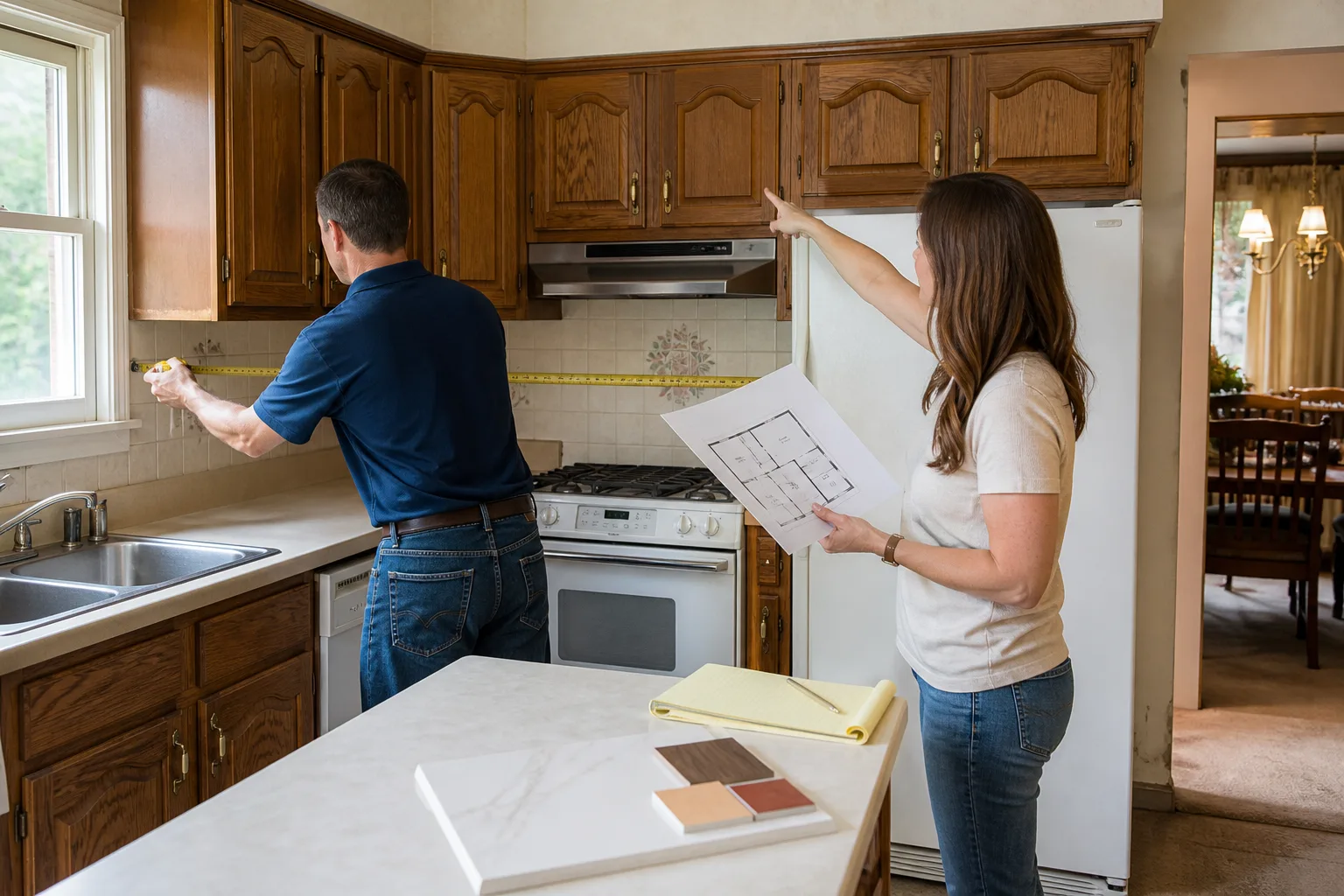
The most common mistake we see in Garland homes is a partial DIY that fumbles the handoff – the homeowner does the demo and prep, then a contractor walks in to find the framing was removed, the electrical was rerouted, and neither was permitted. Every contractor has to make some of that work right or walk away, and either outcome adds cost. A clean split looks like this:
- Choose one party to hold the permit – if any structural, plumbing, or electrical work is in scope, let the licensed professional pull it. If the scope is purely finish work, you can self-permit.
- Draw the line at waterproofing – demo, hauling, and drywall are reasonable DIY. Shower pans, tub surrounds, and any wet-area tile go to a pro.
- Let the trades handle what they’re licensed for – electrical rough-in, gas line relocation, and plumbing rough-in should be permitted and inspected. The finish work can stay with you.
- Write the scope down – a one-page document that says exactly where your work ends and the contractor’s begins, signed by both parties, keeps the boundary clear.
- Inspect before finish – call the inspection when the rough-in is done and before tile or cabinets go up. Once finishes are in, everything gets more expensive.
For projects that combine a split with a whole-house scope, our team writes out where each phase starts and ends in the written price, before the first dumpster shows up. It’s the same principle we use on general contractor work in Garland.
Why Garland’s Soil and Climate Change the Math
Garland sits on the eastern edge of the Blackland Prairie, where expansive clay soil swells in the wet spring and shrinks in the dry summer. That movement puts real stress on slab foundations and every finish tied to them. Small cracks in drywall and grout are normal here. Structural cracks, doors that stop latching, or tile that shears along a straight line are something else, and they need to be evaluated by a structural professional before a homeowner lays new tile over a moving slab.
Summers regularly reach triple digits, and heat affects more than your electric bill. Attic temperatures in a Garland home can hit 140 degrees in July, which shortens the lifespan of roofing underlayment and attic storage alike. Roof work done in the cooler months lasts longer, and roof replacement should always be done by a licensed roofer – steep-pitch work is one of the categories where DIY injuries are real and frequent.
Finally, the two systems that North Texas climate stresses hardest are the foundation and the roofline. Those are the two systems where we tell Garland homeowners to stop and call a licensed professional, no matter how confident they feel. Everything the climate touches – drainage, siding, roofing, foundation – is worth more caution than the interior.
When those systems are already in good shape, interior remodels are fair game. Our general contractor service and our Garland home remodeling overview both start with an inspection of the existing structure – we walk the foundation line and look at the roofline before we quote interior work, because a moving slab changes what’s possible on the finishes above it.
Common Mistakes to Avoid
- Starting demo before you have a permit in hand. In Garland, once the framing is open, you can’t easily reverse course to a permitted scope – the inspector will want to see the demo was done to code, and that usually means calling in a professional after the fact.
- Letting a contractor “work under your permit.” This shifts the inspection responsibility to you and puts you in the position of vouching for work you didn’t perform. Always confirm in writing whether the contractor is pulling the permit.
- Skipping the waterproofing layer to save a day. Tile showers that start leaking typically fail at the pan, not the tile. One weekend saved on waterproofing becomes a $6,000 to $12,000 demo and rebuild two years later.
- Buying tile and cabinet material without the installer’s sign-off. Cabinet sizes, filler strips, and tile transitions all depend on the exact layouts the installer plans. Buying first and installing later means return trips and extra pieces.
- Assuming your homeowner’s policy covers bad workmanship. It doesn’t. Confirm in writing with your insurer what’s covered if a DIY project fails and causes interior damage.
- Replacing a roof in July. Heat-shortened underlayment and rushed flashing installs are more common in summer. Fall and spring are the right months.
- Hiring the lowest verbal bid. If a contractor won’t hand you a written price before work starts, treat the number as fiction. The figure on day one has to be the figure on the invoice.
See the difference
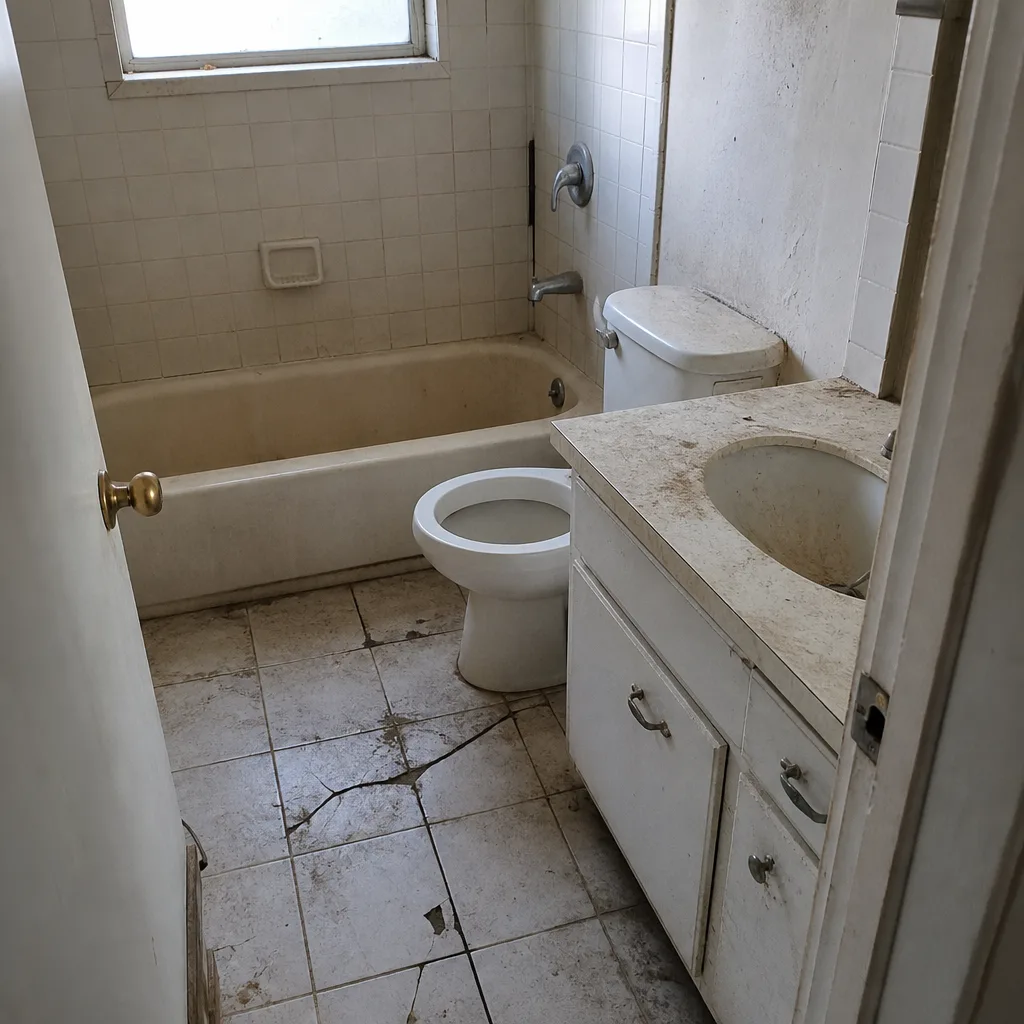 Before
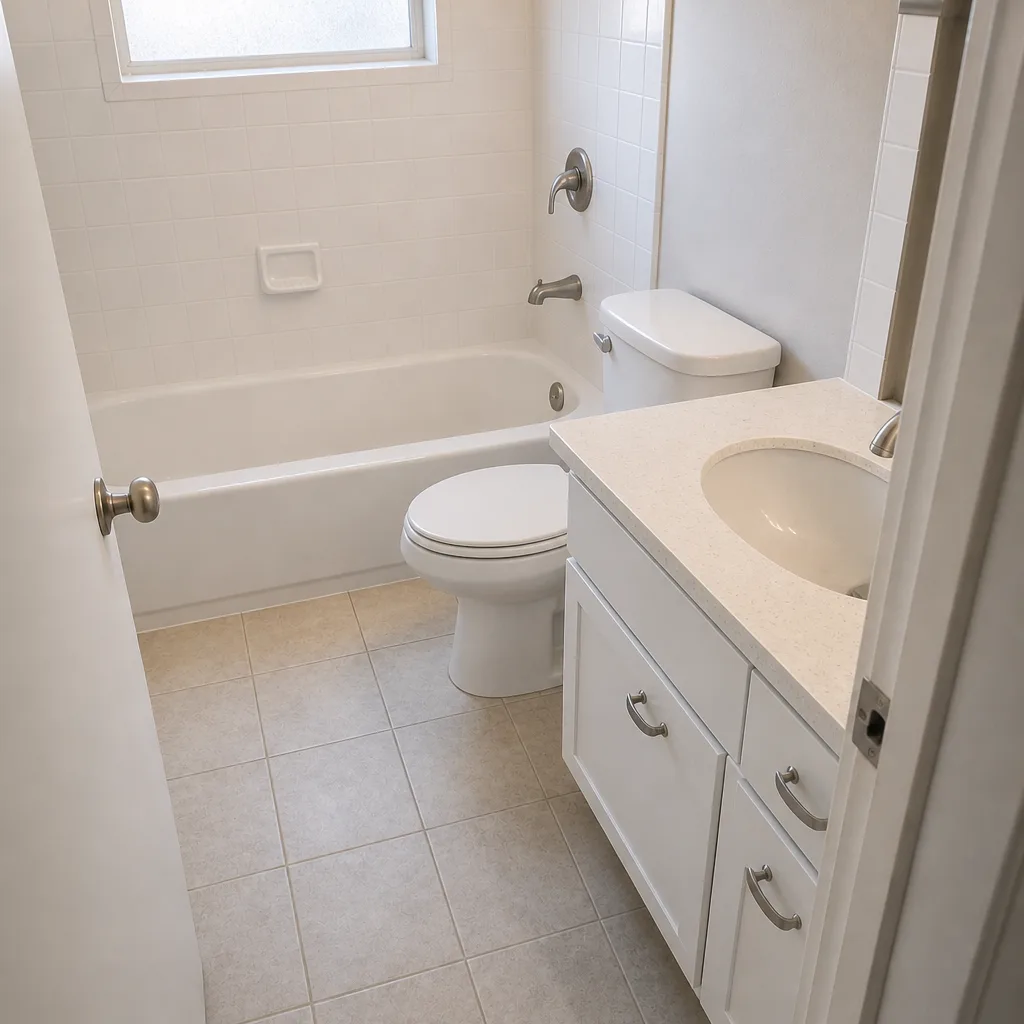 After
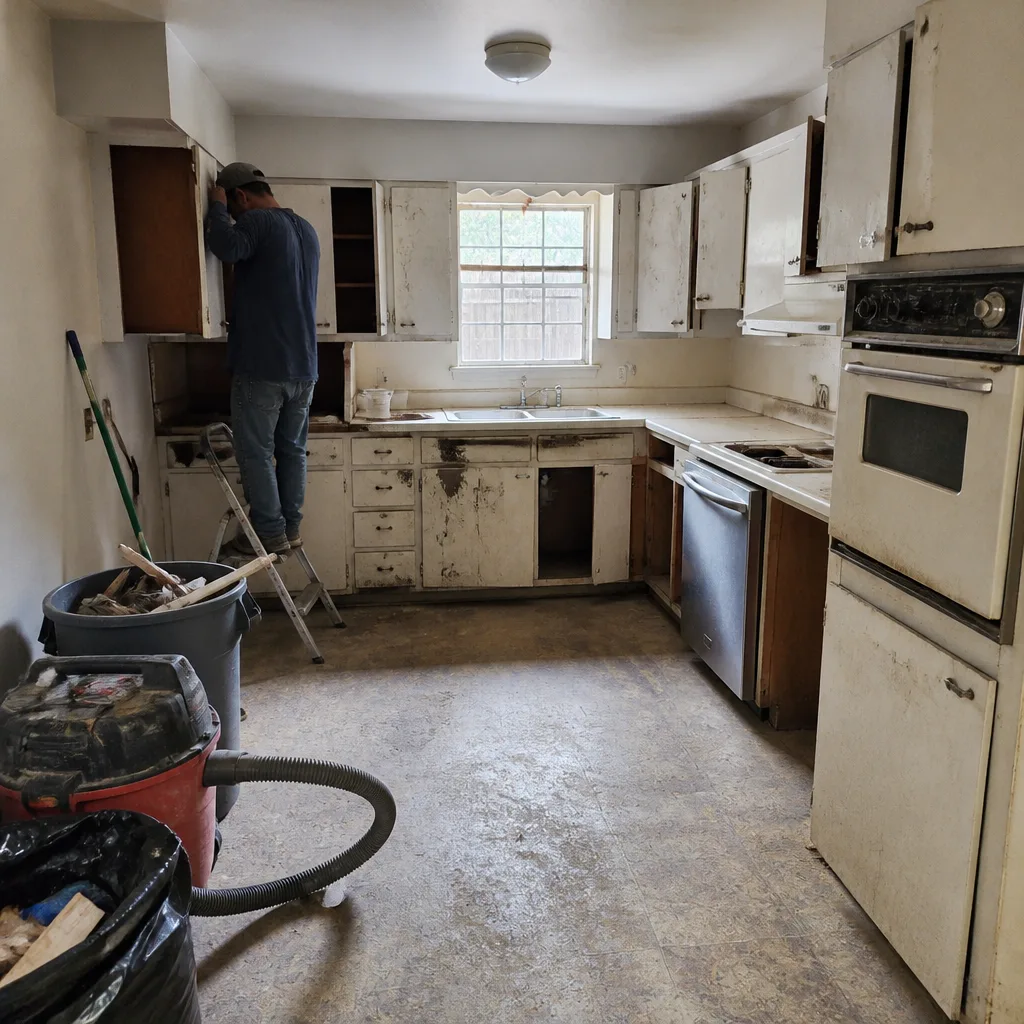 Before
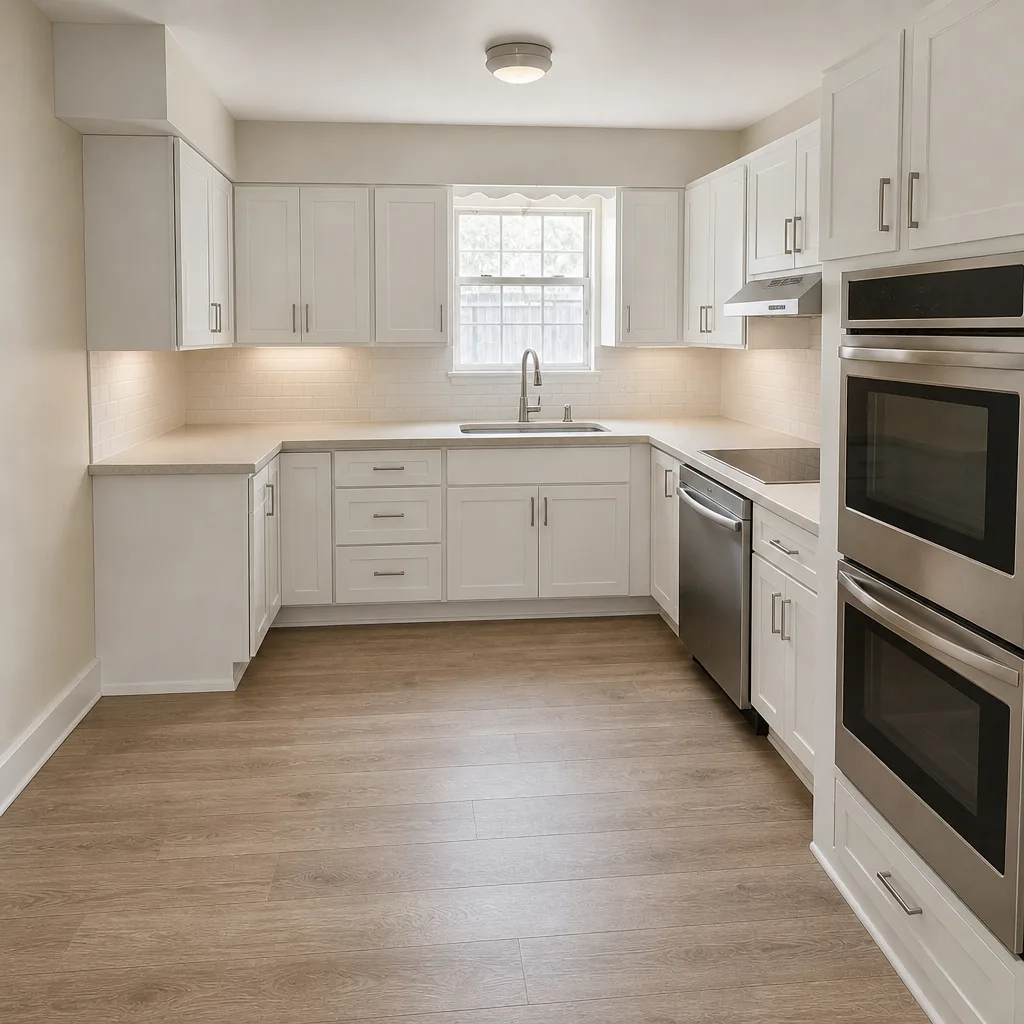 After
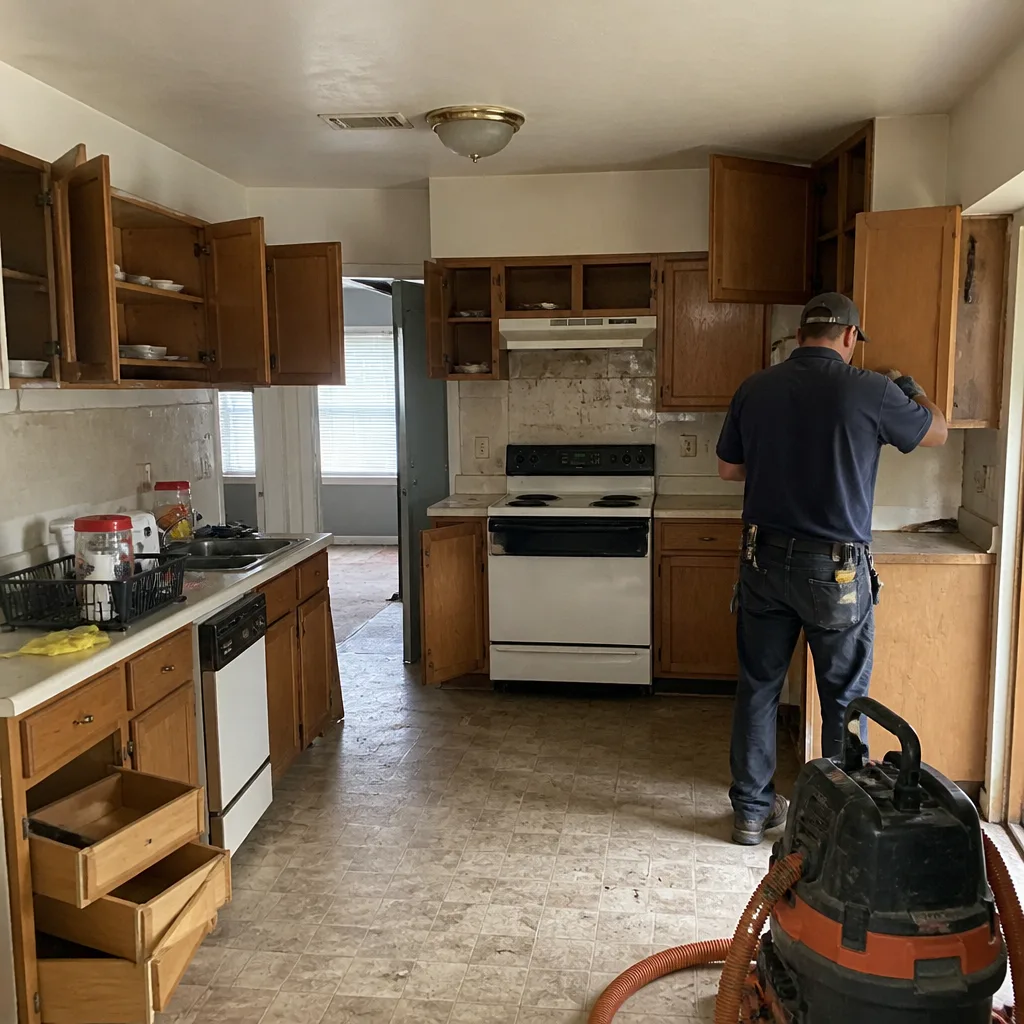 Before
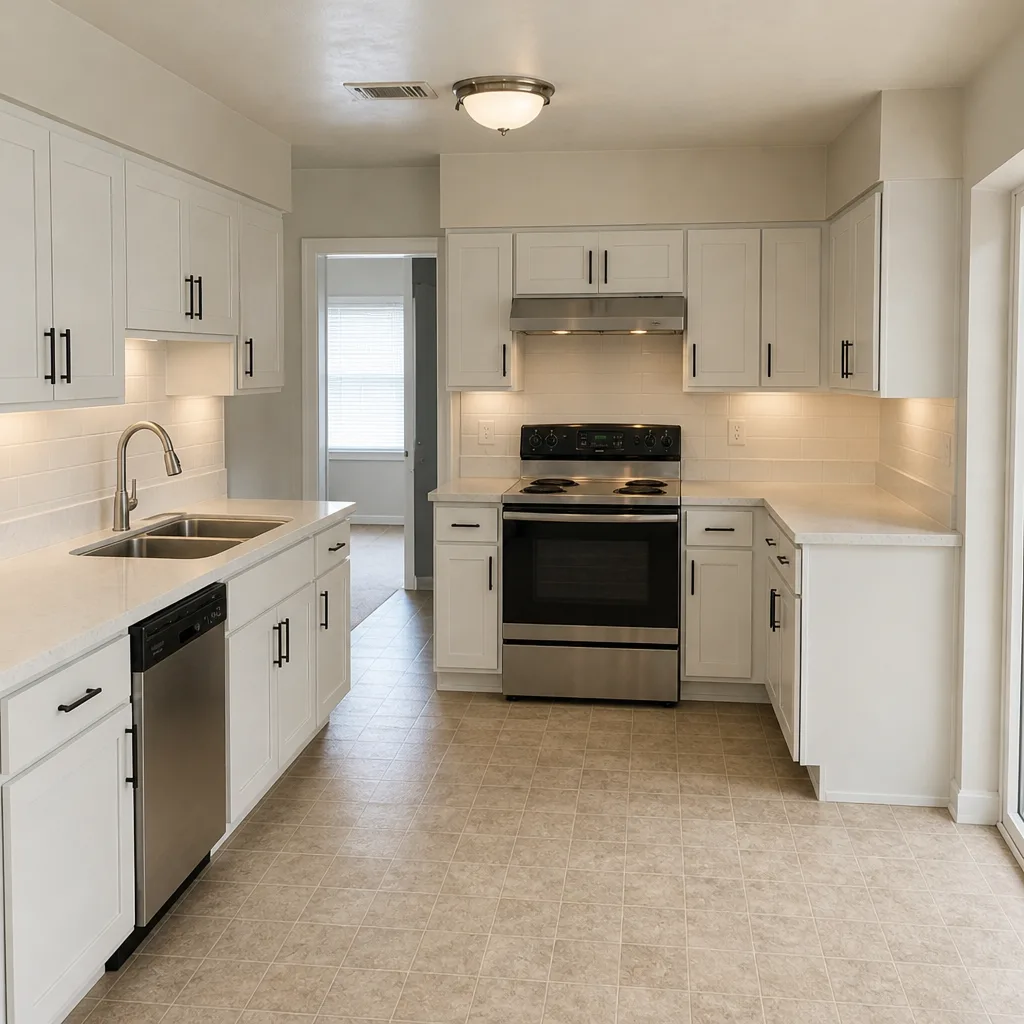 After
When to Call a Professional
Call a licensed professional when the work touches the foundation, the roofline, load-bearing walls, gas lines, the electrical panel, or the waterproofing layer in a wet area. Call when the manufacturer’s warranty requires licensed installation – which James Hardie siding, most window brands, and almost every cabinetry line do. Call when the project involves pulling a permit that requires a licensed contractor. And call when the job has a number on it above $10,000, because the do-over math on a project that size rarely works in DIY’s favor. We’ve watched Garland homeowners save real money by keeping cosmetic work in-house and outsourcing the rest. Our technicians have up to 22 years of experience and are background-checked, arrive in uniform, and work to a written price you receive before any work starts. Penhallow Remodeling Garland offers free estimates in Garland – call (844) 560-4146 to schedule yours. A live person answers, every time.
Frequently Asked Questions
Yes – Garland allows homeowners to pull permits for work on their own primary residence, including bathroom remodels, interior partitions, and fence replacement. The catch is that the permit holder is responsible for coordinating every inspection, and inspectors will not sign off on licensed trade work (electrical, plumbing, gas) unless it was done by a licensed professional. If any licensed trade is in scope, let the professional pull the permit. Call (844) 560-4146 for a free estimate if you’re unsure which category your project falls into.
DIY work itself doesn’t void your policy, but a claim arising from faulty workmanship is typically excluded. If a DIY installation fails and causes interior damage, your insurer can deny the claim on the grounds that the damage resulted from improper work rather than a sudden event. Confirm coverage with your insurer in writing before starting any DIY project that affects plumbing, electrical, or roofing. For anything in that category, a written contractor price is the safer path – call (844) 560-4146 for an exact quote.
A Garland bathroom remodel typically runs $9,000 to $28,000 for a mid-range scope, depending on whether the layout moves. A cosmetic refresh (tile, vanity, fixtures) sits at the lower end; a full gut with a new shower pan, plumbing relocation, and heated floor climbs toward the top. DIY savings on the same scope run 30 to 40 percent of labor cost – but only when the waterproofing and rough-in are done right. Call (844) 560-4146 for a written line-item price on your specific bathroom.
Keep demo, hauling, painting, and drywall in-house and hand structural, electrical, plumbing rough-in, and wet-area tile to a licensed professional. Choose one party to hold the permit, write out the scope split on a single page, and call the inspection before finishes go up. This split typically saves 15 to 25 percent of overall cost without shifting liability onto you. Call (844) 560-4146 to talk through where the line should fall on your project.
Often, yes. James Hardie siding, most window brands, and nearly every cabinetry line specify licensed installation as a condition of the warranty. Install it yourself and the product warranty is void even if the install was perfect. Confirm the warranty terms before buying. We work with products from KraftMaid, Wellborn, Cambria, Silestone, Caesarstone, Kohler, Moen, and James Hardie – each of which requires a licensed installer to keep its warranty intact. Call (844) 560-4146 for a free estimate on any of them.
Expansive clay soil swells in wet springs and shrinks in dry summers, which moves slab foundations and every finish attached to them. Small drywall and grout cracks are normal. Structural cracks, sheared tile, or doors that stop latching are signs of foundation movement that no finish-level repair will fix. Before laying new tile or flooring, have a professional evaluate the slab. Call (844) 560-4146 for a free second look if you’re not sure what you’re seeing.
The Bottom Line
The DIY-versus-professional decision in Garland comes down to three questions, not your skill level. Does the work touch the foundation, roofline, or a load-bearing element? Does it involve a licensed trade whose warranty requires professional installation? And if the job fails, does your insurance cover it? A “no” to all three puts you in DIY territory – paint, floors, fixtures, cosmetic remodels. A “yes” to any one of them is where the math turns and a licensed professional becomes the cheaper path. That’s the calculation we walk Garland homeowners through on every estimate.
Penhallow Remodeling Garland offers free written estimates with the price and guarantee in writing before any work starts. If your project touches the systems we’ve flagged in this guide, call (844) 560-4146 for a free estimate today.
Written by the team at Penhallow Remodeling Garland.