Last updated November 18, 2026


Free written scope consultation - allowances, timeline, and change-order rules on paper before a single trade is scheduled
Kitchen Remodeling Troubleshooting: Common Problems and How to Fix Them
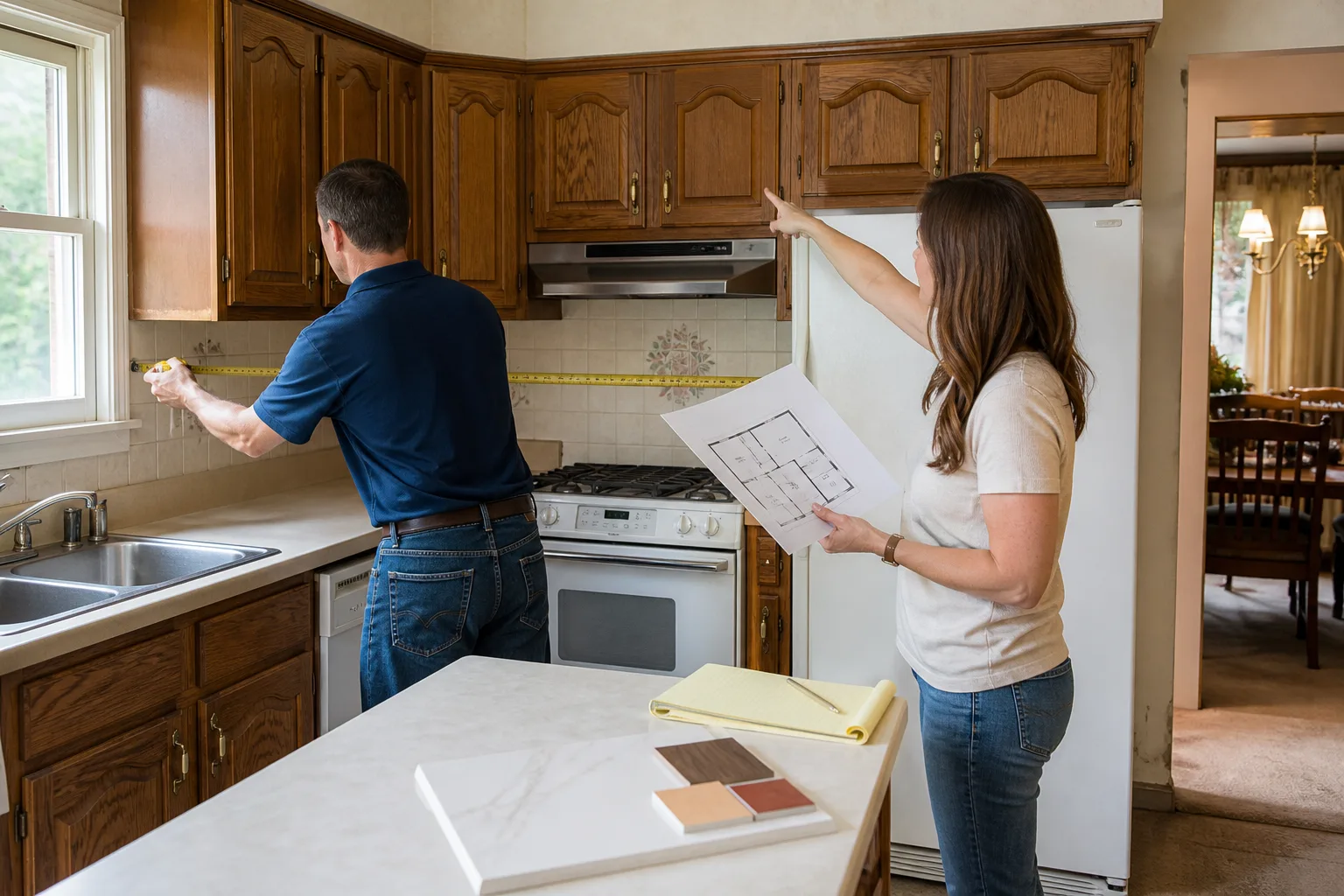
When a contractor opens your kitchen wall and says “we found something,” that moment is actually the second problem. The first problem was not having a written plan for exactly that scenario before demo started. In our experience, the expensive mid-project crisis is almost never a genuine surprise – it’s a predictable condition that nobody priced, scheduled or agreed on in advance. This guide walks through the five discoveries that derail Garland kitchen remodels most often, what a legitimate contractor’s response should look like, and how to read the fine print on your estimate so the number on day one is the number on the invoice.
Quick Answer
Most kitchen remodeling problems come from three sources: hidden conditions behind the walls (water damage, out-of-plumb framing, undersized wiring, asbestos, poor venting), installation errors (cabinet gaps, unlevel runs, countertops that don’t fit the template), and scheduling gaps between trades. The fix starts before demo: a written scope, a real contingency line, and a schedule that names who arrives when. A written guarantee that covers the work for a full year turns most post-project surprises into someone else’s problem.
Styles & brands we work with
- Kitchen remodeling
- Bathroom remodeling
- Home additions & ADU
- Roofing
- Windows & doors
- Driveway & pavers
- Fence
Table of Contents
- The five mid-project discoveries every Garland kitchen hits eventually
- What a contingency line really means (and how to spot a bait number)
- Cabinet installation problems: installer error vs. product defect
- The countertop template-to-install gap
- Why kitchen projects stall, and how a real schedule prevents it
- What the 365-day window should cover and how to document a claim
- Common mistakes to avoid
- When to call a professional
The five mid-project discoveries every Garland kitchen hits eventually
Garland’s housing stock spans a wide range of eras, and that shows up the moment the cabinets come out. Homes built in the 1960s and 1970s around neighborhoods like Forest Hills and Club Hill often have original galvanized plumbing, cast-iron drains, and two-wire electrical with no ground. Newer construction in Firewheel and the Sachse border looks tidier until you start chasing a vent or opening a soffit. Here are the five you should expect to discuss, and what a prepared contractor does about each.
- Water damage behind the sink or dishwasher. Slow leaks feed mold in the cabinet substrate and rot in the subfloor. The right response is to stop, photograph, and price the repair in writing before continuing – not to “work around it.”
- Out-of-plumb walls and out-of-level floors. A kitchen wall that leans half an inch over eight feet will make new cabinets look crooked. The fix is shimming and furring, sometimes sistering studs – planned and priced up front, not improvised.
- Undersized electrical circuits. A modern kitchen with a microwave, induction range, disposal and two countertop circuits can easily exceed an older panel’s capacity. A licensed electrician sizes the panel and pulls the permit; the general contractor coordinates it.
- Asbestos-containing materials in pre-1980 homes. Vinyl floor tile, mastic, and some joint compound can contain asbestos. Testing comes first; abatement by a licensed specialist follows. This is a schedule item, not a footnote.
- Insufficient venting. A downdraft or recirculating hood in a tight kitchen sends grease and moisture into the room. A direct-vent hood routed through the wall or roof fixes it – but the routing has to be designed before the cabinets are ordered.
For a deeper look at how a full project gets scoped from the start, see our Kitchen Remodeling in Garland page.
What a contingency line really means (and how to spot a bait number)
A contingency line is the amount in a written estimate set aside for conditions you can’t see until demo. A real one runs 10 to 15 percent of the construction cost on an older kitchen, 5 to 10 percent on a newer one. A bait number is anything under that – or a “contingency” that gets spent on the original scope instead of held in reserve.
Here’s how to tell the difference:
- Real: listed as a separate line, with a written explanation of what it can be spent on and what happens if it isn’t used.
- Bait: rolled into a lump sum, no line item, with a verbal promise that “we’ll only use it if we have to.”
- Real: the contractor triggers it with a written change order, with photos and a price, before doing the work.
- Bait: discovered over a phone call, priced after the work is already done, with no photos.
In a Garland kitchen remodel, a real contingency often gets tapped for something small: a rotted section of subfloor under the dishwasher, a missing GFCI, a surprise junction box. The point of the line isn’t that it gets used. It’s that you already agreed on how it works when it does.
Cabinet installation problems: installer error vs. product defect
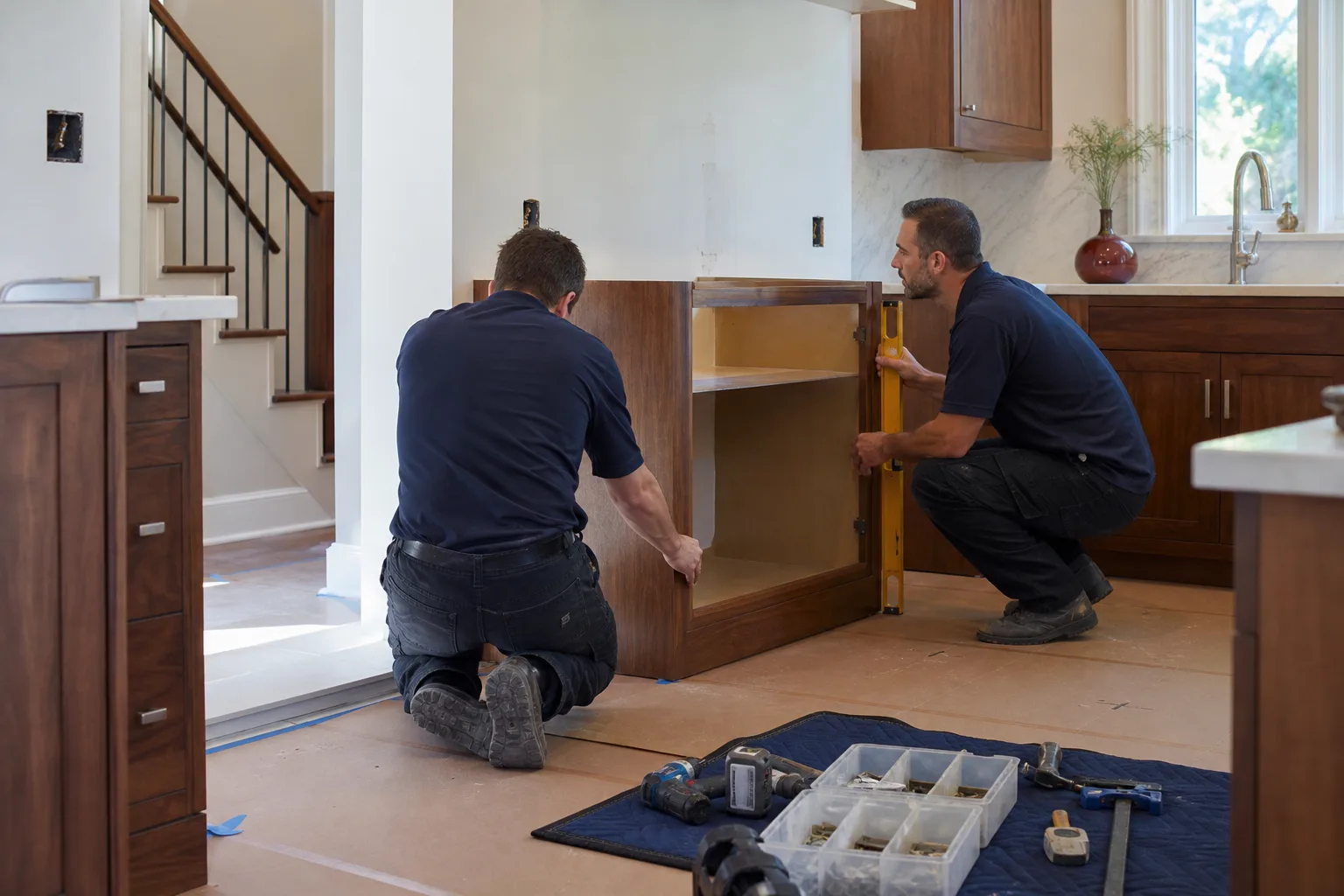
New cabinets that won’t sit flush, doors that rub, or drawers that bind after two weeks fall into two categories, and the fix is different for each. Knowing which one you have saves weeks of back-and-forth.
Installer error shows up as:
- Gaps between cabinet boxes that vary from top to bottom (the wall is out of plumb and wasn’t shimmed).
- A run that isn’t level over its full length (the installer trusted the floor instead of shimming to a level line).
- Doors that rub only on one side, from cabinet boxes that weren’t aligned before the doors went on.
- Crown molding that opens at a corner (the installer cut and fit without checking square).
Product defects show up as:
- A door or drawer face that’s warped from the factory.
- A drawer that binds even when the cabinet is perfectly level.
- Hinges or slides that fail within the first month on a cabinet that opens smoothly on a test pull at delivery.
The way to sort this at the start is to check boxes and doors at delivery, before installation. We install KraftMaid and Wellborn cabinetry, both of which have their own manufacturer warranties on top of what the contractor covers – so a genuine defect is a manufacturer claim, and an installation gap is the contractor’s to fix. A written price and a written guarantee keep that distinction clear.
The countertop template-to-install gap
Countertops are the single most common cause of a kitchen project stalling for a week or more, and the reason is almost always the same: the template happened before the cabinets were set, or the install was scheduled before the template was verified. This gap is preventable with a schedule, and it isn’t, without one.
Here’s how a good sequence runs:
- Cabinets are installed and verified level to within a small tolerance.
- A templater measures on site with a physical template or digital router. This happens after cabinet install, not before.
- The slab is cut and finished at the fabricator. Cambria and Silestone both run a week or more between cut and ready-to-install.
- Install happens only after the countertop is on site and checked against the template.
- Sink and faucet go in after the counter is set – not before.
When the sequence is right, the counter arrives when the schedule says it will. When it’s wrong, the counter arrives and the cabinets have moved an eighth of an inch, and you’re staring at a two-week delay while a new slab is cut. In Garland, we’ve watched this happen most often on jobs where the homeowner was sold “countertops included” without a written install date on the estimate.
Why kitchen projects stall, and how a real schedule prevents it
A kitchen remodel runs on a sequence of trades: demolition, rough-in plumbing and electrical, inspection, insulation and drywall, cabinet install, countertop template, countertop install, tile or backsplash, plumbing and electrical trim, paint, punch list. Any single trade that slips drags every trade behind it. That’s why a schedule isn’t a marketing document – it’s a sequencing agreement that names who arrives when.
The stalls we see most in Garland kitchens come from:
- An inspection scheduled without the rough-in actually complete.
- A cabinet delivery that wasn’t confirmed two weeks ahead.
- A countertop template taken before cabinets were locked in.
- Backsplash tile ordered after cabinet install, when lead time runs two weeks or more.
The fix is boring and it works: a written schedule with dates by trade, confirmed a week out, and a real arrival window on the day. The General Contractor in Garland page covers how the coordination side of a remodel actually runs. If your project also touches the bathroom, the same sequencing logic applies – see our Bathroom Remodeling in Garland page.
What the 365-day window should cover and how to document a claim
The first year after a kitchen remodel is when the work either holds up or shows its weak points. A guarantee that actually covers that window should list, in writing, what’s covered and what isn’t. Ours covers workmanship on every project through the 365-Day Done Right Promise, and we come back and fix a failed repair at no charge inside the guarantee period. That’s a written commitment, not a verbal one.
What a guarantee should cover:
- Installation failures (cabinet gaps that open, counters that shift, tile that pops, plumbing joints that leak).
- Workmanship issues (uneven grout lines, paint failures on properly primed surfaces, doors that bind from settlement of the install).
- Free return visit if a repair fails – no service call fee, no re-inspection charge.
What it usually doesn’t cover: manufacturer defects on cabinets, appliances, or countertops, which are handled under the product’s own warranty (KraftMaid, Wellborn, Cambria and Silestone all carry theirs). Normal wear and tear isn’t a claim, either.
How to document a claim so it moves fast:
- Photograph the issue in place, then zoom in on the problem. Include a tape measure or coin for scale.
- Write a short notice – two or three sentences – describing what failed, when it appeared, and which room.
- Keep the original estimate, the written change orders, and the guarantee document together. That’s your file.
- Call and describe the problem. Photos and a short description speed up scheduling a return visit.
None of this is complicated. It’s just easier when the paperwork exists before the issue does.
Common Mistakes to Avoid
- Accepting a verbal quote. A verbal number can change the moment demo starts. A written one can’t – not without a signed change order, and not without photos.
- Skipping the contingency line to hit a target price. The line isn’t a discount; it’s the difference between a handled surprise and a stalled project mid-demo.
- Not testing for asbestos before demo on a pre-1980 home. Garland has plenty of 1960s and 1970s homes where original vinyl flooring hides a much larger abatement problem than most homeowners expect.
- Ordering cabinets before checking the wall for plumb. Cabinet boxes installed against a leaning wall will look crooked no matter how good the cabinet is – and replacing the wall after the boxes are up is a full redo.
- Letting the countertop template happen too early. Template after cabinet install, not before. The countertop gap is the number one stall on kitchen projects in Garland and everywhere else.
- Filing a guarantee claim verbally only. Without photos and a written notice, a legitimate claim is harder to prove and slower to resolve.
- Buying appliances after cabinet order. Appliance dimensions and panel-ready configurations affect cabinet fabrication. Lock the appliances before the cabinet order is placed.
When to Call a Professional
Some kitchen issues look like weekend fixes and turn out to be permits-and-inspection jobs. If your project touches any of these, bring in a licensed general contractor: opening a load-bearing wall, replacing a gas range or rerouting gas lines, moving the sink or dishwasher drain, upgrading the electrical panel, or removing asbestos-containing materials. The plumbing and electrical trades alone require licensed, permitted work in Garland, and a general contractor pulls and passes the inspections so you’re not chasing the city yourself. A proper kitchen remodel also needs a written schedule naming the trades, a written price before any work starts, and a written guarantee covering workmanship for a full year. Penhallow Remodeling Garland offers free estimates in Garland – call (844) 560-4146 to schedule one. Our technicians have up to 22 years of experience, and every job is background-checked, uniformed, and backed by the 365-Day Done Right Promise.
See the difference
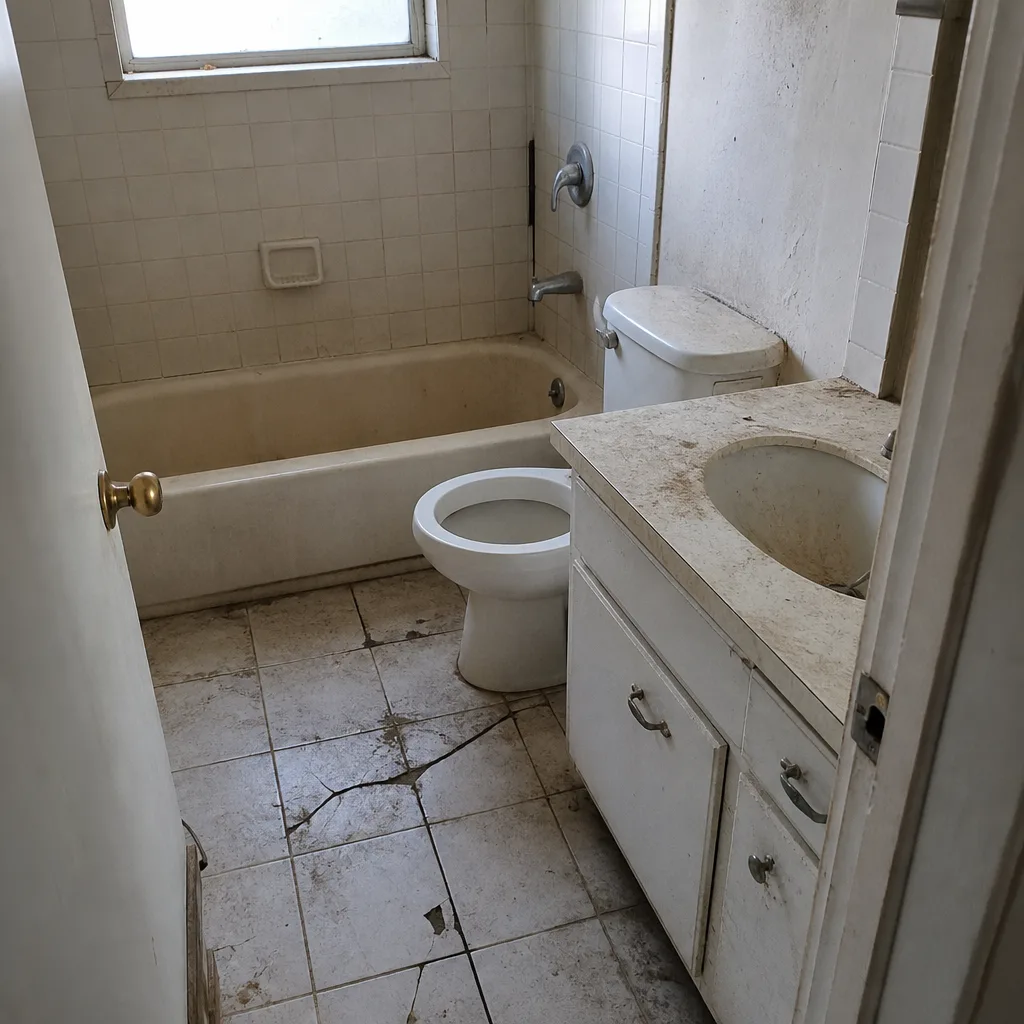 Before
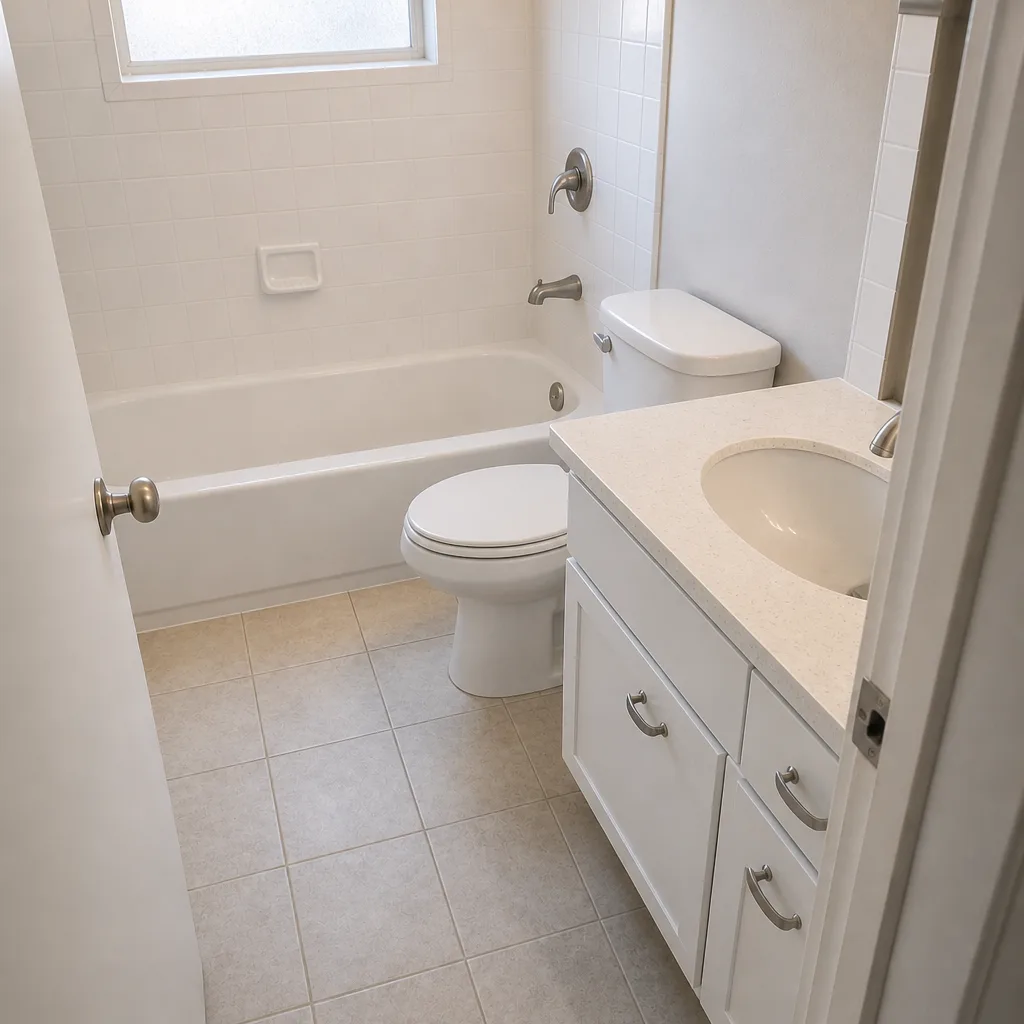 After
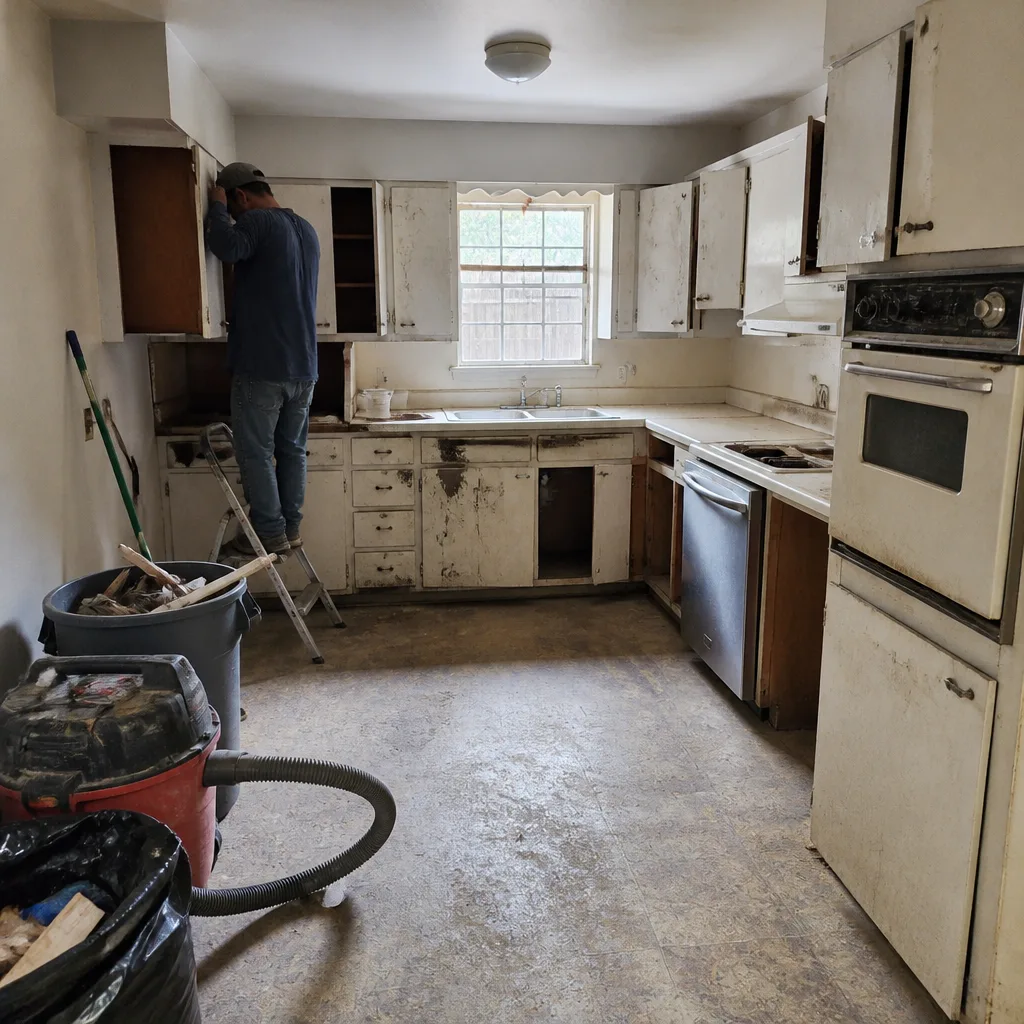 Before
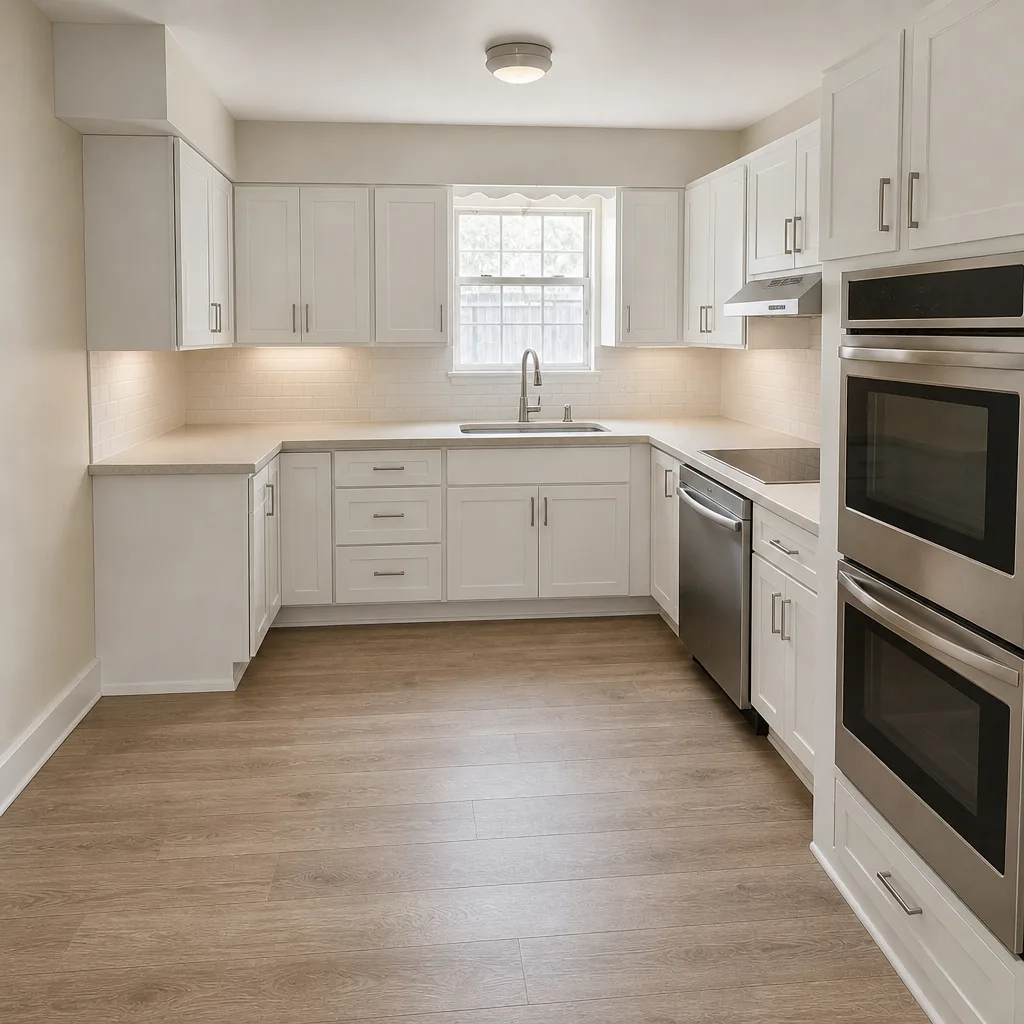 After
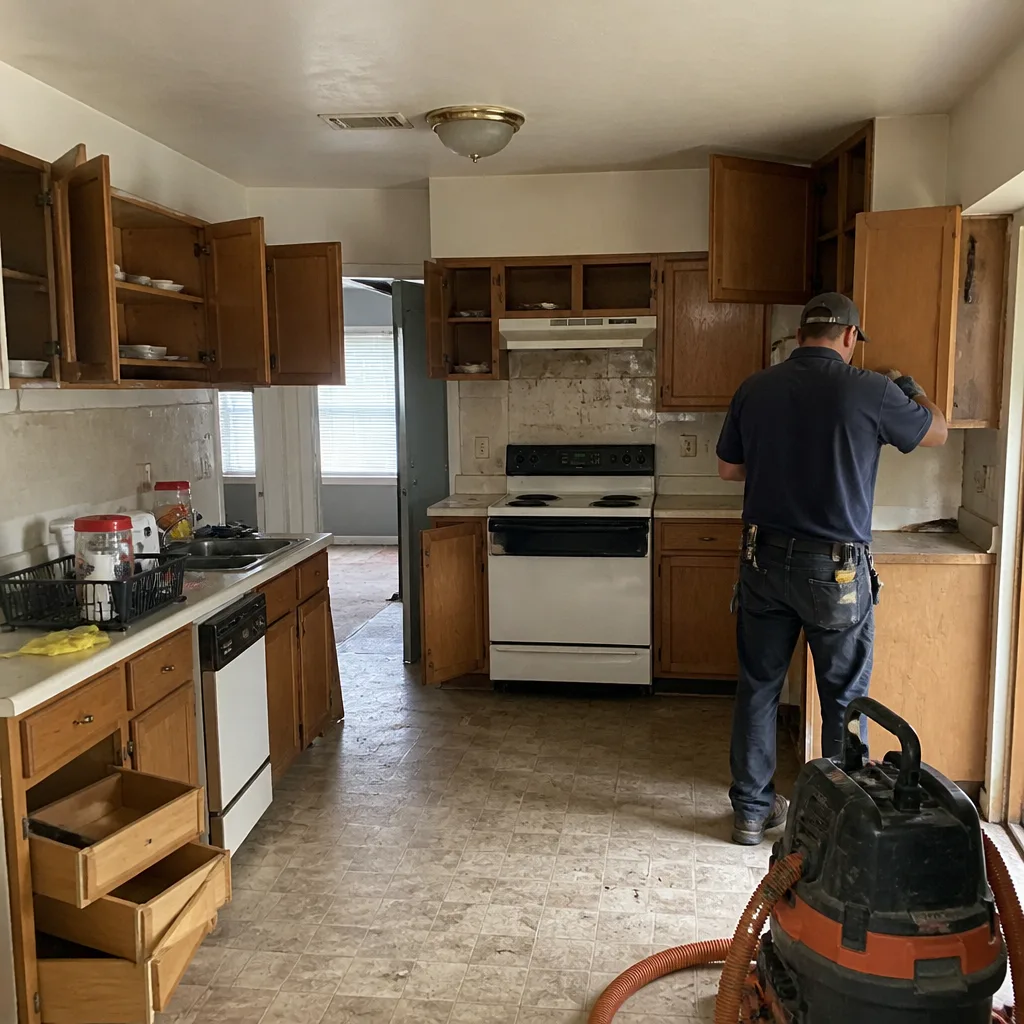 Before
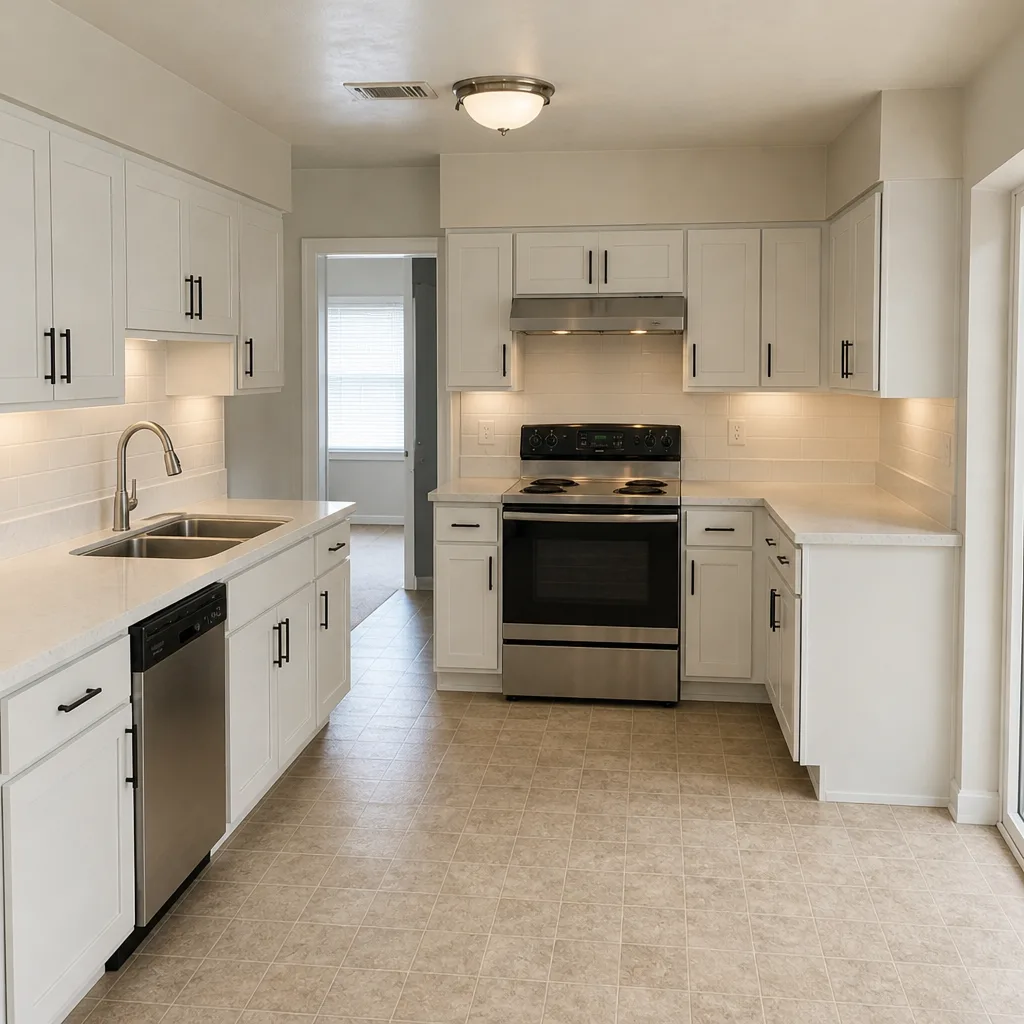 After
Frequently Asked Questions
Small mid-project fixes usually run $400 to $2,500 depending on the issue – a rotted subfloor section, an added GFCI, or a shimmed cabinet run. Larger discoveries (replacing an undersized panel, asbestos abatement, or sistering studs on an out-of-plumb wall) can run $3,000 to $12,000. The written response should land as a change order with photos before the work continues. Call (844) 560-4146 for an exact quote – estimates are free.
Only if a documented hidden condition is discovered and you sign a written change order for it. That’s what the contingency line is for. The number on day one should be the number on the invoice unless the scope changes in writing. Penhallow Remodeling gives every homeowner a written price before any work starts, so the fine print matters less because the headline is already clear. Call (844) 560-4146 to schedule a free estimate.
Yes – a licensed general contractor pulls the permits and passes the inspections for the work that requires them, including electrical, plumbing, and structural changes. If a contractor asks you to pull the permit as the homeowner, that’s a warning sign. Permits protect you at resale. Call (844) 560-4146 to talk through what your specific project needs.
A typical kitchen remodel runs six to ten weeks from demo to punch list, with the exact number driven by cabinet lead time, countertop fabricator schedule, and inspection timing. The stalls happen when the sequence slips, not when the work is slow. Get a written schedule with dates by trade before demo day. Call (844) 560-4146 for a free estimate on your kitchen.
If the gap varies top to bottom, that’s installer error – the wall wasn’t shimmed. If a door is warped or a drawer binds on a leveled cabinet, it’s likely a product defect under the manufacturer’s warranty. KraftMaid and Wellborn both handle defects on their side. Photograph the issue and call to schedule a return visit. Call (844) 560-4146 if you’re unsure which issue you’re looking at.
Workmanship on every project – installation failures, cabinet gaps that open, tile that pops, plumbing joints that leak, and paint or trim failures on properly prepped surfaces – plus a free return visit if a repair fails. It does not cover manufacturer defects on cabinets, counters, or appliances, which run on their own warranties. If something fails inside the year, we come back and make it right. Call (844) 560-4146 to report an issue or schedule a free estimate.
The Bottom Line
The expensive kitchen remodeling problems are almost never surprises. They’re predictable conditions in older Garland homes – water damage, out-of-plumb walls, undersized wiring, asbestos, poor venting – and the difference between a handled issue and a stalled project is what’s written down before demo starts. Ask for a written price, a real contingency line, a written schedule by trade, and a written guarantee that covers workmanship for a full year. A contractor who wants to give you those four things before picking up a tool is a contractor worth hiring; one who doesn’t is telling you something too. If you want to see how the process works across the whole home, start at our Penhallow Remodeling Garland home page – and when you’re ready, call (844) 560-4146 for a free estimate.
Written by the team at Penhallow Remodeling Garland.