Last updated November 18, 2026

Free written scope consultation - allowances, timeline, and change-order rules on paper before a single trade is scheduled
Kitchen Remodeling Warning Signs Every Homeowner Should Know
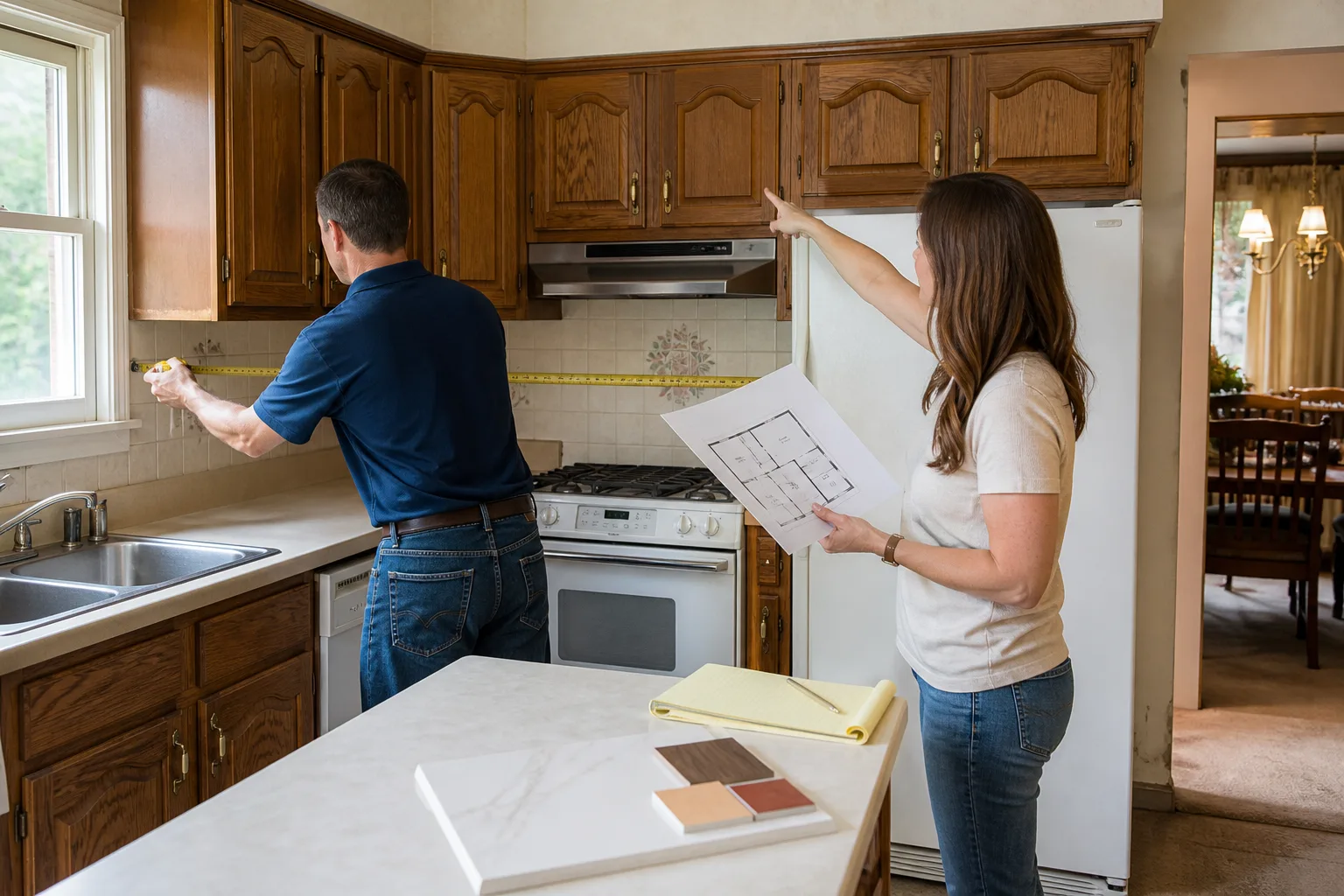
Every contractor who has ever left a homeowner with an unfinished kitchen seemed perfectly reasonable at the estimate meeting. They listened, they nodded, they had a folder. The red flags were never in their personality. They were in the paperwork – or the lack of it. We’ve walked into Garland kitchens mid-project more times than we’d like: cabinets sitting in boxes, a half-tiled backsplash, and a homeowner holding a one-page bid that says “kitchen remodel: $34,000” with no other detail on it. This guide is about catching that outcome early, at the estimate table, before demo day. You’ll learn the specific behaviors and contract omissions that predict trouble, and how to test them in twenty minutes.
Quick Answer
The clearest kitchen remodeling red flags are all observable before you sign: a bid with no line-item pricing, no written permit responsibility, no stated arrival windows, and no defined warranty scope. A contractor asking for more than 10 – 15% upfront on a large kitchen job, or who can’t tell you the name of the electrician doing your rough-in, is showing you how the project will go when something goes wrong. Judge the paperwork, not the handshake.
Styles & brands we work with
- Kitchen remodeling
- Bathroom remodeling
- Home additions & ADU
- Roofing
- Windows & doors
- Driveway & pavers
- Fence
Table of Contents
- The Contract Omissions That Predict Future Problems
- Why a Big Deposit Is a Structural Risk, Not Just Bad Manners
- “We’ll Figure It Out As We Go” and the Change-Order Trap
- Subcontractor Transparency: Who’s Actually Doing the Electrical and Plumbing?
- How to Test a Contractor’s Guarantee Before You Sign
- Pricing Signals: What a Real Garland Kitchen Bid Looks Like
- Schedule Language That Sounds Fine and Isn’t
The Contract Omissions That Predict Future Problems
A kitchen remodel contract doesn’t have to be forty pages. It does have to answer four questions in writing, and a bid that skips any of them is telling you something. In our experience across Garland, the same four gaps show up in nearly every dispute we’re called in to clean up.
- No line-item pricing. A lump sum of “$34,000” tells you nothing about what’s covered. A real bid breaks out demolition, cabinet line and installation, countertop material and fabrication, electrical rough-in, plumbing, tile, and finish work. When the number is one line, every later conversation becomes an argument about what was “included.”
- No permit responsibility clause. Someone has to pull the permit for electrical and plumbing changes, and the contract should say who. In Garland, kitchen electrical work and any relocated plumbing require permits and inspection, and an unsigned responsibility clause means it quietly becomes your problem – and your liability.
- No written arrival windows. “We’ll be there Monday” is not a schedule. A defined window, in writing, is the single best predictor of how a crew will treat your home for six weeks. A company that won’t commit to a window before the job won’t commit to one during it.
- No defined warranty scope. “We stand behind our work” is a feeling, not a guarantee. Ask what’s covered, for how long, and what triggers a return visit. If nobody can answer in a sentence, there’s no warranty – just a hope.
None of these gaps are about being nice. They’re about what happens in week five, when the countertop template comes back wrong and someone has to eat the cost. The contract decides that in advance. If you want to see what a written scope looks like on a real project, our Kitchen Remodeling in Garland page walks through the stages we commit to.
Why a Big Deposit Is a Structural Risk, Not Just Bad Manners
A deposit of more than 10 – 15% upfront on a large kitchen job is a warning sign about the contractor’s cash position, not just their manners. Here’s the logic: a healthy remodeling business funds materials through supplier accounts and progress payments. When a contractor needs 40% or 50% of your project value before anything is ordered, they’re often using your money to finish someone else’s kitchen. That works until it doesn’t, and when it doesn’t, it’s your cabinets sitting unordered.
In our experience in Garland, kitchen deposits cluster in a narrow band: enough to order cabinets and lock the schedule, not enough to leave you exposed if the company folds. A reasonable structure looks like this:
- 10 – 15% at signing to order materials and hold the start date.
- Progress payments tied to milestones – demo complete, cabinets set, countertops installed – each one written into the contract.
- A final payment held until punch list closes and inspection passes.
- Never a large cash payment with no invoice trail; you want every dollar documented.
Ask directly: “What does this deposit cover, and what’s the payment schedule after it?” A contractor who gives you a clear answer with milestones is telling you they’ve done this before and expect to finish. One who gets vague, or pushes for cash, has answered your question a different way. We put the price on paper before work starts, and the number on day one is the number on the invoice – that only works if the payment structure is written down too.
“We’ll Figure It Out As We Go” and the Change-Order Trap
“We’ll figure it out as we go” is the most expensive sentence in a kitchen remodel. It sounds flexible and collaborative. What it actually means is that cabinet layout, appliance specifications, and clearances haven’t been resolved before demo – and every unresolved decision becomes a change order once the walls are open.
Cabinet layout is the place this bites hardest. In Garland homes, we routinely see kitchens where the range and refrigerator clearances were never checked against the actual appliance spec sheets. A 36-inch refrigerator that needs a 38-inch opening will not fit the 36-inch cabinet you signed off on in month one. Resolve it before you sign:
- Get the actual appliance model numbers in writing, with spec sheets, before the cabinet order.
- Confirm the cabinet layout against those specs, wall to wall, including counter depth overlaps.
- Write any allowances – tile, lighting, hardware – into the contract with dollar caps.
- Agree in writing on how change orders get priced: hourly rate or line item, and who signs off.
A contractor who wants to sort this out on site is either inexperienced or planning to charge you later for the sorting. Either way, the kitchen schedule – and the budget – pays for it. This is exactly where our General Contractor in Garland approach puts the design decisions before the demo, so there’s nothing left to “figure out” when the walls come down.
Subcontractor Transparency: Who’s Actually Doing the Electrical and Plumbing?
If a general contractor won’t tell you who’s doing the electrical and plumbing in your kitchen, that’s a red flag with teeth. Those two trades are licensed and inspected for a reason, and a GC who’s cagey about naming their subs may be using unlicensed labor. On a kitchen remodel, that’s not a paperwork problem. It’s your permit and your insurance on the line.
Why it matters specifically in Garland: kitchen electrical work requires permits and inspection, and an unlicensed electrician can’t pull them. If the work goes in unpermitted, two things happen. First, the inspection never passes, and you carry that on the house when you sell. Second, if there’s a fire or a water leak traced to unpermitted work, your homeowner’s insurance can deny the claim. The savings the contractor captured by hiring cheap labor get transferred to you, years later.
Ask these questions at the estimate meeting and write the answers down:
- “Who is your electrician, and are they licensed?” You want a name and a license number you can verify with the state.
- “Who pulls the electrical and plumbing permits?” The answer should be specific and in the contract.
- “Will the same crew be on site throughout, or rotating subs?” Consistent crews mean fewer surprises.
- “Are your subs background-checked?” People working in your home for six weeks should be vetted.
Our technicians are background-checked, arrive in uniform, and come with up to 22 years of experience. The trades working under us are licensed, permitted, and inspected – that’s a standard we don’t bend, and it’s written into every job.
How to Test a Contractor’s Guarantee Before You Sign
You can test a contractor’s guarantee in one question, and the answer will tell you more than any reference call: ask them to describe a previous warranty claim they resolved. Not a customer who was happy – a claim. Every remodeling company has them. The difference is whether they have a process for handling them.
Listen for specifics. A real guarantee conversation includes the timeline, the trigger, and who pays. Vague answers are the tell. Here’s how to run the test:
- Ask for the claim story. “Tell me about a time a repair failed and you went back.” Watch whether they answer without flinching.
- Ask what the guarantee covers. Materials, labor, or both? For how long? What voids it?
- Ask what happens if a repair fails. Is there a return visit, a fee, a time limit on the call?
- Ask to see it in writing. A guarantee you can hold in your hand is worth ten verbal promises.
Our 365-Day Done Right Promise is straightforward: if the work fails inside the guarantee period, we come back and fix it at no charge, and it’s covered in writing on every project. If a repair fails, we schedule a free second visit, no service call and no re-inspection fee. That’s not a marketing line – it’s the answer to the question above, and we’re happy to be asked it at the estimate meeting. It’s one of the reasons homeowners in Garland call us back when the next project comes around, whether that’s a kitchen or a Bathroom Remodeling in Garland job.
Pricing Signals: What a Real Garland Kitchen Bid Looks Like
A bid that gives you ranges tells you more than one that gives you a single number. Kitchen remodels in Garland typically run $18,000 – $55,000 depending on layout, cabinet line, and countertop material – and the way a bid breaks that number up is itself a diagnostic. If it doesn’t break up, you can’t tell what you’re actually buying.
Here’s roughly what drives the spread, so you can sanity-check what you’re quoted:
- Cabinetry: stock versus semi-custom versus custom moves the number more than anything else, typically $5,000 – $20,000 depending on the line.
- Countertops: laminate to quartz to natural stone; quartz from Cambria, Silestone, or Caesarstone sits in the middle and carries its own manufacturer warranty alongside ours.
- Electrical and plumbing: relocating a sink or range adds real money and real permit scope.
- Layout changes: moving walls or opening up a footprint adds structural and inspection costs.
- Climate considerations: Garland’s humidity affects cabinet and countertop choices more than homeowners expect, and we design for it.
A bid that lists these line by line is one you can trust to stay put. Ours does, and that’s the whole point of the way we work. If you’re comparing bids from a few Garland contractors, this is the difference to look for – not the total at the bottom, but whether you can read the total and know what’s in it.
Schedule Language That Sounds Fine and Isn’t
“About six weeks” is not a schedule. On a kitchen remodel, schedule language is a window into how the contractor runs projects, and the loose version is almost always a tell. Here’s how to read what you’re told.
- “We’ll start the week of…” – Vague. Ask for a date, and ask what happens if it slips.
- “Six to eight weeks, give or take.” – Fine as a range. Ask which trade is the bottleneck and when cabinets are ordered, because that determines everything.
- “We’ll call you when we’re ready.” – No written window. You’ll be calling them.
- “Sometime in the morning.” – A real contractor commits to a defined arrival window. A one that doesn’t will be the team you wait on for six weeks.
We give a defined arrival window on every project and put it in the contract. That’s not a flourish; it’s the same promise we make on day one and keep on day thirty. When you’re planning around a kitchen you can’t cook in, a window you can hold someone to is worth more than an optimistic estimate.
Common Mistakes to Avoid
- Choosing the bid with the fewest pages. A thin bid isn’t a simpler project – it’s an unfinished one. The gaps get filled in later, with your money.
- Not verifying the permit. In Garland, kitchen electrical and plumbing changes need permits and inspection. If the contractor can’t show you the permit, you’re carrying the risk.
- Skipping the appliance spec check. Buying the fridge after the cabinets are ordered is how a kitchen ends up with a counter that doesn’t close. Get model numbers first, always.
- Paying a 50% deposit. Large upfront deposits shift risk to you. Stick to 10 – 15% at signing and milestone payments after.
- Taking “we stand behind our work” as a warranty. Ask what’s covered, for how long, and what happens on a return visit – then get it in writing.
- Not asking about the electrical and plumbing subs. Licensed, permitted, and inspected work is non-negotiable. Get names and license numbers.
- Trusting a schedule with no dates. “About six weeks” becomes ten when nobody wrote down a start date or an arrival window.
See the difference
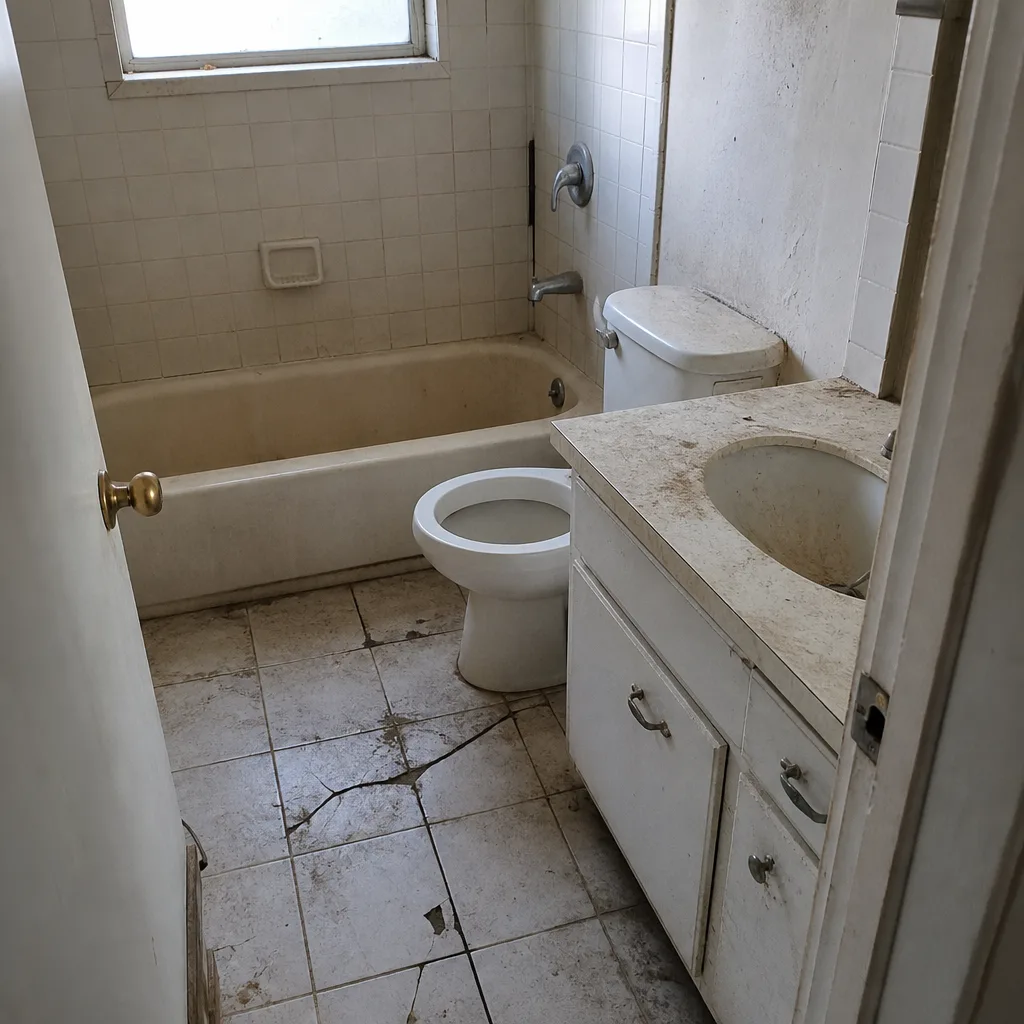 Before
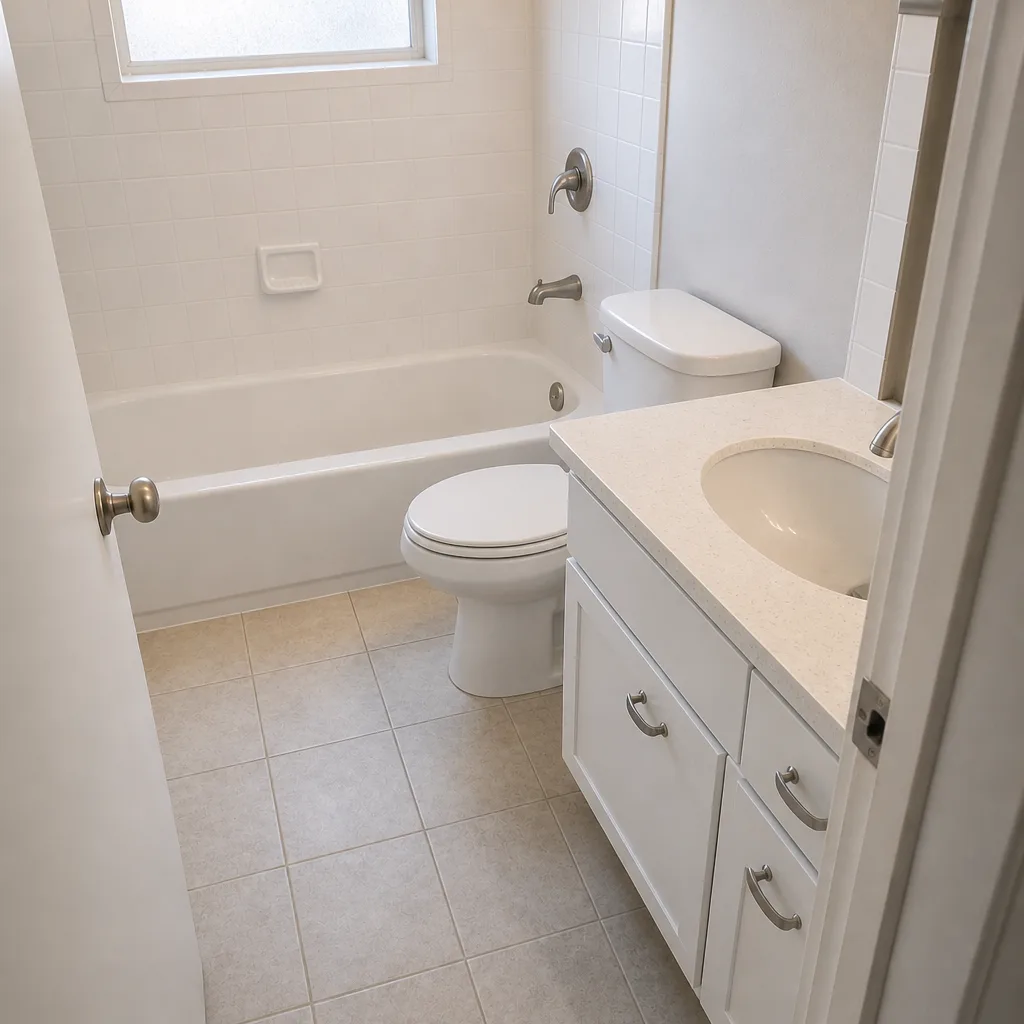 After
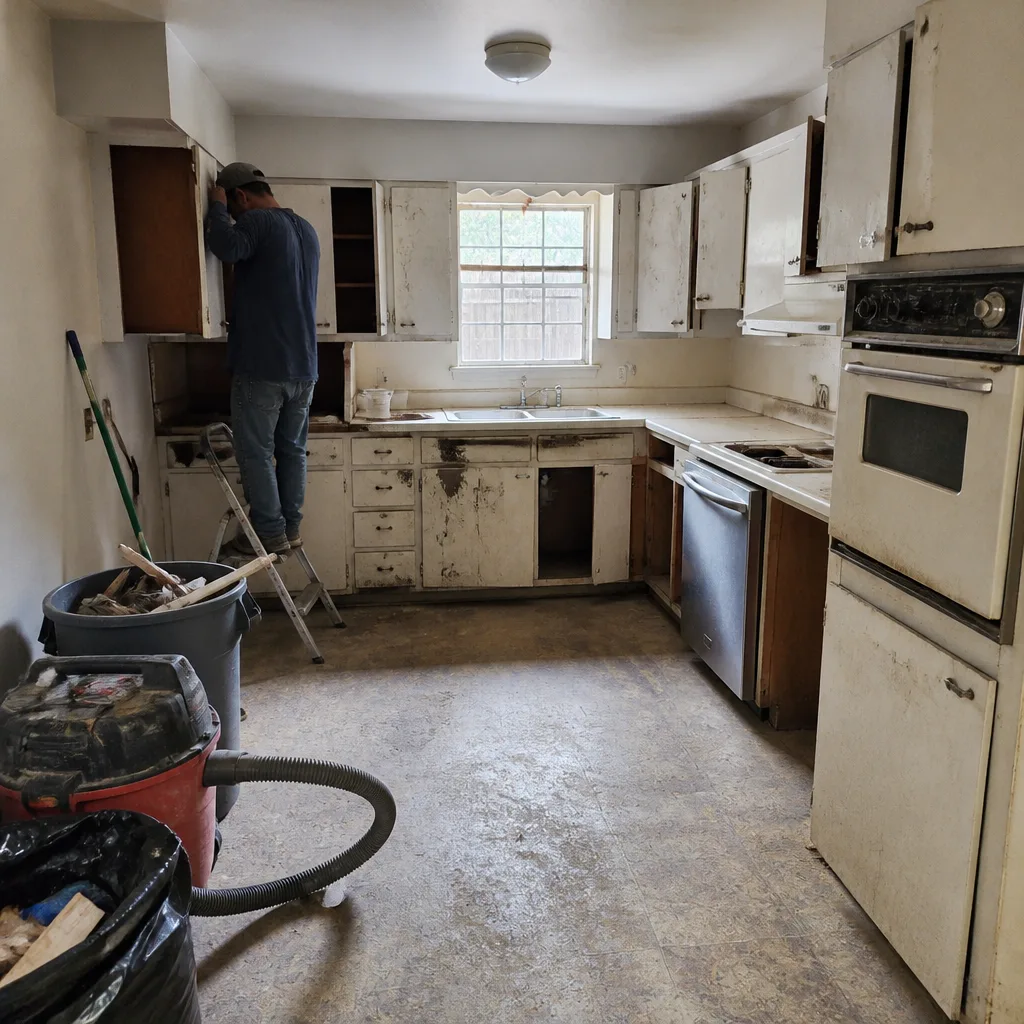 Before
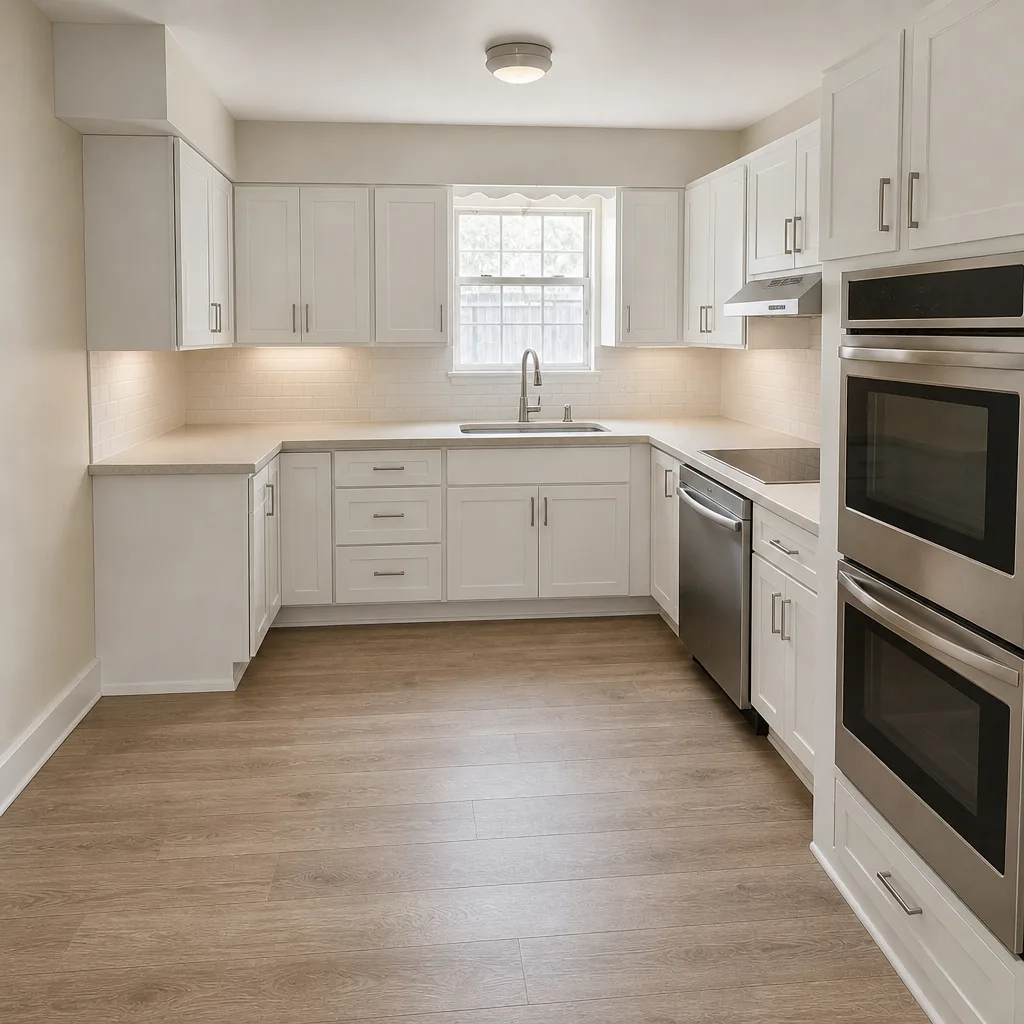 After
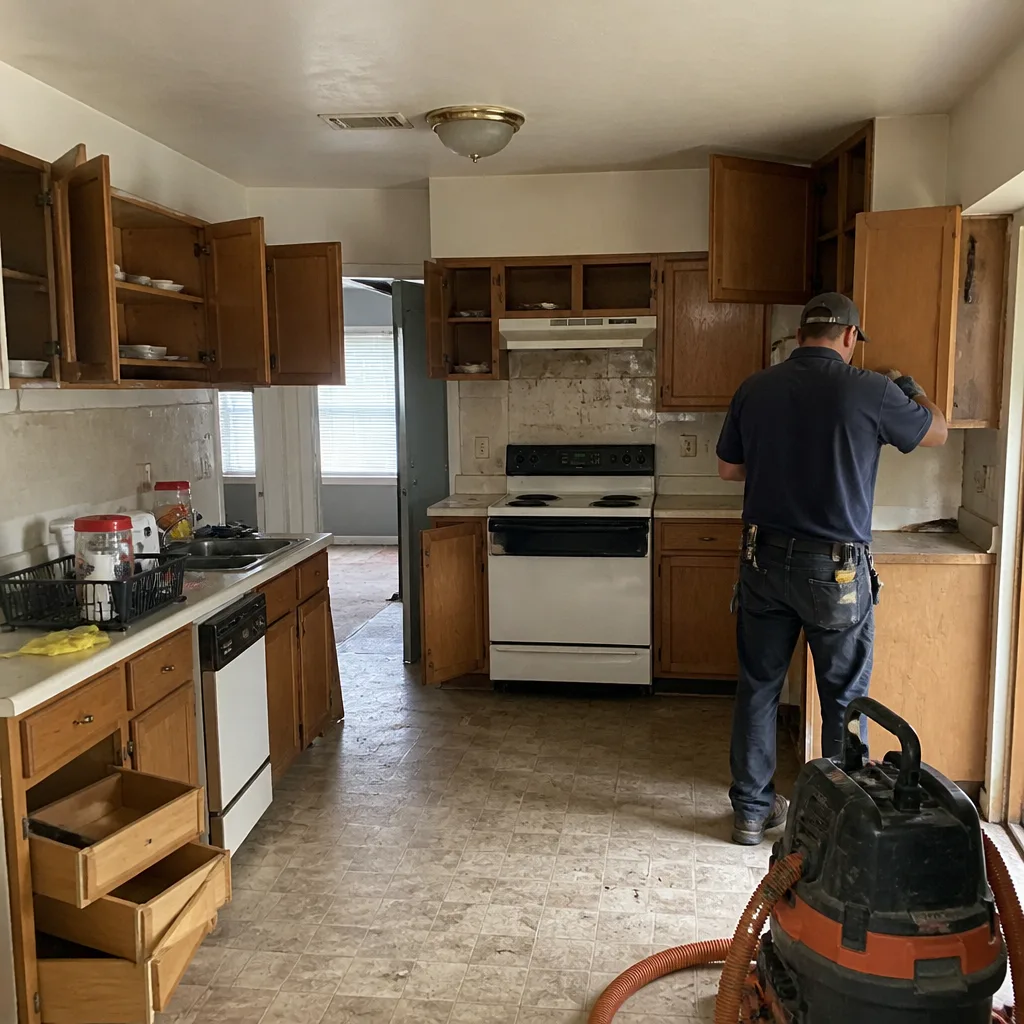 Before
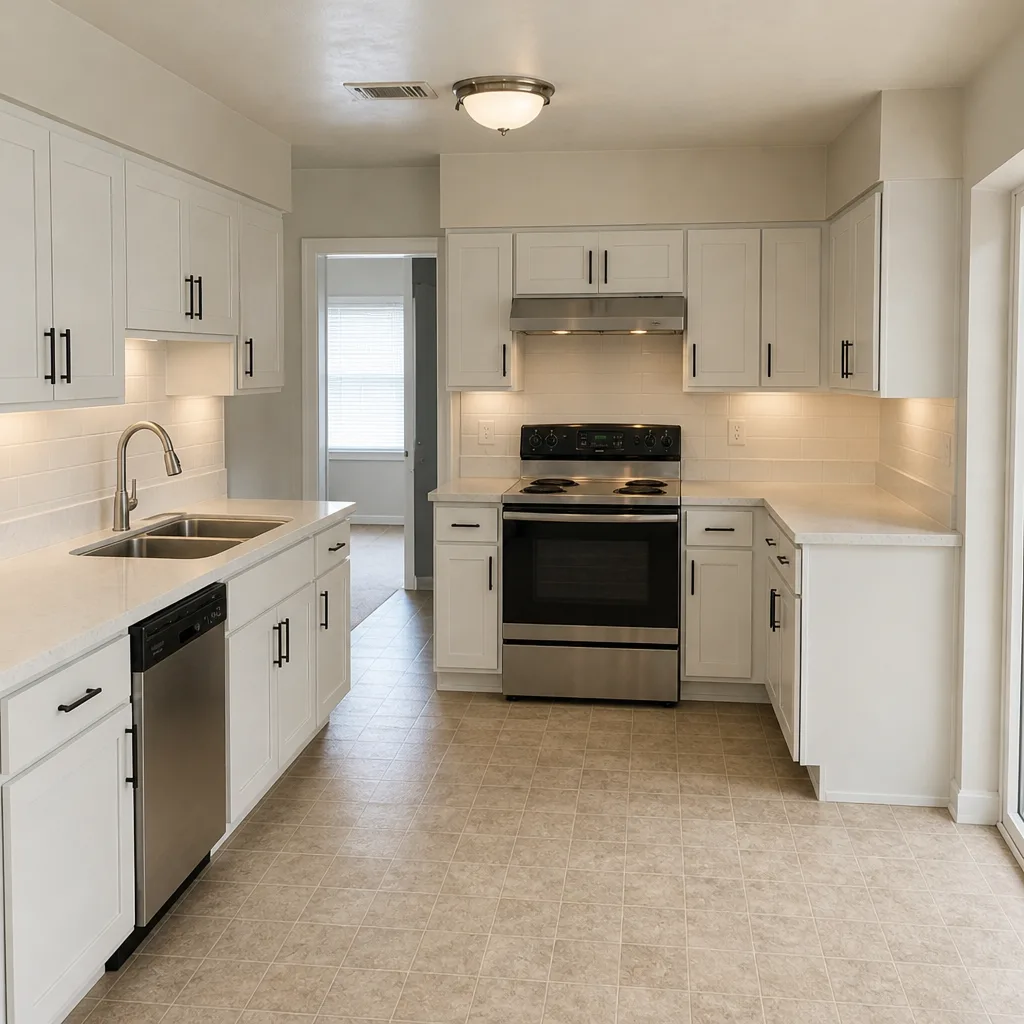 After
When to Call a Professional
Some of these warning signs you can catch yourself, and some you can’t. Call a professional when a bid has no line items, when the permit responsibility is unclear, when the electrical and plumbing subs aren’t named, or when the deposit request is well above 10 – 15%. Call before demo day, not after – the cost of a bad contract is nearly always higher than the cost of a second estimate. If you’re already mid-project and the schedule has slipped with no written reason, a second opinion on the contract is worth the call. Penhallow Remodeling Garland offers free estimates in Garland – call (844) 560-4146 and we’ll walk through your bid with you, no charge and no pressure.
Frequently Asked Questions
A bid with no line-item pricing is the biggest red flag. It tells you the contractor either hasn’t scoped the job in detail or doesn’t want to be held to specifics, and both of those become change orders once work starts. Ask for a broken-out bid and watch how they respond.
10 – 15% at signing is normal for a kitchen remodel in Garland, with the rest tied to progress milestones. Anything significantly above that shifts too much risk to you, and a contractor who pushes for 40 – 50% upfront is usually funding other work with your money. Ask what the deposit covers before you sign.
Yes. Kitchen electrical and plumbing changes require permits and inspection in Garland, and the contract should name who pulls them. If the contractor can’t answer, ask again, and don’t sign until it’s in writing. Unpermitted work can affect your insurance and a future home sale.
Most Garland kitchen remodels take six to ten weeks, depending on layout changes, cabinet lead times, and whether walls are moving. A contractor who gives you a range with no start date or arrival window is telling you the schedule is a guess, not a plan.
Ask them to describe a previous warranty claim they resolved, then ask for the guarantee in writing. A real one names what’s covered, for how long, and what happens on a return visit. Ours is the 365-Day Done Right Promise, and it’s on every project. Call (844) 560-4146 if you want to see it before you sign.
No. The lowest bid is often the thinnest, and the missing scope shows up as change orders after demo. Compare bids by what’s in them, not just the total. Call (844) 560-4146 for a second look at your bids – the estimate is free.
The Bottom Line
The warning signs that predict a bad kitchen remodel aren’t about whether the contractor seems nice. They’re in the estimate: no line items, no permit clause, no arrival windows, no warranty scope. They’re in the deposit request, in the “we’ll figure it out as we go” language, and in the refusal to name the electrician and plumber. Test the guarantee before you sign by asking for a previous claim story, and watch what happens next. A kitchen remodel is one of the largest spends a homeowner makes, and the paperwork is where the experience is decided. Judge that, not the handshake – and if you’re in Garland, we’re happy to look at your bids with you.
Ready for a written price before any work starts, a real arrival window, and a 365-day promise to make it right? Visit Penhallow Remodeling Garland home or call Penhallow Remodeling Garland at (844) 560-4146 for a free estimate. A live person answers, day or night.
Written by the team at Penhallow Remodeling Garland.