Last updated November 18, 2026

Free written scope consultation - allowances, timeline, and change-order rules on paper before a single trade is scheduled
DIY vs Professional Kitchen Remodeling: What’s Safe to Do Yourself
Painting cabinets yourself can save $1,200. Moving a gas line yourself can cost you your homeowner’s insurance policy. Those two tasks can feel equally manageable on a Saturday morning with a YouTube tab open in the background, and that’s exactly the trap. The gap between them has nothing to do with how handy you are and everything to do with permits, load-bearing elements, and work that sits upstream of things you can’t undo. We’re Penhallow Remodeling, and we work on kitchens across Garland every week. This guide gives you the honest task-by-task line so you spend your DIY hours where they actually pay off.
Quick Answer
Painting, hardware swaps, backsplash tile, and finish carpentry are genuinely safe DIY work in a Garland kitchen. Anything that touches electrical, plumbing, or gas requires a licensed professional under Texas law, not just good judgment. Cabinet installation and any wall or beam changes sit in the gray zone, where the deciding factors are permit requirements and whether the change is load-bearing. The right question isn’t “am I skilled enough?” It’s “does this task need a permit, move a load-bearing element, or sit upstream of work that’s expensive to redo?”
Styles & brands we work with
- Kitchen remodeling
- Bathroom remodeling
- Home additions & ADU
- Roofing
- Windows & doors
- Driveway & pavers
- Fence
Table of Contents
- The Three-Question Framework for Any DIY Task
- Safe to Do Yourself: Painting, Hardware, and Finish Work
- The Gray Zone: Cabinet Installation and Wall Changes
- Where Texas Law Draws the Line: Electrical, Plumbing, and Gas
- The Hidden Cost of DIY Mistakes in Garland Kitchens
- The Permit Reality Nobody Warns You About
- The Hybrid Project: How to Split Scope and Save Real Money
- How to Write the Scope Split Into a Contract
The Three-Question Framework for Any DIY Task
Before you pick up a tool, run the task through three questions. They sort almost every kitchen job faster than a skill self-assessment ever will.
- Does this require a permit in Garland? Electrical circuits, plumbing rough-in, gas lines, structural changes, and new ventilation all do. Painting does not. The City of Garland’s building department enforces this, and inspection failures come back on you, not the previous owner.
- Does this touch a load-bearing element? Removing a wall between a kitchen and dining room is the classic example. The question isn’t whether the wall looks solid; it’s what’s holding up the ceiling above it. A licensed contractor or structural engineer answers that, and it’s not a guess you want to make from a how-to video.
- Is this upstream of work that can’t be easily undone? If a mistake here means tearing out finished cabinets, tile, or drywall to reach it, the task belongs to a professional. Rough-in plumbing behind a wall is the textbook case. A cabinet pull is not.
Run those three questions and a surprising amount of the anxiety disappears. Painting your own cabinets in a Garland ranch home carries no permit, no structure, and no upstream risk. Moving a gas range line carries all three in varying degrees. Same Saturday, completely different stakes.
Safe to Do Yourself: Painting, Hardware, and Finish Work
This is where DIY actually earns its keep, and the savings are real. Painting cabinets in a typical Garland kitchen runs $400-$900 in materials versus $2,500-$5,000 to have it done professionally. That’s the kind of gap that justifies a few weekends of sanding and priming.
Tasks that are genuinely safe to handle yourself:
- Cabinet painting and refinishing. Sand, prime, paint. It’s tedious, not dangerous. The one catch: proper prep matters more than the paint brand. Skip the deglossing step and the finish peels within a year.
- Hardware swaps. Pulls, knobs, hinges. You’ll need a jig or a steady hand for new hole spacing, and the old holes need filling. No permit, no risk.
- Backsplash tile. A common first-tile project. Setting tile behind a range isn’t structural and doesn’t touch mechanical systems. Plan for the cement board substrate (the moisture-resistant layer behind the tile) and give yourself time; grout lines reward patience over speed.
- Finish carpentry and trim. Baseboard, shoe molding, crown. No mechanical or structural implications.
- Cabinet interior organization. Drawer dividers, pull-out shelves, lighting strip installs on existing outlets.
A word of warning on the last one: adding a under-cabinet light strip that plugs into an existing outlet is fine. Hardwiring a new circuit for it is not, and that distinction trips up a lot of otherwise careful homeowners. We see it constantly in Garland’s older housing stock near the downtown square, where the wiring is decades old and every added circuit is a chance to overload something that was never designed for it.
The Gray Zone: Cabinet Installation and Wall Changes
Cabinet installation is where skill level genuinely matters, so this is the section where we tell you to be honest with yourself. Hanging cabinets isn’t a licensed trade, and plenty of homeowners do it well. The failure cases are almost always the same: studs that don’t align with cabinet boxes, a run that’s out of level by a quarter inch, and a dishwasher opening that no longer fits once the cabinets are in.
Cabinet installation is worth doing yourself if all of these are true:
- You’re replacing like-for-like against the same wall layout, with no plumbing or electrical reconfiguration.
- You’re comfortable finding studs reliably, using a level, and hitting precise measurements.
- The cabinet line you’re buying (KraftMaid and Wellborn both publish detailed installation guides) has clear instructions you’re willing to follow.
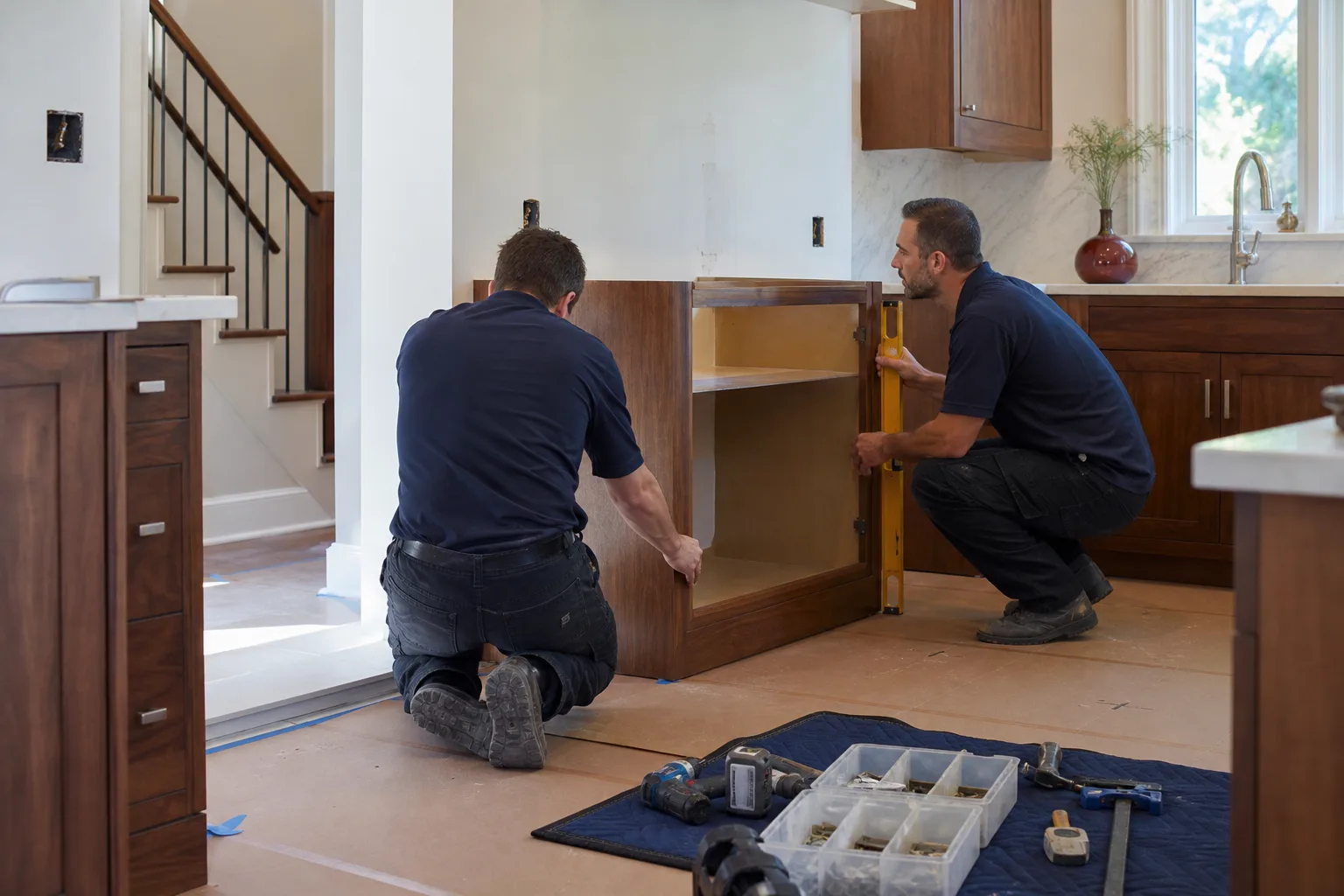
- You have a second set of hands. Hanging upper cabinets alone is how people get hurt.
Handle it professionally if you’re changing the layout, adding an island, or moving the range or sink. Those move plumbing and electrical, and the moment you do that, you’re past the gray zone. Wall changes are simpler to call: any wall removal needs to be verified as non-structural first. In our experience, Garland homeowners assume more walls are cosmetic than actually are. If you want a real evaluation of the structural question before you swing a sledgehammer, a licensed general contractor in Garland can tell you what you’re dealing with in a single walk-through.
Where Texas Law Draws the Line: Electrical, Plumbing, and Gas
Texas doesn’t treat plumbing and electrical as a “use your best judgment” category. State law requires a licensed plumber for plumbing work and a licensed electrician for electrical work, and the Texas State Board of Plumbing Examiners and the Texas Department of Licensing and Regulation enforce those requirements. This isn’t a liability preference, a contractor upselling you, or something you can waive by signing a form. It’s a legal line, and crossing it can void your homeowner’s insurance on a claim related to that work.
Where it matters in a kitchen:
- Electrical. Adding circuits, moving outlets for a new cabinet layout, installing new lighting, upgrading to a dedicated range circuit. All licensed work.
- Plumbing. Relocating a sink, adding a dishwasher drain, moving a refrigerator water line inside a wall. Licensed plumber, and the sink move typically triggers a permit and inspection.
- Gas. Moving a gas range, converting an electric range to gas, adding a gas line for any appliance. Licensed plumber or licensed gas fitter, and in most Garland cases, a permit and inspection.
We tell our Garland customers the same thing every time: the gas line is the one where we won’t work around unpermitted self-installation. Gas leaks are invisible, and “I didn’t smell anything” is not a test. If you’re replumbing behind the wall or running a new circuit, that’s where the licensed trades earn their fee, and it’s money well spent.
The Hidden Cost of DIY Mistakes in Garland Kitchens
Here’s the part that rarely makes it onto a DIY guide: the premium a professional charges to fix or work around a homeowner’s partial attempt. It’s real, it’s common, and it usually catches people off guard on the estimate.
What it looks like in practice:
- Partial demolition. A homeowner pulls out cabinets and finds a load-bearing header behind them. Now the contractor is figuring out what’s holding up the ceiling, and the estimate climbs. That’s $1,500-$4,000 in unforeseen structural work that wasn’t on anyone’s radar a week earlier.
- Improperly installed tile. Tile set without the right substrate or sealant has to come off. Removing and redoing a backsplash adds $800-$2,000 to the bill.
- Electrical work that fails inspection. Here’s the one that really stings. Electrical or plumbing work that doesn’t pass inspection can require full removal and redo at your expense. The inspector doesn’t care that you did your best; the work comes out and a licensed pro redoes it, and you pay for both.
- Cabinet installation that’s out of level. Cabinets that don’t sit true have to come down and go back up. A contractor repricing this job builds in a correction allowance because the original boxes can’t be trusted.
In our experience, the correction premium runs 15-30% above the cost of doing the same task correctly the first time. If you’re honest about the risk on each task before you start, you keep that money. If you’re not, it comes out of your kitchen budget one way or another.
The Permit Reality Nobody Warns You About
Permits cost money and take time, which is why so many DIY guides skip the topic. We don’t blame you for wanting to skip them too, but the permit is often the cheapest insurance in the project.
What triggers a permit in Garland:
- Any new or relocated electrical circuit, including dedicated circuits for a new appliance.
- Plumbing rough-in for a sink relocation or new fixture.
- Gas line installation or relocation.
- Structural changes, including wall removal or new openings.
- New ventilation or range hood work in most cases.
What does not trigger a permit: painting, cabinet hardware, cosmetic tile, trim, and replacing fixtures on existing rated connections.
The inspection piece matters because it’s the failure mode most homeowners don’t see coming. A failed inspection on your own electrical work isn’t a warning; it’s a mandatory removal and redo. We’ve walked into Garland kitchens where the homeowner had spent a full weekend wiring a new under-cabinet circuit, and the inspection failed on a detail they didn’t know existed, and they ended up paying a licensed electrician for the same job plus the demo. Pull the permit, get the inspection, and let a licensed trade sign off on the work. The paperwork is the guarantor, not the obstacle.
The Hybrid Project: How to Split Scope and Save Real Money
The most valuable thing we can tell you about DIY is that the answer isn’t all-or-nothing. Most of our Garland customers who save real money do it through a hybrid project, where they handle prep and finish work and let licensed trades handle the mechanical work.
How a hybrid kitchen project usually breaks down:
- You take on: demolition of existing cabinets (after confirming which walls are non-structural), painting, hardware, backsplash tile, trim, painting the ceiling, and finish carpentry.
- Licensed trades take on: electrical rough-in, plumbing relocation, gas line work, and inspection sign-off.
- The contractor manages: ordering cabinets, coordinating the trades, permit pulling, and final installation of the more complex pieces.
Done this way, a typical Garland kitchen project saves $3,000-$8,000 on the labor line, especially if you’re handling the painting and trim yourself. The catch: the sequencing has to be right. If you demo before the electrical rough-in is approved, you’re doing step one twice, and the trades charge you for the return visit. Material choice matters here too. A hybrid project works best with a cabinet line that installs cleanly and predictably, and KraftMaid or Wellborn both hold up well under a schedule that has a few more moving parts than a single-contractor job. The finished quality of a hybrid project depends as much on the mid-project discipline as the individual trades.
How to Write the Scope Split Into a Contract
The hybrid approach only protects you if the split is written down. This is where a verbal handshake falls apart, and it’s a failure mode we see too often in Garland kitchens. Two rules:
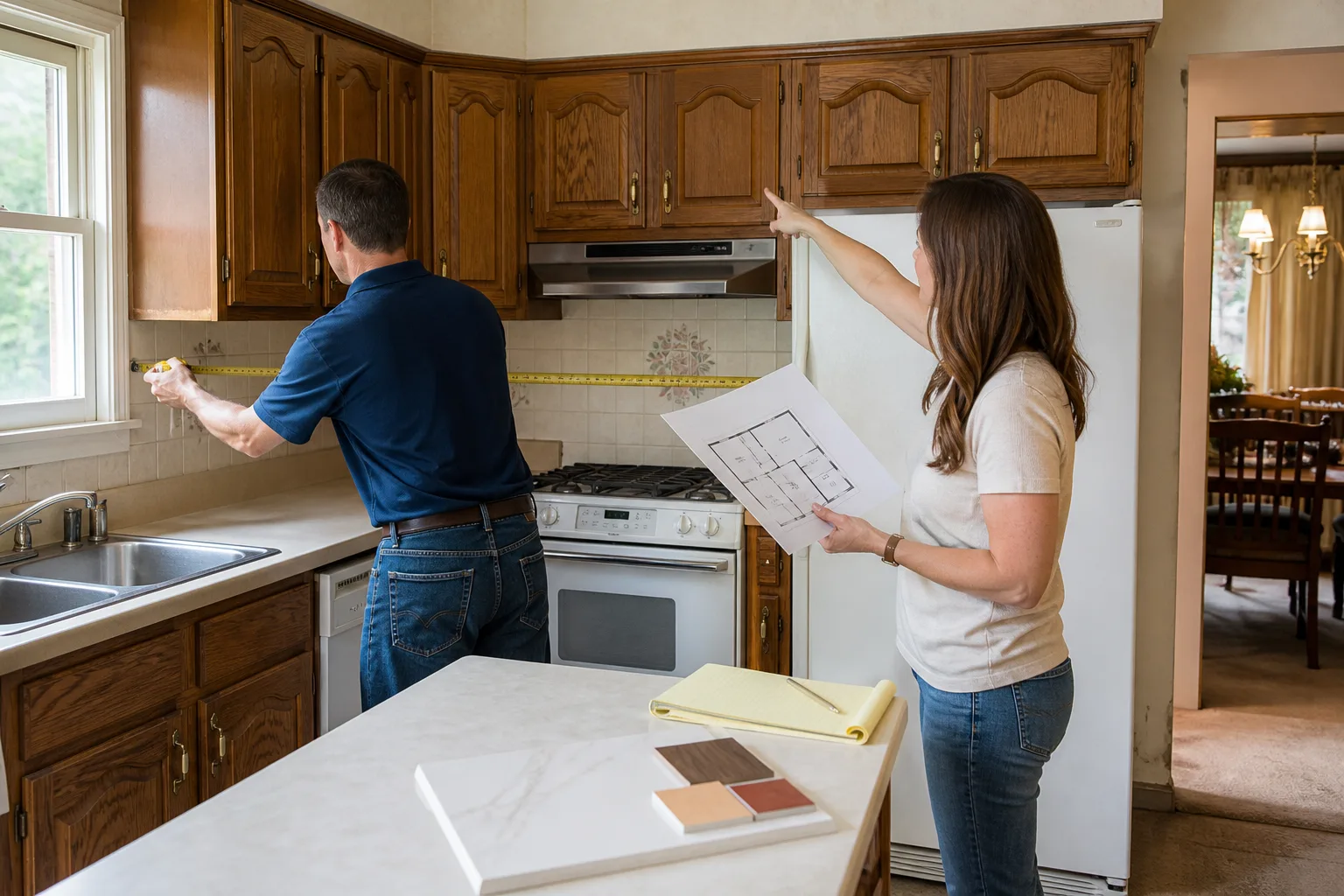
Rule one: name every task explicitly. Don’t write “homeowner responsible for demo.” Write the specific tasks, room by room. “Homeowner will remove existing lower cabinets and backsplash tile in the kitchen prior to the start date. Contractor will perform all electrical rough-in, plumbing relocation, and permit coordination.” If a task isn’t named, nobody owns it, which means it falls to whoever shrugs first.
Rule two: tie the schedule to the split. Your contractor needs to know when their crew can start, and that depends on when your demo is finished and the rough-in is approved. Put dates or at least a sequencing list in the contract. “Contractor will begin after electrical rough-in inspection is passed” is the kind of clause that keeps the job on schedule.
We put every scope split in writing as part of our standard process, because the entire point of a written price and written guarantee is that everyone knows who’s responsible for what before the first cabinet comes down. If you’re assembling a hybrid project and you want to see where the line actually lands for your specific kitchen, the kitchen remodeling in Garland page walks through a full project from first walkthrough to final walkthrough. And if your project edges into the bathroom, the same hybrid logic applies to a bathroom remodeling in Garland, with even less DIY margin given how much of the square footage sits behind tile and plumbing.
Common Mistakes to Avoid
- Removing a wall before confirming it’s non-structural. In Garland’s older homes around the square, walls often carry more load than they appear to. A licensed contractor or structural engineer can answer the question in an hour; a failed guess can add thousands.
- Wiring a new circuit yourself and assuming it’ll pass. In Texas, unpermitted electrical can fail inspection and require full removal at your expense. It’s the single most common DIY decision we’ve had to unwind.
- Demoing before the rough-in is approved. If you tear out cabinets before electrical and plumbing are signed off, you’re paying for a second demo. Sequence matters more than speed.
- Skipping the deglossing step on cabinet paint. Paint peels inside a year in Garland’s summer humidity. Prep is 70% of the job.
- Hanging upper cabinets alone. This is the injury category most homeowners don’t take seriously. A single 30-inch upper cabinet weighs enough to put a person in the hospital.
- Running a new gas line without a licensed plumber. It’s illegal in Texas, it can void your homeowner’s insurance, and the failure mode is invisible. This is the one exception where we have no patience for DIY creativity.
- Forgetting the permit timeline in the project schedule. Garland inspections take a few business days to schedule. If your schedule doesn’t leave room for them, you’ll be the reason the job slips.
See the difference
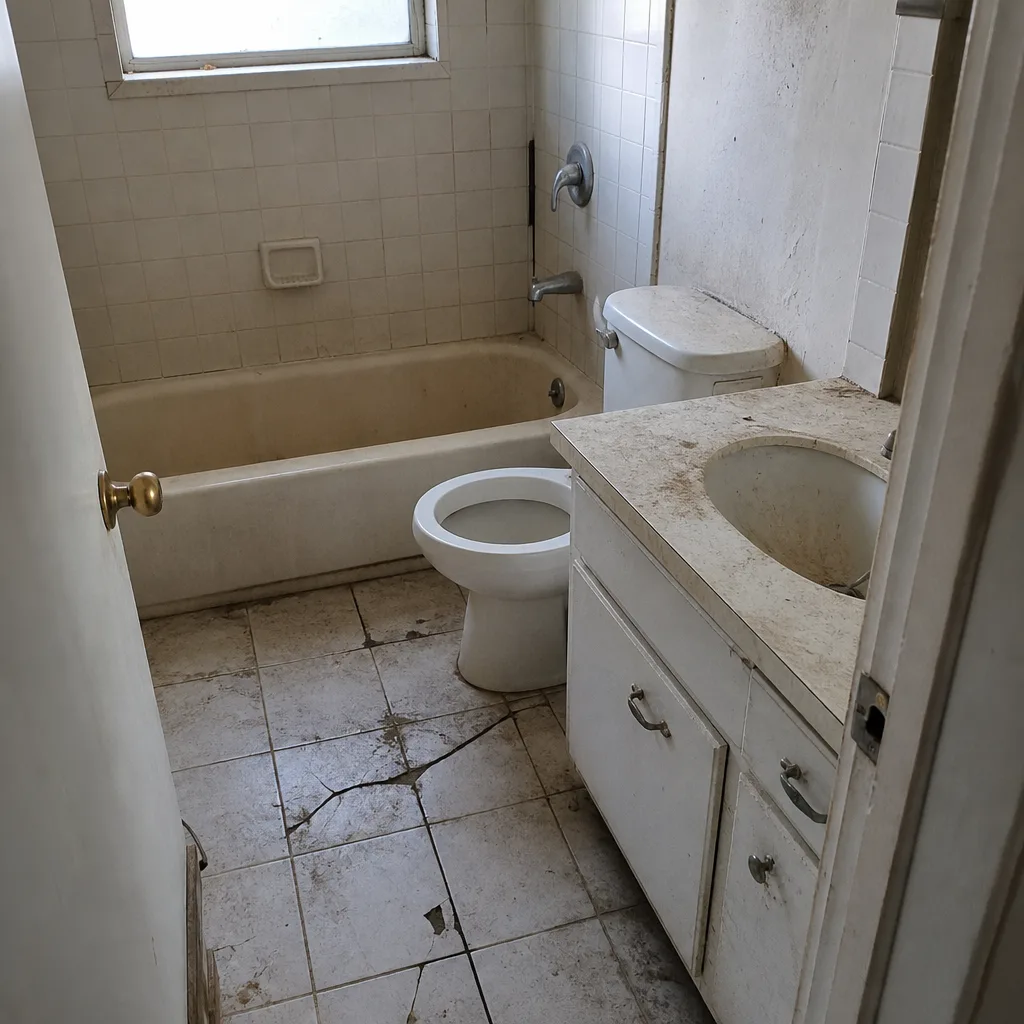 Before
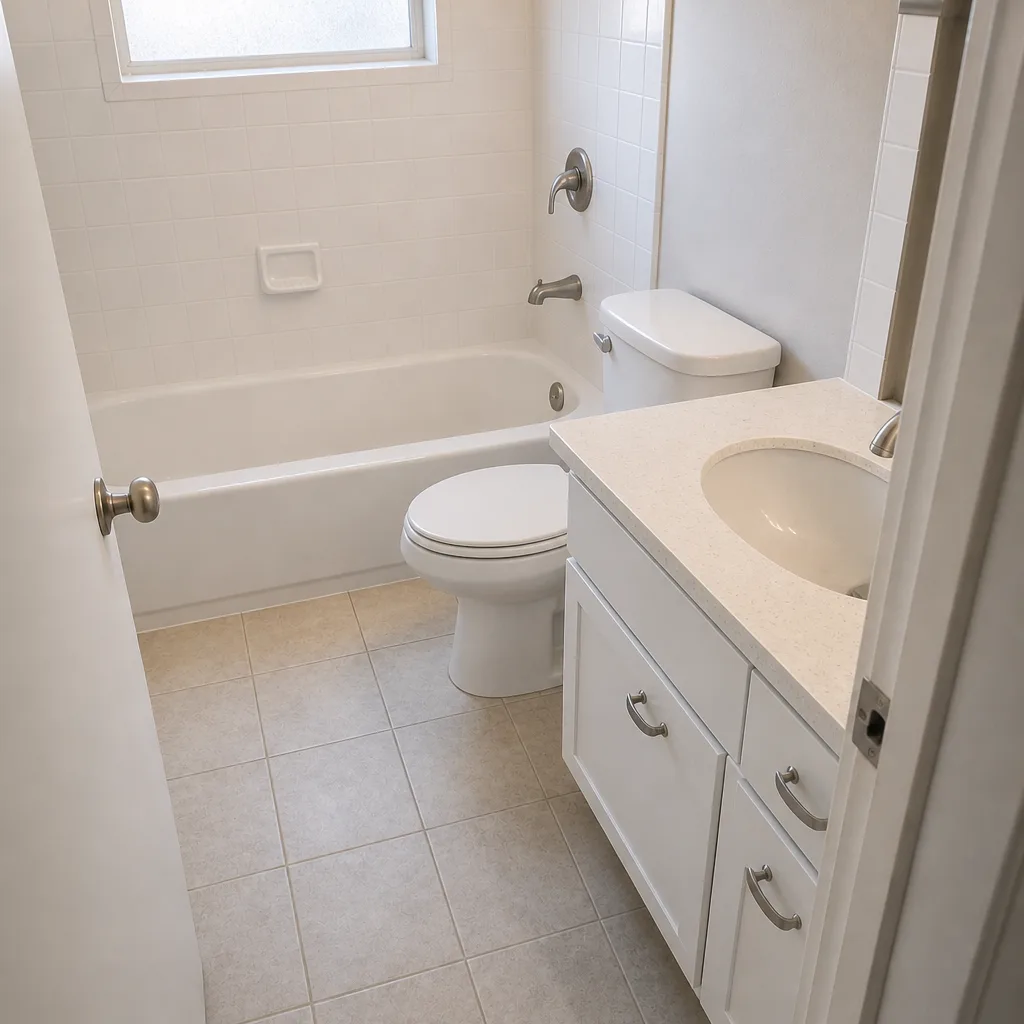 After
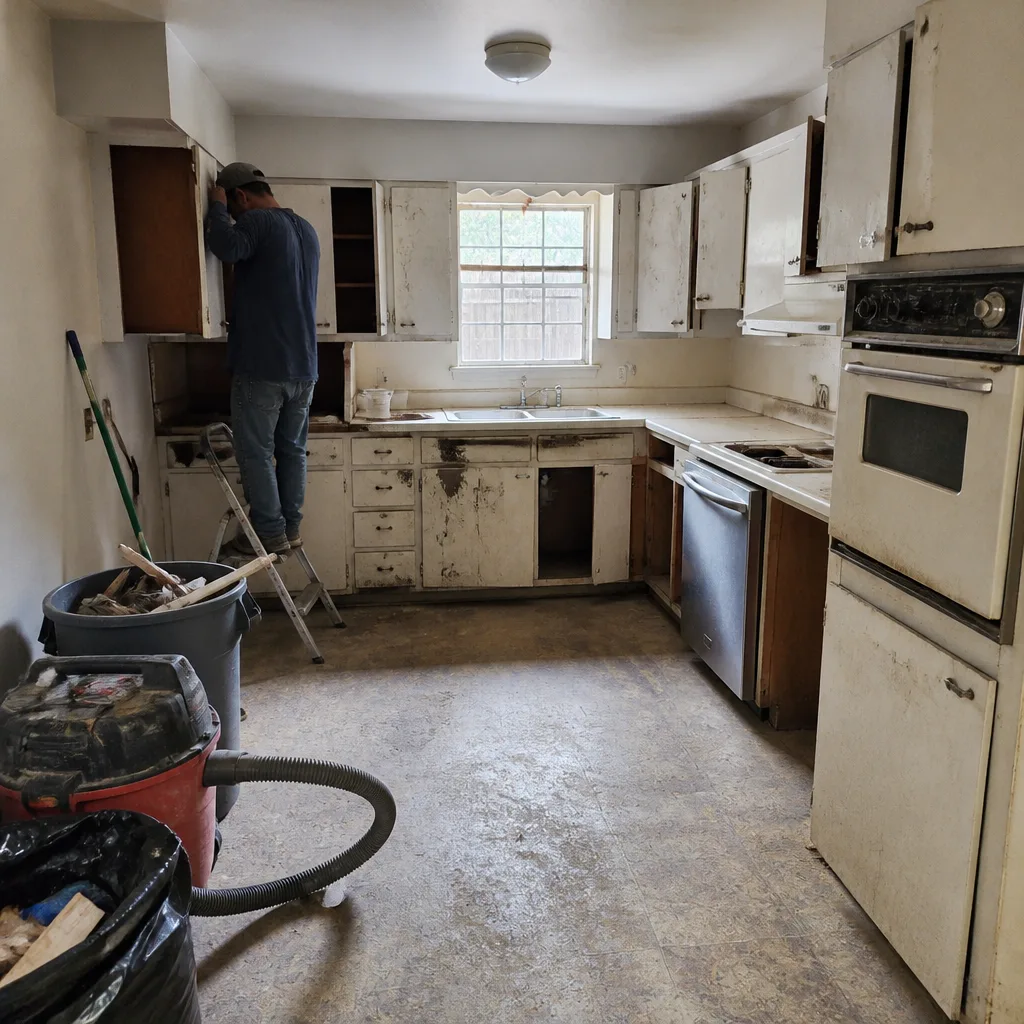 Before
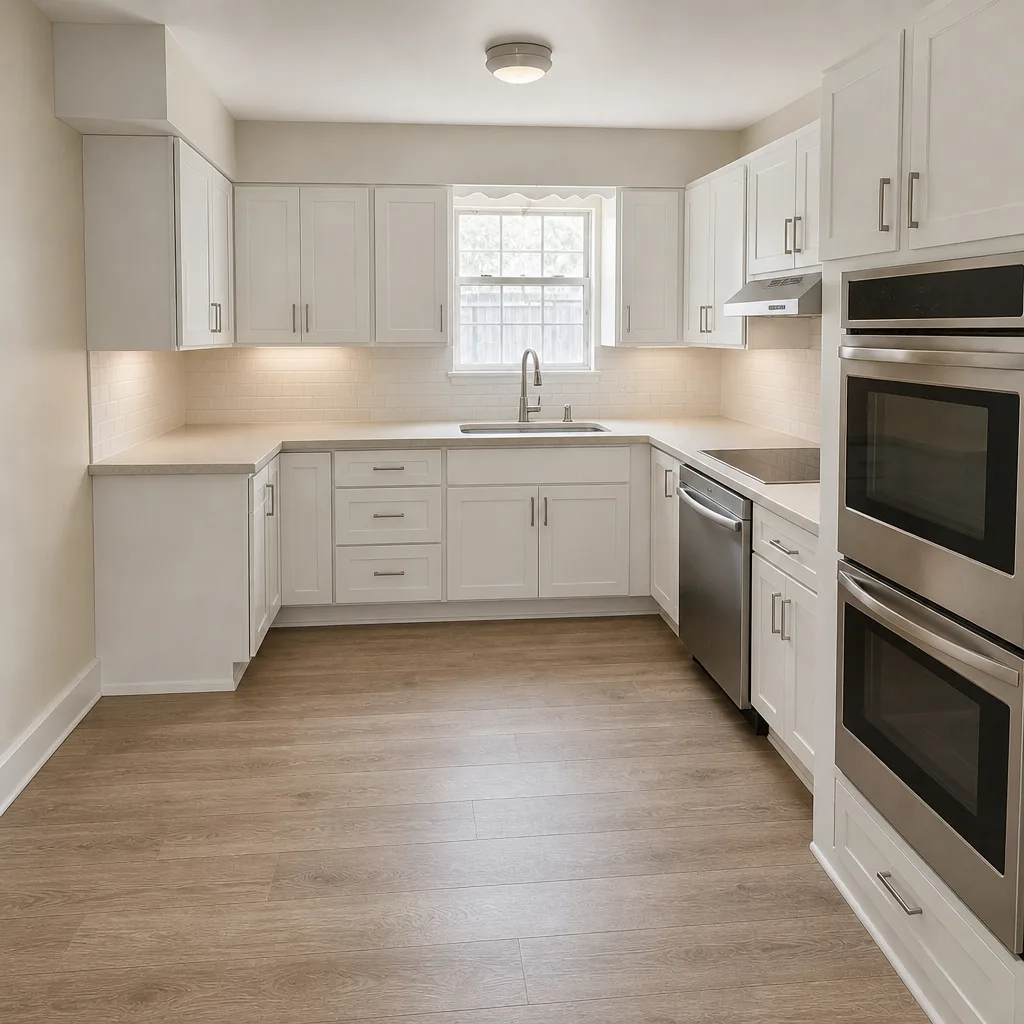 After
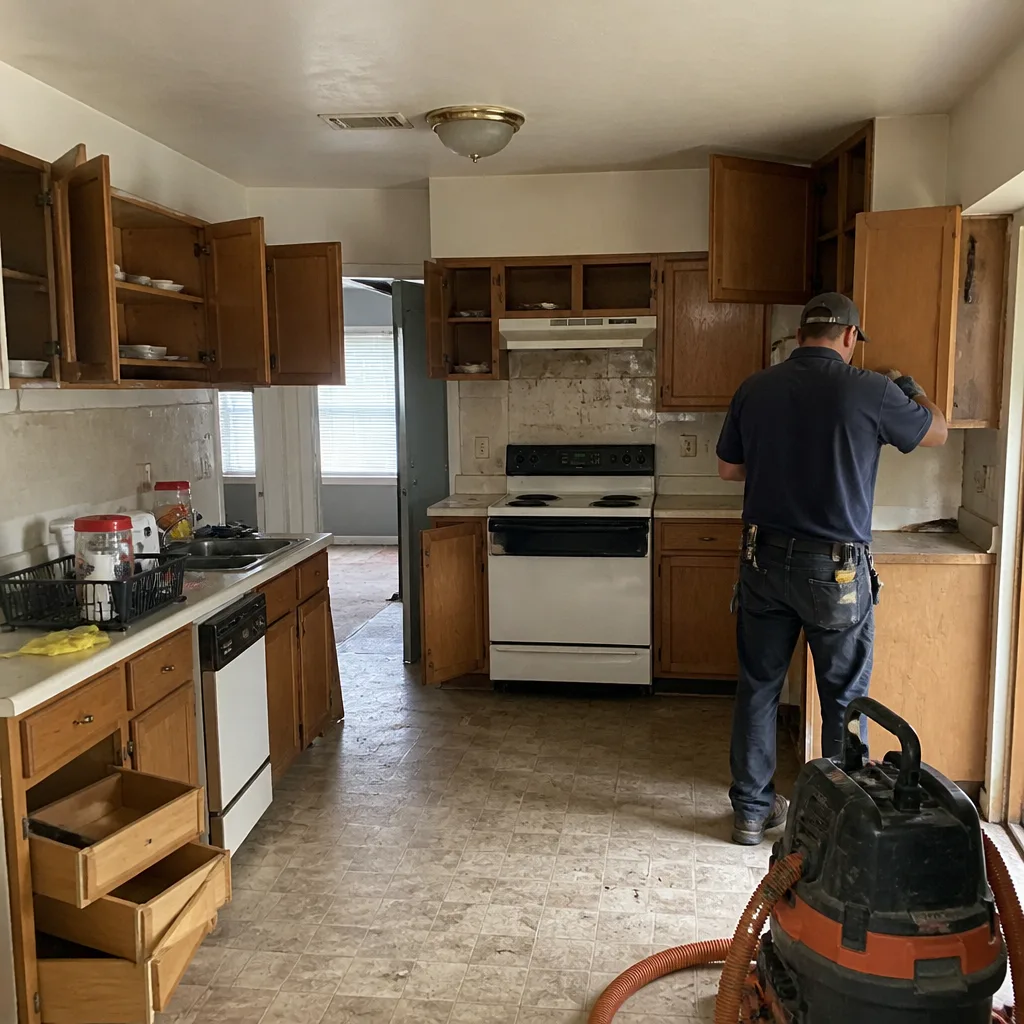 Before
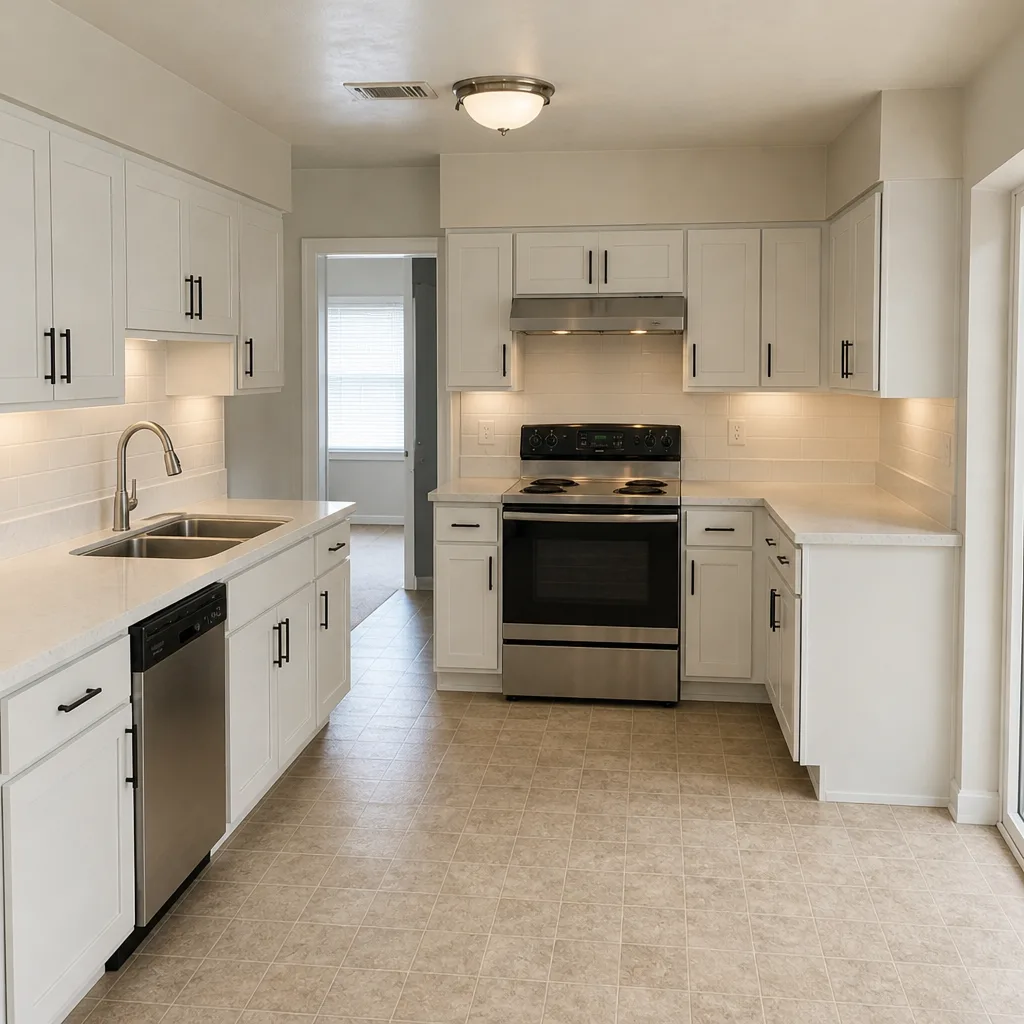 After
When to Call a Professional
Call a professional when the task involves electrical, plumbing, or gas work (legally required in Texas), when a wall’s structural role is unclear, when you’re moving a sink or range to a new location, or when you’d be doing the rough-in behind a finished surface. Any of those conditions means the savings from DIY are smaller than the risk. Penhallow Remodeling offers free estimates in Garland. Call (844) 560-4146 to schedule yours. Our technicians have up to 22 years of experience, and we’ll walk the kitchen with you and tell you which tasks are genuinely yours to take on and which belong to a licensed trade.
Frequently Asked Questions
You can do the cosmetic and finish portions yourself – painting, hardware, tile, and trim – and most Garland homeowners save real money on those tasks. Electrical, plumbing, and gas work require a licensed professional under Texas law, and structural changes need a contractor or engineer. The hybrid approach is where the actual savings live.
No. Painting cabinets, swapping hardware, and setting backsplash tile do not require a permit in Garland. Permits come into play with electrical circuits, plumbing, gas lines, structural changes, and ventilation work. If you’re unsure whether your task needs one, call us and we’ll tell you honestly.
It can require full removal and redo at your expense. The inspector doesn’t offer a partial pass. The wiring comes out, a licensed electrician redoes the work, and you pay for both the original attempt and the correction. This is the most expensive DIY mistake we see, and it’s the reason we recommend licensed trades for anything that touches the panel or a new circuit.
Yes, in some cases. Replacing like-for-like against the same layout with no plumbing or electrical changes is genuinely DIY-able if you’re comfortable with a level and finding studs reliably. Moving a sink, range, or adding an island means licensed trades, and the cabinets become the last step in the project, not the first.
Homeowners who handle painting, tile, and trim typically save $3,000-$8,000 on the labor line versus a fully contracted project. The exact number depends on the size of your kitchen and how much finish work you take on. What we don’t recommend is taking on the trades; the savings disappear the first time an inspection fails.
No. Gas line work requires a licensed plumber or gas fitter in Texas, and a permit and inspection in most Garland cases. It’s a legal requirement, not a preference, and unpermitted gas work can void your homeowner’s insurance on a related claim. We won’t work around an unpermitted gas install.
The Bottom Line
The DIY line in kitchen remodeling isn’t drawn by your skill level. It’s drawn by permits, load-bearing elements, and work that sits upstream of expensive-to-undo finishes. Paint the cabinets, swap the hardware, set the backsplash, and run the trim yourself; save the $3,000-$8,000 that comes with that. Leave electrical, plumbing, and gas to the licensed trades, because Texas doesn’t offer a workaround and your insurance policy doesn’t either. For everything in between, get the split in writing. If you’re in Garland and you want a straight read on where your specific project falls, we’re glad to walk through it with you. Visit our Penhallow Remodeling Garland home page to see the full range of what we take on, and call (844) 560-4146 to schedule a free estimate.
Written by the team at Penhallow Remodeling Garland.