
Last updated November 18, 2026








Free written scope consultation - allowances, timeline, and change-order rules on paper before a single trade is scheduled
General Contractor Maintenance Checklist for Garland Homeowners
The single most common reason Garland homeowners call a remodeling contractor isn’t a dramatic failure. It’s deferred maintenance on something that cost $40 to fix in March and $4,000 to fix in October. A cracked bead of caulk around a window sill lets in a summer downpour, the sill rots, the trim goes soft, and suddenly you’re pricing a repair that costs more than the cabinet you were saving for. Garland sits on expansive clay soil that swells and shrinks with every wet and dry spell, under summers that push past 100°F, with the occasional ice storm thrown in. This checklist is built around those conditions month by month, so you’re catching problems before they turn into contractor work.
Quick Answer
For a Garland home, the highest-value maintenance tasks are seasonal and specific: re-caulk exterior joints before the spring rains, check your foundation grade and drainage in late summer when clay soil shrinks, inspect roof flashing after every hail event, and clean gutters before the fall leaf drop and again after it. Most of these take an afternoon and cost under $100 in materials. Skipped, they’re the exact items that show up as repair bills in the thousands and as denied insurance claims after a storm.
Styles & brands we work with
- Kitchen remodeling
- Bathroom remodeling
- Home additions & ADU
- Roofing
- Windows & doors
- Driveway & pavers
- Fence
Table of Contents
- Why Garland Homes Need a Different Checklist
- Spring (March – May): Rain, Clay, and Caulk
- Summer (June – August): Heat, Attic, and Foundation
- Fall (September – November): Gutters, Roof, and Prep
- Winter (December – February): Freeze Protection and Ice Storms
- Maintenance That Protects Your Texas Insurance Claim
- How to Document Maintenance So Your Quotes Stop Getting Padded
- The Hand-It-Off Threshold: When DIY Becomes Contractor Work
Why Garland Homes Need a Different Checklist
National maintenance checklists are written for a generic house in a generic climate. They tell you to winterize in October, which makes sense in Minnesota and not much sense in Garland, where October often still hits the mid-80s and your air conditioner is running. The advice isn’t wrong, exactly. It’s just calibrated for a different house in a different place.
Garland has three conditions that drive most of the real damage:
- Expansive clay soil. The blackland clay under much of Garland swells when wet and shrinks when dry. That movement is what cracks brick mortar, jams doors in late summer, and opens gaps at foundation edges if water isn’t managed.
- Hot, dry summers. Sustained stretches over 100°F dry out wood siding, shrink caulk joints, and stress attic ventilation. Hail season in spring often arrives with the same storms that bring heavy rain.
- Periodic ice storms. North Texas gets freezing rain every few winters. That’s when pipes in exterior walls and hose bibs freeze, and when tree limbs come down on roofs and gutters.
Our technicians have up to 22 years of experience working on Garland homes, and the pattern is consistent: houses near the older neighborhoods around downtown Garland and the Duck Creek corridor tend to have mature trees and aging roof flashing, while newer construction further east often has drainage grading that needs checking after the first few wet seasons. Either way, the checklist below follows the weather, not the calendar on a national website. If you want a broader look at how we approach repairs and remodels in the area, start with our Penhallow Remodeling Garland home page.
Spring (March – May): Rain, Clay, and Caulk
Spring in Garland is the wet season, and it’s the season that punishes every small exterior gap you ignored over the winter. Water finds the weakest caulk joint, the loosest flashing, the one gutter that’s pulling away from the fascia. Fix those before the heavy rains arrive and you head off most of what we see later in the year.
- Walk the exterior and check every caulk joint. Windows, doors, hose bibs, and where siding meets trim. If a bead is cracked or pulling away, cut it out and re-caulk with an exterior-grade sealant rated for high heat.
- Check your grading and downspouts. Water should run away from the house, not pool against the foundation. Add downspout extensions if the splash is landing within a couple feet of the slab.
- Look at the roof flashing. The metal at chimneys, vents, and where roof planes meet. If it’s lifted or the sealant is cracked, that’s a leak waiting for the next storm.
- Test your AC before the first hot week. Run it for an hour in early March. If it’s struggling now, you’ll be calling someone in June along with everyone else in Garland.
- Clean gutters once now, before the spring pollen and seed drop fills them. A clogged gutter in a heavy rain sends water straight down the wall.
Caulk is the cheapest insurance on the house. A tube runs a few dollars and a Saturday afternoon covers the whole exterior. Let it go and the repair moves from caulk to siding and trim replacement, which is a very different line on a quote.
Summer (June – August): Heat, Attic, and Foundation
Summer is when Garland’s clay soil does its shrinking. The ground pulls away from the foundation, doors stick, and hairline cracks in brick mortar open up. Most of that is normal movement, but it tells you where water management has slipped.
- Water the foundation, not the lawn. In a dry stretch, a soaker hose along the foundation a couple times a week keeps the clay from shrinking away. It’s the single best thing you can do for a slab in North Texas.
- Inspect the attic. Look for daylight through the roof deck, stained sheathing, or crushed insulation. Attic temps over 140°F are normal here, and poor ventilation makes the AC work harder all summer.
- Check exterior wood for heat damage. Siding and trim that’s dried and checked needs paint or sealant before the fall rains get into the grain. James Hardie fiber cement siding holds up better in this climate than wood, but even it needs the joints kept sealed.
- Look at the AC condensate line. A clogged line in summer overflows into the ceiling below the air handler. It’s a common and expensive surprise in Garland attics.
- Photograph any cracks you find. Note the width and the date. You’ll want that record if you ever get a quote for foundation or structural work.
Foundation movement in Garland is real, but most of it is manageable with grading and watering. The point of summer maintenance is to keep the clay as stable as you can, so you’re not paying for piers later.
Fall (September – November): Gutters, Roof, and Prep
Fall is the prep season in Garland. The leaf drop from mature trees in neighborhoods like those around the Duck Creek greenbelt fills gutters fast, and the first cold fronts are the signal to get the house ready for the freeze risk that comes in January and February.
- Clean gutters after the leaf drop, not before. Doing it in early September means doing it again in November. Wait for the trees to finish, then clean once and check the downspouts flow.
- Inspect the roof for hail and storm damage. Check shingles for granule loss and any lifted flashing. If you find damage, photograph it and call your insurer before you call a roofer.
- Service the furnace and check the flue. A fall service call is cheap; a furnace that dies in a January cold snap is not.
- Disconnect and drain hose bibs before the first freeze. A frozen exterior faucet can split the pipe inside the wall, and you won’t know until it thaws.
- Seal gaps around exterior penetrations. Where pipes, wires, and vents enter the house, check the sealant. That’s where cold air and water get in.
Fall is also a good time to think about bigger projects. If your kitchen or bath is on the list, the cooler months are comfortable for the work and for living through it. Our Kitchen Remodeling in Garland page covers what that timeline and budget actually look like.
Winter (December – February): Freeze Protection and Ice Storms
North Texas winters are mild most years, which is exactly why the occasional hard freeze catches people off guard. The ice storms that come through every few winters are the real event. They break tree limbs onto roofs and gutters and they freeze pipes in exterior walls.
- Know where your water shutoff is. If a pipe bursts, you want to shut it off in seconds, not minutes. Tag the valve so anyone in the house can find it.
- Drip interior faucets during a hard freeze. A slow drip relieves pressure in the pipes. Open cabinet doors under sinks on exterior walls so warm air reaches them.
- Cover exterior plants and hose bibs. Insulated covers on the bibs cost a few dollars and prevent a split pipe inside the wall.
- Inspect the roof and gutters after any ice event. Look for broken shingles, dented gutters, and limbs resting on the roof. Ice dams are less common here than up north but happen on poorly ventilated roofs.
- Check the attic for condensation. A cold snap after a warm, humid fall can show up as frost or moisture on the roof deck, a sign of ventilation problems.
Winter is also when the deferred-maintenance bill comes due. A window that’s been leaking since spring shows up as a wet stain or a soft sill in January. If you find one, don’t wait for spring to look at it.
Maintenance That Protects Your Texas Insurance Claim
Here’s the part most checklists leave out. In Texas, a homeowners policy covers sudden and accidental damage, not damage from maintenance you didn’t do. If you file a claim for water damage and the adjuster finds a cracked caulk joint that’s been leaking for months, that’s a strong argument for denial. The same goes for roof leaks traced to flashing that failed long before the storm.
The maintenance items that most directly affect a claim:
- Caulking and sealant at windows, doors, and penetrations. A gap that’s been there for a season reads as neglect.
- Grading and drainage. Water pooling against the foundation is a known maintenance issue, not an accident.
- Roof flashing and sealant. Failed flashing that predates the storm gives the insurer a reason to question the timeline.
- Gutter condition. Overflow from a blocked gutter is on you, not the policy.
Keep a record. A dated photo of a fresh caulk joint or a clean gutter before a storm is the kind of thing that strengthens your position if you ever have to file. It’s also the kind of record that makes a contractor’s quote honest, which brings us to the next point.
How to Document Maintenance So Your Quotes Stop Getting Padded
When you call a contractor for a repair, the person giving the quote is working from what they can see. If they see a water stain with no history, the safe assumption is hidden damage, and the quote reflects that. If you can show them you caught the leak two weeks ago, photographed it, and know where it’s coming from, the scope of work gets more precise and the price usually drops.
Documentation that pays off:
- Photos with dates. A crack, a stain, a soft spot. Photograph it with something for scale, and note the date and what you saw.
- A simple log. A note on your phone or a sheet in a folder showing when you caulked, cleaned gutters, serviced the HVAC, or had the roof inspected.
- Receipts and product names. If you used a specific sealant or a particular brand of flashing, note it. It tells the contractor what’s already been tried.
- Measurements. Crack width, stain size, the distance a downspout discharges from the foundation. Numbers move a conversation from guesswork to precision.
We ask for this documentation on every quote for a reason: it lets us give a written price that holds, rather than a range that has to change once the wall comes open. That’s the core of The Kingswell Way, and it’s why every Penhallow Remodeling Garland project starts with a written price before any work begins. When you get a quote for any major repair or remodel, ask for a written, line-item price and a written guarantee. If a contractor won’t put the number on paper, that’s your answer.
The Hand-It-Off Threshold: When DIY Becomes Contractor Work
Most of this checklist is homeowner work. But there’s a line where maintenance stops being upkeep and becomes structural, and crossing it yourself is how a $200 repair becomes a $4,000 one. Here are the specific indicators we use.
- Cracks wider than 1/4 inch in brick mortar, or a stair-step crack that runs diagonally across the mortar joints. Hairline cracks are normal clay movement; wider or stair-step cracking suggests foundation movement that needs a professional look.
- Water stains larger than a dinner plate on a ceiling or wall, or any stain that’s still growing after you’ve stopped the source. A stain that size means the water’s been there a while, and the framing behind it may be soft.
- Sagging you can measure. If a floor joist or roof sheathing sags more than about 1/8 inch per foot, or a door frame is out of square by more than a half inch, that’s structural, not cosmetic.
- Soft wood anywhere. A sill, a subfloor, a joist end that gives under a screwdriver. Rot spreads, and what looks like a small area is often a larger one once the trim comes off.
- Any gas line, electrical panel, or high-tension work. If a repair touches your gas plumbing, your main electrical panel, or anything overhead and more than a step ladder high, that’s not a maintenance task. Those are genuinely dangerous, and they belong to a trained and licensed professional.
When you’re past those thresholds, the next step is a written scope and a written price. That’s where we come in. Learn more about how we handle structural repairs and whole-home work on our General Contractor in Garland page.
Common Mistakes to Avoid
- Treating the national checklist as gospel. Winterizing in October is good advice in Ohio and pointless in Garland, where you’re still running the AC. Follow the weather, not the calendar.
- Waiting until the crack is wide to photograph it. The photo with the date on it is what proves a leak is recent or old. Take it when you first see the problem, not after the contractor arrives.
- Ignoring the attic. Attic inspections are unpleasant in a Garland summer, but most roof leaks and AC condensate problems are visible up there months before they show on your ceiling.
- Re-caulking over a wet joint. Sealant won’t bond to damp wood, and it’ll fail again within a season. Dry it out and find where the water’s coming from first.
- Letting water pool against the foundation. In Garland’s clay, that’s the fastest route to foundation movement and stuck doors. Fix the grading and downspouts before you think about anything else.
- Skipping the roof inspection after hail. Shingle damage isn’t always visible from the ground. A professional inspection after a storm is the documentation your insurer needs, and it costs nothing compared to a denied claim.
- Getting a verbal quote for structural work. A number that isn’t written down can change after demo. Ask for a written, line-item price and a written guarantee every time.
See the difference
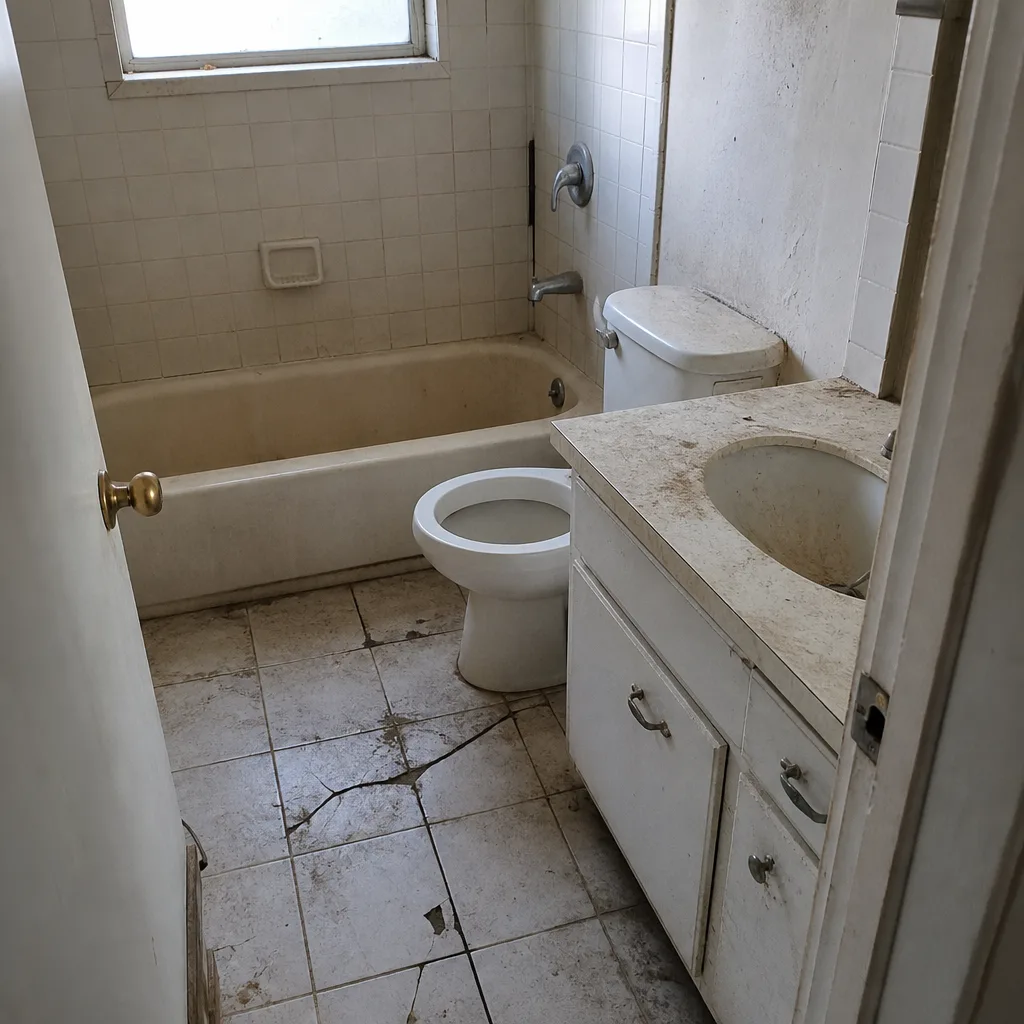 Before
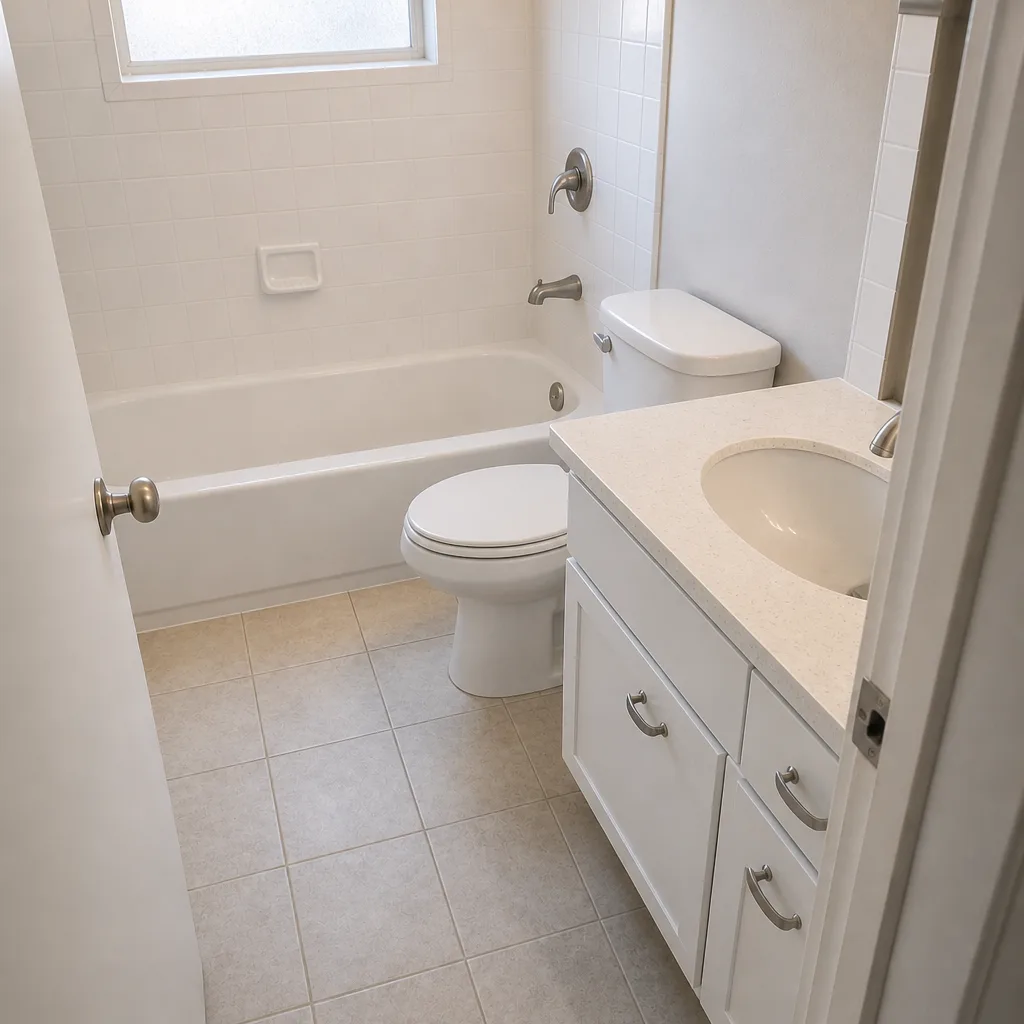 After
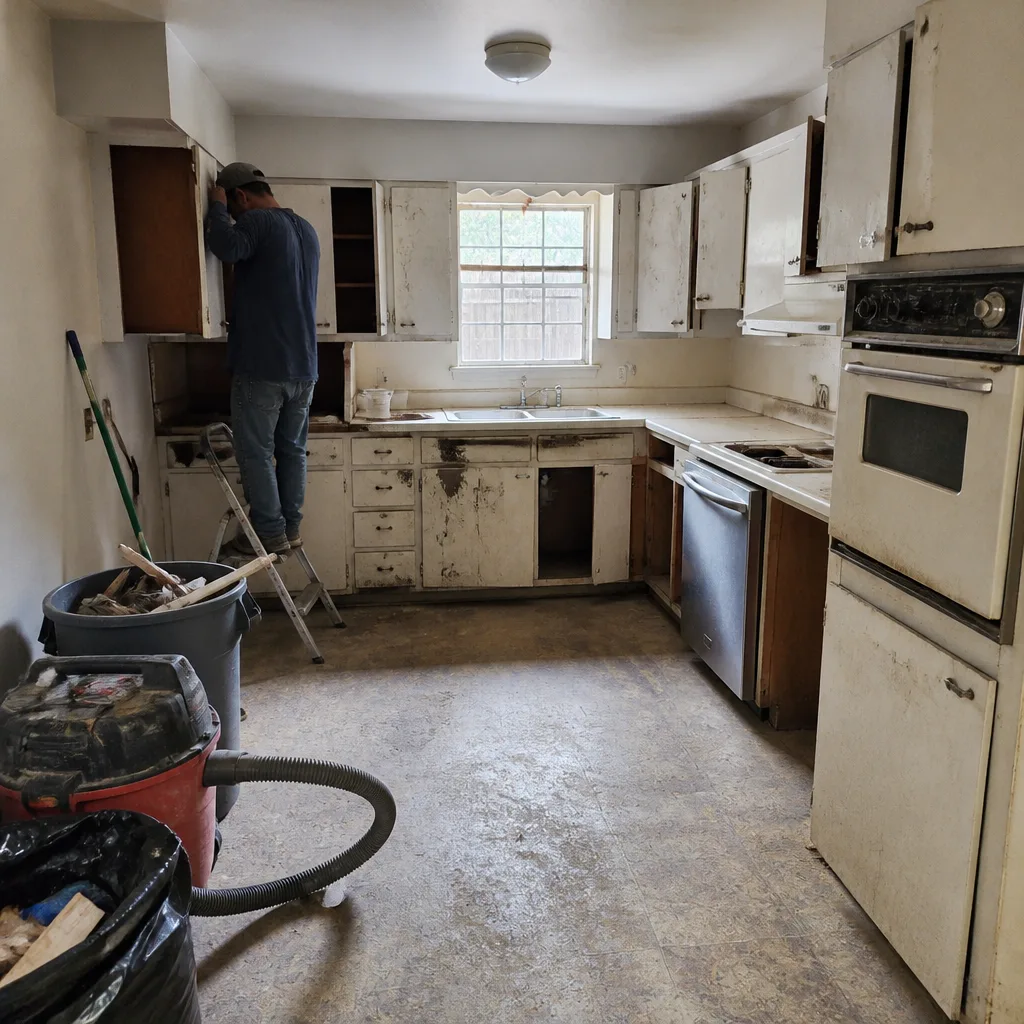 Before
 After
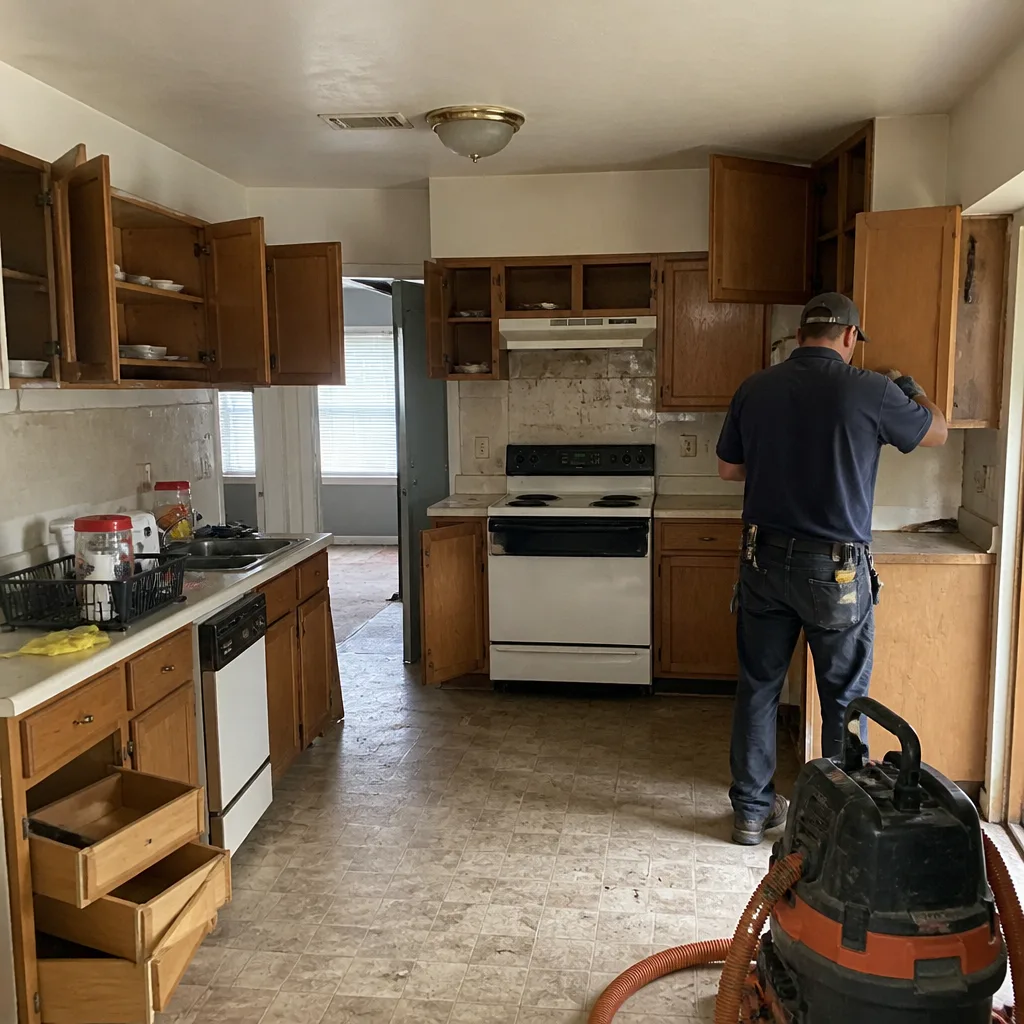 Before
 After
When to Call a Professional
Call a professional when a crack you can measure has widened, a stain has grown, or wood has gone soft. Call sooner if water is actively coming in, if a repair touches gas or the electrical panel, or if you’re not sure the problem is cosmetic. Our technicians are background-checked, arrive in uniform, and carry up to 22 years of experience on Garland homes. Every job gets a written price before any work starts and a written guarantee when it’s done, and if something fails within the guarantee period we come back and fix it at no charge.
Penhallow Remodeling Garland offers free estimates in Garland. If you’re not sure whether a maintenance issue has crossed the line into contractor work, call (844) 560-4146 and talk it through with a real person. We answer the phone around the clock, and we’ll tell you plainly whether it’s a repair you can handle or a job for us.
Frequently Asked Questions

Check the exterior caulk joints, look for new water stains, and walk the perimeter to confirm water is draining away from the foundation. Those three checks catch the majority of small problems before they become expensive. During the wet months, add a look at the roof flashing. Call (844) 560-4146 if anything looks like it’s past a simple fix.
Twice a year is typical for most Garland homes: once in late spring and once after the fall leaf drop in November. If you have mature trees near the roof, you may need a third cleaning in the fall. Clogged gutters are one of the most common causes of fascia and siding rot in this climate.
Minor roof leak repairs in the Garland area typically run a few hundred dollars when the source is flashing or a small section of shingles, and more if the leak has reached the sheathing or framing. The repair often costs more than the maintenance would have. Call (844) 560-4146 for a written, line-item price before any work starts, and estimates are free.
Not always. Hairline cracks in brick mortar are common in Garland’s expansive clay and usually reflect normal seasonal movement. Cracks wider than 1/4 inch, stair-step cracking, or doors that stick badly after a dry summer are worth a professional look. Our general contractor team can tell you whether it’s cosmetic or needs a structural repair.
Yes, and more than most people realize. Texas policies cover sudden and accidental damage, not damage from maintenance that wasn’t done. A water claim where the adjuster finds a long-old caulk gap or failing flashing can be denied. Dated photos of your maintenance are the best defense.
Yes. We handle kitchen remodels, bathroom remodels, and whole-home remodels in Garland, and the repair work often comes first. If the maintenance inspection finds water behind a wall, we can price the repair and the rebuild together on one written quote. Our Bathroom Remodeling in Garland page shows the kind of work we do once a repair turns into a project.
The Bottom Line
Garland’s clay soil, hot summers, and occasional ice storms write the real maintenance calendar, and the tasks that matter most are small and cheap if you do them on time. Caulk the exterior in spring, water the foundation in summer, clean the gutters after the fall leaf drop, and protect the pipes before a freeze. Photograph what you find and keep a dated record, because it protects your insurance claim and keeps your contractor’s quotes honest. When a crack widens, a stain grows, or wood goes soft, that’s the line, and it’s time to call. Penhallow Remodeling Garland offers free estimates and a written price before any work starts. Call (844) 560-4146 to get one.
Written by the team at Penhallow Remodeling Garland.