
Last updated November 18, 2026








Free written scope consultation - allowances, timeline, and change-order rules on paper before a single trade is scheduled
General Contractor Troubleshooting: Common Problems and How to Fix Them
A contractor who goes quiet mid-job is the single most reported complaint to the Texas Attorney General’s consumer protection office, and most homeowners don’t learn what their legal options are until the money is already gone. Here’s the part that stings: the work itself is rarely the root of the problem. A verbal agreement that two people remembered differently is. This guide walks through the most common general contractor problems we hear about in Garland, sorted into what you can fix with a phone call and what needs a paper trail, a regulator, or a lawyer.
Quick Answer
Most contractor problems are fixable if you catch them early and document them in writing. Get every change, delay, and promise into a written record with dates. If a contractor stops responding or abandons the job, send a written notice of non-performance, give a deadline to cure, and then escalate to the Texas Attorney General’s consumer protection division or a construction attorney, in that order. For licensing issues on specific trades, TDLR is the right first stop.
Styles & brands we work with
- Kitchen remodeling
- Bathroom remodeling
- Home additions & ADU
- Roofing
- Windows & doors
- Driveway & pavers
- Fence
Table of Contents
- How do you document work-in-progress problems so they hold up later?
- What are the Texas notice requirements before you can terminate a contractor?
- What does “substantial completion” actually mean?
- What happens when a contractor disputes a written change order?
- When do you contact TDLR, the Texas AG, or a construction attorney?
- What are the most common fixes you can do yourself?
- Why do Garland homes run into certain contractor problems more often?
How do you document work-in-progress problems so they hold up later?
Documentation is boring until the day you need it, and then it’s the only thing that matters. The goal is a record that a third party (a mediator, an arbitrator, a regulator) can read without you in the room and still understand what happened. If a dispute ever heads toward arbitration or a complaint filing, that record becomes your strongest asset.
Here’s the process we walk homeowners through when they call us after a job has gone sideways:
- Date-stamp everything. Photos and video from your phone carry a timestamp. Take a photo of the same problem area from the same angle every few days so the progression is visible.
- Keep a running written log. A simple notes file works. Note the date, what you observed, who you spoke with, and what was promised. “April 4: Foreman said tile would be reset by Friday. Not done as of April 11.”
- Put every conversation in writing afterward. A short follow-up text or email is enough: “Following up on our call today about the cabinet gap, you said it would be addressed this week.” This transforms a verbal exchange into evidence.
- Save the contract and every change order. Not just the signed original. Every revision, every addendum, every text that changed the scope.
- Photograph the work at natural pause points. Before drywall goes up, after rough-in, after tile set. Once a wall is closed, you lose the ability to show what was behind it.
In our experience in Garland, the homeowners who recover fastest are the ones who kept a log from week two, not week ten. The log isn’t hostile. It’s just a habit, and it also makes you easier to work with, because no one has to guess what you were promised.
What are the Texas notice requirements before you can terminate a contractor?
You can’t usually fire a contractor for non-performance without giving written notice and a reasonable opportunity to cure. Texas courts and mediation processes tend to look unfavorably on a homeowner who terminates abruptly, even if the contractor was clearly in the wrong, because the law expects a paper trail before a termination.
The core steps look like this:
- Send written notice of the specific problem. Not “you’re doing a bad job.” Name the exact defect, the exact date observed, and what a cure looks like. “The master bath shower drain in the hall bathroom drains slowly, observed starting March 15, and the slope needs to be corrected.”
- Give a cure period. A written deadline. Ten business days is common for a repairable defect. Thirty days is common for larger scope problems.
- Deliver the notice so it can be proven. Certified mail with return receipt, or email with a read receipt, plus a text confirming you sent it. Keep the receipt.
- Document the response or non-response. If they cure, log what was fixed. If they don’t respond by the deadline, that’s your record to escalate.
If your contract has a specific notice provision (most written contracts do), follow it exactly. A clause that says “all notices must be sent by certified mail to the address listed below” means certified mail, not a text. Reading that clause once saves a lot of pain later. Also check whether your contract names a specific dispute resolution process, because a mediation or arbitration clause may be the required next step before litigation.
What does “substantial completion” actually mean?
Substantial completion is the point at which the project is usable for its intended purpose and only minor items remain. Contractors use it to trigger final payment. It does not mean the work is 100% done. That’s the gap that catches many homeowners, and it’s why final payment schedules need to be written clearly from the start.
Here’s the practical difference:
- Substantial completion: you can use the kitchen, the countertops are installed, the outlets work, and what’s left is a list of punch items. Final payment is typically due here, minus any written retainage.
- Final completion / punch-list complete: every item on the written punch list is closed. The final payment release usually happens here if retainage was held.
What counts as “punch list” versus “substantial” is where disputes live. A crooked cabinet door is punch. A cabinet door that doesn’t close because the frame is out of square is a defect that can affect usability and shouldn’t be waived as punch. In our experience, the fix is to define both in the contract: a written punch list at substantial completion, signed by both parties, with a deadline for closing each item, and a written retainage amount (5-10% is common) released only when the punch list is signed off.
If you’re already past this point and a contractor is calling the job substantially complete before it’s actually usable, respond in writing: “We do not agree that substantial completion has been reached. The following items affect usability and must be corrected first: [list].” That single email changes the negotiating position.
What happens when a contractor disputes a written change order?
If the change order is written, signed, and dated, the dispute becomes a scope question, not a memory question. That’s usually an easier conversation. If the change was verbally agreed to and never written down, you have a harder problem, because in most contract language a verbal change isn’t binding.
Here’s how to handle both situations:
- Find the signed change order. Pull the exact document. Note the date, the scope change, the price change, and any schedule change. If the signature is missing, ask yourself whether there’s a text or email where the contractor confirmed the change in writing. That counts as written confirmation in many disputes.
- Send a written recap. Even if the original change was verbal, put it in writing now: “Confirming our conversation on March 12 where you agreed to add the under-cabinet lighting for [$X] and to extend the schedule by four business days. Please confirm in writing.” Their reply becomes your documentation, in either direction.
- Refuse to pay disputed changes without a written change order. This is the hardest one emotionally, especially when the work is already done. But paying a disputed amount weakens your position later.
- Offer a mediated middle step. A short sit-down with the numbers on paper resolves most of these. The written change order is your anchor. Copy it for both of you.
One practical habit we recommend to Garland homeowners: photograph the change order and the invoice together, side by side, the day each is signed. It’s a thirty-second habit that eliminates most “I thought that was included” conversations later.
When do you contact TDLR, the Texas AG, or a construction attorney?
The order matters. Going to the wrong agency first wastes weeks, and some agencies will bounce a complaint to a different office and start your timeline over. Here’s the sequence we recommend:
- Start with TDLR for licensed trades. The Texas Department of Licensing and Regulation handles electricians, plumbers, HVAC contractors, and several other licensed trades. If your problem is with a licensed specialty trade, TDLR is the first stop. Their complaint portal accepts documentation, and they can investigate licensing violations.
- File with the Texas Attorney General’s consumer protection division for deceptive trade practices. If the problem involves misrepresentation, abandonment, or a pattern of deceptive conduct, the AG’s Consumer Protection Division handles complaints under the Texas Deceptive Trade Practices Act. Filing doesn’t recover your money directly, but it builds a record and can lead to action against a repeat offender.
- Contact a construction attorney when the dollar amount is material or the situation is complex. As a rule of thumb, if the disputed amount is under a couple thousand dollars, small claims court may handle it without a lawyer. If it’s larger, or if the contractor has already retained counsel, talk to a construction attorney before you send any further written notice, because what you write now can be used later.
Reach out in that order unless there’s a safety issue. If a contractor has left a gas line uncapped or live wiring exposed, call the utility and the city permit office immediately. Safety doesn’t wait for paperwork.
What are the most common fixes you can do yourself?
Some problems genuinely don’t require a licensed professional. Knowing which is which saves you money and headache. Here’s what we tell homeowners when they call after a rough job:
- Cosmetic punch items: paint touch-ups, caulk lines, cabinet hardware alignment, grout haze. These are reasonable to fix yourself if you know what you’re doing. A $12 tube of paintable caulk closes a lot of doors.
- Hardware and fixture adjustment: a Kohler or Moen faucet that drips at the handle is often a cartridge swap. The brands typically include instructions and can often be swapped without a plumber, but if you’re not confident with the water shut off, call a pro.
- Door and drawer alignment: European hinges adjust in three directions with a screwdriver. A crooked door isn’t a cabinet failure, it’s an adjustment.
What you shouldn’t touch: anything behind the wall. Electrical work, gas lines, plumbing rough-in, and structural changes are licensed territory in Texas for good reason. We’ve seen too many Garland homeowners try to fix a “small” electrical issue and end up with a bigger problem and no documentation of the original issue.
Why do Garland homes run into certain contractor problems more often?
Garland has a housing stock that spans from 1950s ranches to newer builds in the eastern corridor, and that mix creates specific contractor problems. In older neighborhoods, we regularly see change-order disputes tied to what’s hidden behind a wall. A homeowner and a contractor agree to a kitchen refresh, the tile comes off, and there’s galvanized plumbing or outdated wiring that nobody saw on the walkthrough. The right answer is a written change order before anyone touches it. The wrong answer is a verbal “we’ll figure it out later,” which is where most of these disputes start.
The clay soil around Garland and the broader Dallas-Fort Worth area also moves with wet and dry cycles, which means foundations shift more than they do in other parts of the country. That produces cracks in tile, out-of-square door frames, and cabinet gaps that a contractor in a stable-soil market might never see. When your punch list has more than a couple of crack-related items, it’s worth having a foundation check before insisting the contractor re-do the cosmetic work.
Garland’s permitting process runs through the city’s development services department, and inspections for kitchen and bathroom remodels follow the usual rough-in and final sequence. If a contractor tells you permits aren’t needed for a project that obviously requires them, that’s a red flag worth listening to. We’ve helped homeowners untangle unpermitted work in Garland that cost more to fix than the original job would have cost to permit correctly.
For a broader picture of what remodeling in this market looks like when it goes right, our General Contractor in Garland page walks through the typical project shape, and our Kitchen Remodeling in Garland and Bathroom Remodeling in Garland pages cover the two rooms where disputes are most common. If you’re starting to think about a project rather than finishing a bad one, Penhallow Remodeling Garland home is the place to start.
Common Mistakes to Avoid
- Signing a contract with a blank change-order process. If the contract doesn’t say how changes get priced and approved in writing, assume the first change will become a dispute. Make sure the process is written into page one.
- Paying in cash with no receipt. Cash is fine if there’s a written receipt with the amount, date, and what it covers. No receipt means no proof, and in Texas that gap hurts you, not the contractor.
- Letting a small punch item ride for months. “We’ll get to it” becomes “it’s past the warranty period” faster than you’d think. Put punch items in writing within days of substantial completion, and set a deadline.
- Skipping permits for “small” jobs. A Garland bathroom remodel with electrical or plumbing changes usually needs permits and inspections. Skipping them can affect resale, insurance, and your ability to escalate to the city later.
- Relying on verbal promises. A promise made at the kitchen table that isn’t in the written scope isn’t a promise the contractor has to keep. Write it down, or it didn’t happen.
- Letting a contractor talk you out of documentation because it “slows things down.” A professional expects a paper trail. If you’re being pressured to skip written change orders, that’s the warning sign, not the paperwork.
- Calling the AG before TDLR. For licensed trade issues, TDLR has jurisdiction the AG’s office often doesn’t. Starting in the wrong order can cost you weeks.
See the difference
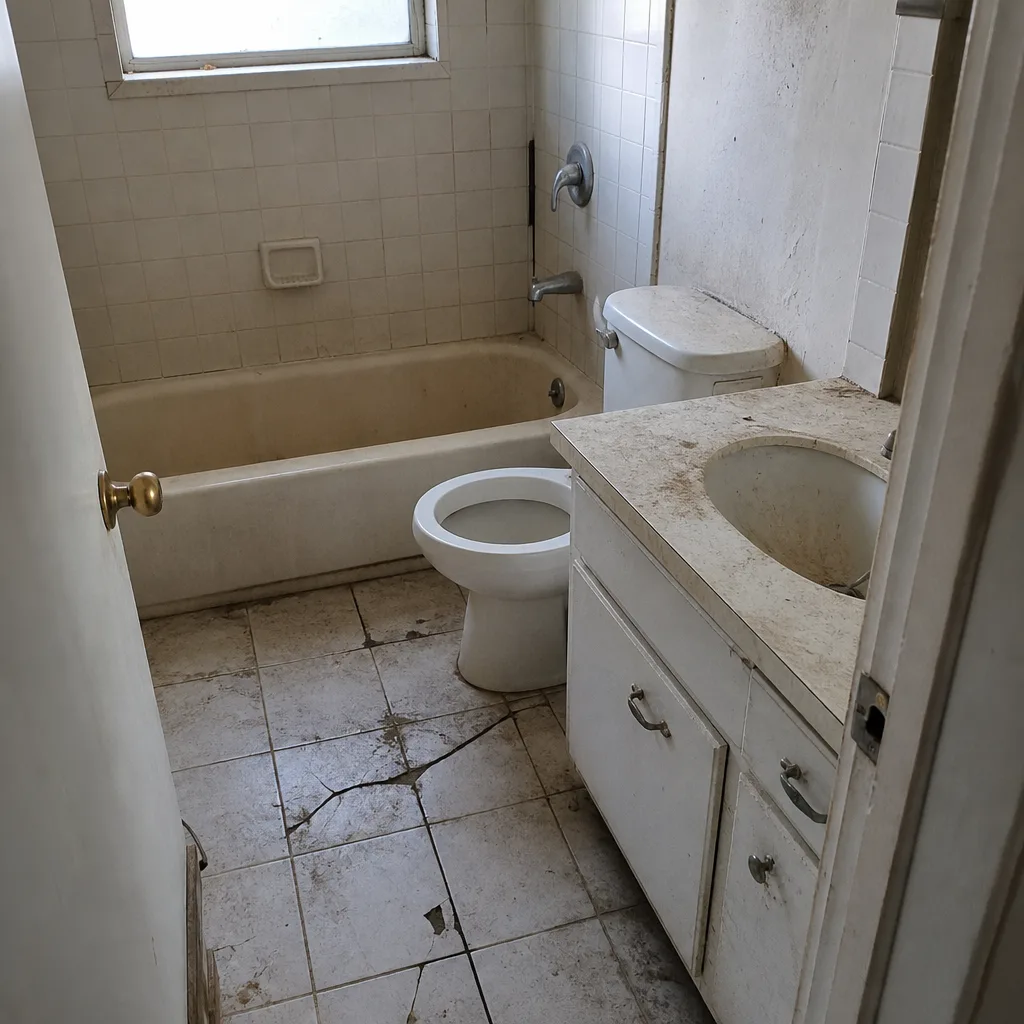 Before
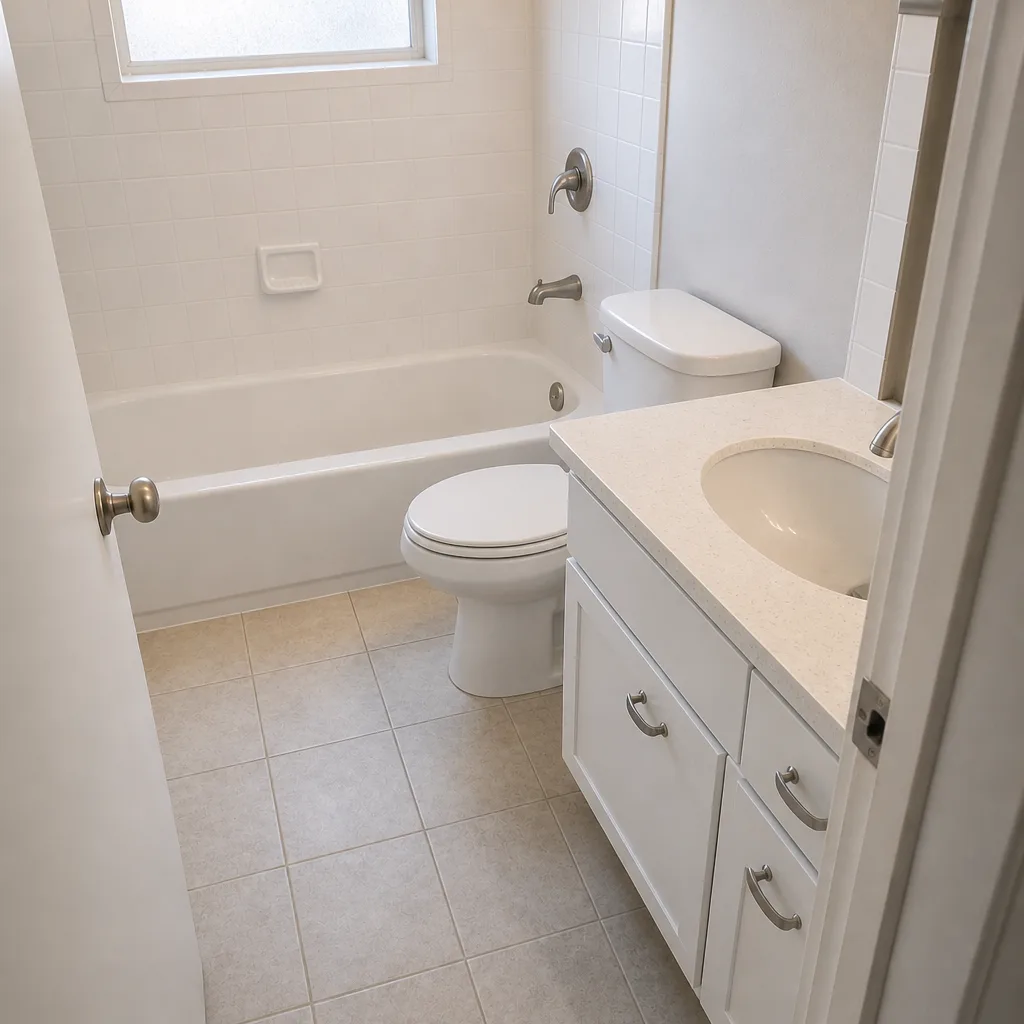 After
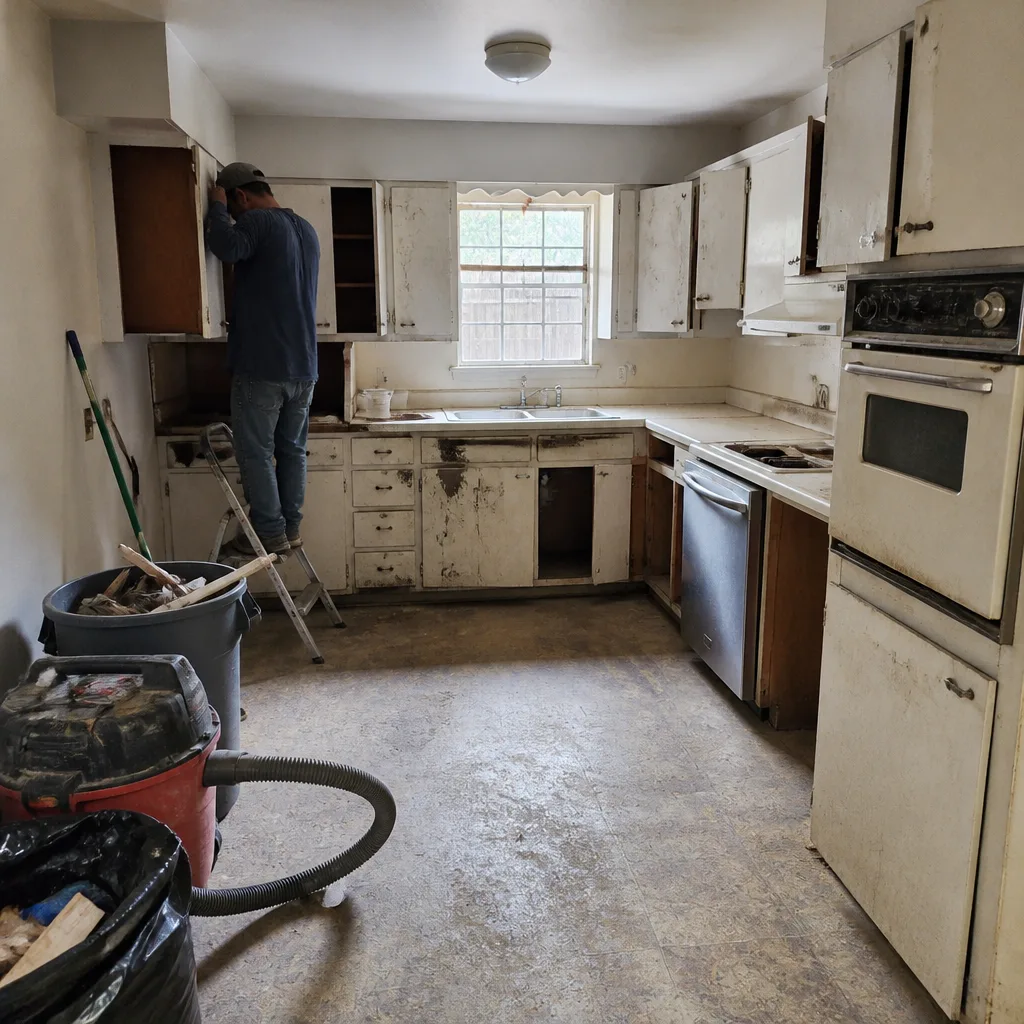 Before
 After
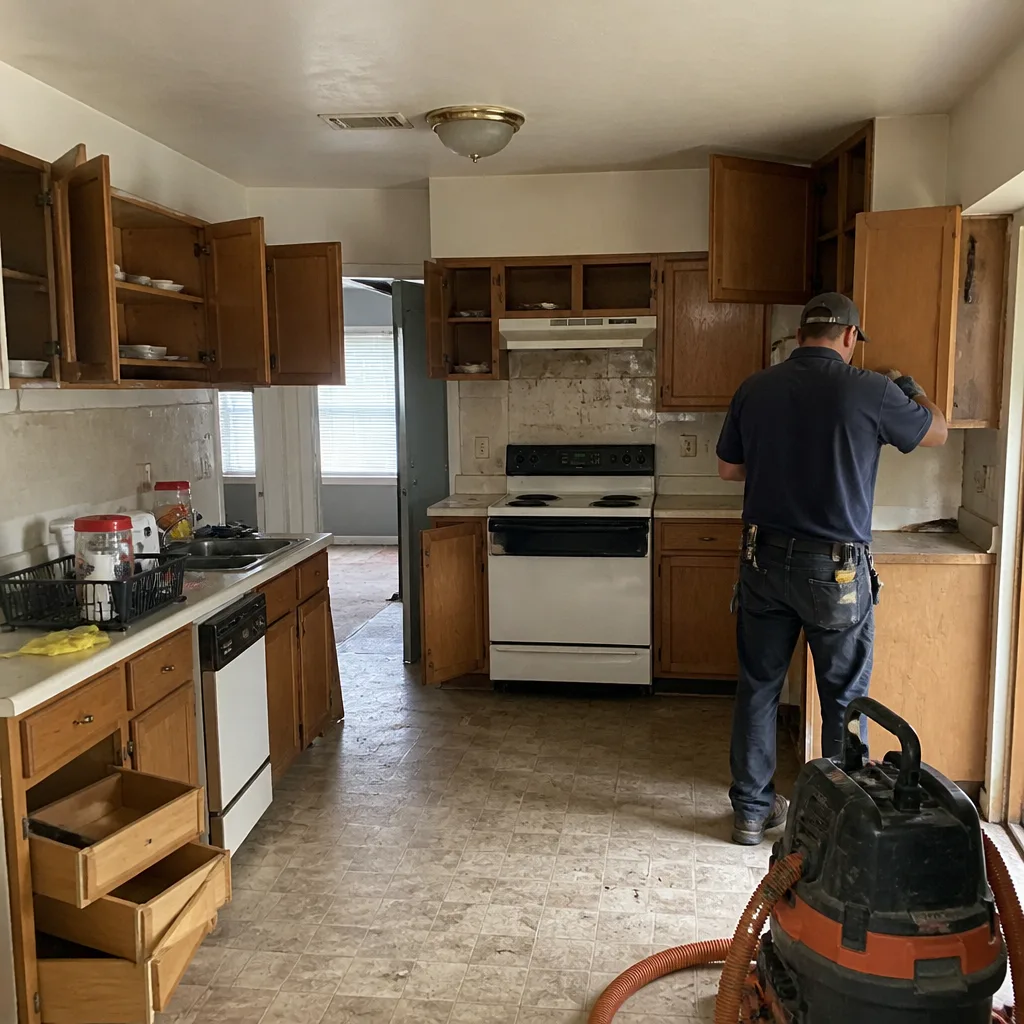 Before
 After
When to Call a Professional
Call a professional when the problem touches anything behind the wall: electrical, plumbing, gas, structural, or foundation. Call when a defect affects usability rather than appearance, when the disputed amount is more than you’re willing to lose, or when the contractor has stopped responding. Also call when you’re unsure what you’re looking at. A licensed GC can look at a wall, a cabinet line, or a tile installation and tell you in ten minutes whether it’s a punch item, a defect, or a foundation issue. That clarity is usually worth the visit. If you’re in Garland and want a second opinion before you escalate, Penhallow Remodeling Garland offers free estimates. Call (844) 560-4146 to schedule one.
Frequently Asked Questions

Send a written notice of non-performance with a specific cure deadline, delivered by certified mail. Document the deadline and the non-response. If they don’t return, that documentation becomes the basis for a Texas AG complaint or a construction attorney consultation. The notice and deadline are the key step, not phone calls. Call (844) 560-4146 if you want help understanding what a cure notice should say for your specific situation; estimates are free.
Yes, and you should, but only up to the amount defined in your contract for retainage (commonly 5-10%). Withholding the full final payment over a crooked cabinet door weakens your position. Define the punch list in writing, hold the retainage, and release it when the list is signed off by both parties.
For most kitchen and bathroom remodels that change electrical, plumbing, or structural elements, yes. Garland requires permits through the city’s development services department, and inspections follow a rough-in and final sequence. If your contractor says permits aren’t needed, ask them in writing why, and keep that answer. Call (844) 560-4146 for a free estimate if you want to start a project with permits handled correctly from day one.
Some of it is, and some of it is a defect. The difference is whether the item affects usability, safety, or structural integrity. Cracks in tile from foundation movement are often a real problem; hairline cracks at a corner may not be. If you’re not sure, get a second opinion in writing before you do anything else. Call (844) 560-4146 to schedule a free estimate.
No, our guarantee applies to projects we handle. But our free estimates include an honest read on whether a problem you’re seeing is fixable or whether it points to a bigger issue. If a contractor is dodging you and the work is in Garland, don’t wait until the warrantied period has passed. Call (844) 560-4146 to schedule a free estimate and get a second look.
Under the Texas Deceptive Trade Practices Act, the general statute of limitations is two years from the date you knew or should have known about the violation, though contract-specific timelines vary. For licensed trade issues, TDLR has its own complaint window. Don’t wait, because the clock starts when you notice the problem, not when you decide to act.
The Bottom Line
Most contractor problems start with words that were never written down. Fix the written record first: the change order, the cure notice, the punch list, the signed completion. That record is what regulators, mediators, and attorneys respond to, and it’s what a contractor responds to as well. When a problem touches anything behind the wall, or when the amount at stake is larger than you’re willing to lose, get a professional opinion before you escalate. In Garland, the right starting point for anything you’re unsure about is a free estimate and a clear read on whether it’s fixable. Give us a call at (844) 560-4146 to schedule yours.
Written by the team at Penhallow Remodeling Garland.