Last updated November 18, 2026


Free written scope consultation - allowances, timeline, and change-order rules on paper before a single trade is scheduled
General Contractor Warning Signs Every Homeowner Should Know
The number-one predictor of a contractor dispute isn’t the contractor’s license status. It’s whether anything was in writing before work started. That one variable explains the majority of complaints filed with Texas consumer protection agencies, and it’s why so many Garland homeowners end up paying twice for the same remodel. The red flags that cost people the most money usually sound reasonable when they’re spoken out loud across your kitchen table. A verbal estimate “just to get started.” A request for a hefty cash deposit. A friendly line about skipping the permit because “it’ll slow us down.” This guide names the specific practices and phrases that experienced homeowners recognize too late, and it walks through the contract language, the payment structures, and the review patterns that separate a professional crew from a headache you’ll be living with for years.
Quick Answer
The biggest contractor warning signs are: no written scope of work or price before work begins, a payment schedule weighted toward a large upfront cash deposit, vague “cost plus” or allowance-based pricing, pressure to skip permits, and a guarantee that lives only in conversation. On a remodel of any size, the number on day one should be the number on the invoice, and the 365-Day Done Right Promise should be there in writing. If any of those are missing, slow all the way down.
Styles & brands we work with
- Kitchen remodeling
- Bathroom remodeling
- Home additions & ADU
- Roofing
- Windows & doors
- Driveway & pavers
- Fence
Table of Contents
- Why “Just a Verbal Estimate to Get Started” Costs You the Most
- Contract Language Red Flags: Cost Plus, Allowances, and Missing Scope
- Payment Structure Warning Signs: Deposits and Leverage Traps
- “We Can Skip the Permit on This One”
- How to Read Contractor Reviews for the Patterns That Matter
- What a Real 365-Day Workmanship Guarantee Looks Like in Writing
- How to Vet a Contractor in Garland Before You Sign
Why “Just a Verbal Estimate to Get Started” Costs You the Most
Nobody hands over a verbal estimate with bad intentions. Sometimes it’s genuine laziness. Sometimes it’s a sales strategy, and that’s the one that hurts. A written number is a promise you can hold a contractor to. A verbal ballpark is a number that evaporates the moment the drywall comes down and someone says “well, we didn’t know the framing was like that.”
In our experience on Garland remodels, the projects that go sideways almost always start the same way: a handshake, a rough number, and a schedule that only exists in the contractor’s head. Then demo day changes everything, and the homeowner has no document to point back to.
Here’s what to insist on before any work starts:
- A written scope of work. Exactly what’s being torn out, what’s being installed, and what’s excluded. “Minor touch-ups as needed” is not a scope line.
- A fixed written price. Not a range, not a “ballpark.” A number you can hold the contractor to.
- A defined arrival window. A real window, not “sometime this month.”
- A written guarantee. What happens if the work fails after the crew leaves.
If a contractor flinches at putting those four things on paper, you’ve learned something important before a single cabinet has been pulled. That’s the cheapest lesson you’ll ever get.
Contract Language Red Flags: Cost Plus, Allowances, and Missing Scope
Contract language is where ordinary homeowners get quietly taken apart. The words look professional. The math isn’t in your favor. Here’s what to watch for in the document itself, not just the handshake.
“Cost Plus” Pricing
When a contractor quotes “cost plus 20%,” they mean the materials cost, whatever comes up, plus their markup. That sounds fair until you realize you have no ceiling. If lumber spikes, if a supplier upgrade happens, if the crew takes longer, the number moves. You’re paying a percentage on a total that nobody capped. On a kitchen remodel typically running $18,000 – $55,000 in the Garland market depending on layout, cabinet line and countertop material, “cost plus” is a blank check. Fixed pricing protects you because the contractor eats the overruns they caused.
Allowances That Are Never Enough
An allowance is a placeholder dollar amount in the contract for something you haven’t picked yet, like tile or fixtures. Say the contract lists a $2,000 tile allowance. Then you fall in love with a Cambria or Silestone surface that runs well past that. Every dollar above the allowance is a change order, and change orders are where budgets die. Ask your contractor to price allowances at realistic levels, or better, walk you through actual material options so the allowance matches what you’ll really pick.
The Missing Scope Section
A contract without a detailed scope of work is a contract that lets the contractor decide what’s included. That’s how you end up paying extra for the plumbing rough-in you assumed was covered, or the drywall repair nobody priced. Insist that every step, from demo to final paint, appears in writing. For a broader look at what a properly scoped remodel includes, see our page on Kitchen Remodeling in Garland.
Payment Structure Warning Signs: Deposits and Leverage Traps
The money conversation tells you almost everything about a contractor. Texas has a general norm in the trade: modest deposits, with payments tied to completed milestones, and a final payment held until the work is inspected and accepted. A predatory contractor will ask for the opposite. Here’s the pattern that should make you pause.
- More than half down before anything starts. A large upfront cash demand transfers all the leverage to the contractor. Once they have your money, your incentive to see them again disappears.
- Cash-only, no receipt. Legitimate businesses take checks, cards, or documented transfers. Cash with no paper trail protects them, not you.
- Pressure for the next draw before the last milestone is finished. A crew that needs money to “keep the wheels turning” before completing what you already paid for is telling you their cash flow is shaky. Yours is next.
- No payment schedule in the contract. If the contract doesn’t say when you pay and for what, you’re paying on faith.
- Final payment demanded before punch-list completion. Hold the last draw until every item on the walkthrough is done. This is a standard, reasonable position.
A written price and a clear payment schedule before work starts is one of the core commitments of The Kingswell Way: say the price before the work, show up in the window we gave, leave the place cleaner than we found it. That’s not a sales pitch. It’s the structure that prevents the exact disputes Texas consumer agencies hear about most.
“We Can Skip the Permit on This One”
Here’s a conversation that sounds like a favor and functions like a trap. A contractor leans in and says, “Look, pulling the permit for this will slow us down and cost you a few hundred bucks. It’s not really structural, let’s skip it.”
What’s actually happening: the permit process is the inspection process. Those inspections are your independent proof that the work meets code. When the contractor skips the permit, they transfer the legal risk onto your property record. If you ever sell the home, an unpermitted remodel can surface in a disclosure, an appraisal, or an inspection, and the buyer’s lender can walk. And the cost to fix unpermitted work is now yours, because there’s no permit trail holding the contractor accountable.
Worth knowing too: in Garland and across the surrounding suburbs, permit requirements shift with the type of work. A cosmetic cabinet refacing may not trigger one; moving a wall or adding a bathroom certainly will. A legitimate contractor knows the difference and pulls the right permits. If they suggest skipping, ask them to put that in writing. They won’t, and that tells you what you need to know. See what a properly permitted job looks like on our Bathroom Remodeling in Garland page.
How to Read Contractor Reviews for the Patterns That Matter
Star ratings lie, or rather, they don’t tell you enough. A 4.8 average means nothing if the reviews that mention “took three extra months” or “kept asking for more money” are the ones that sound most like yours will go. Read reviews for specific patterns, not scores.
- Timeline complaints. Search the reviews for “months,” “behind schedule,” and “still waiting.” If timeline gripes repeat across multiple reviews, that’s a pattern, not bad luck.
- Change-order disputes. Search for “extra charges,” “budget,” “surprise,” and “change order.” Repeated budget overruns mean their pricing model is built on add-ons, not fixed quotes.
- The disappearing act. Look for “never called back,” “stopped showing up,” and “hard to reach.” A company that won’t answer before you hire them certainly won’t after.
- Who wrote it. A wall of five-star reviews posted on the same dates, with no detail about the actual project, is noise. Specific projects, honest durations, and mentions of the crew are signal.
- The response to a bad review. A contractor who answers a one-star review with a calm, specific fix beats one who ignores it or argues. That’s how they’ll treat you after a problem.
Spend ten minutes on the timeline and budget specifics before you spend ten thousand dollars on a crew. For a bigger-picture view of how to choose a contractor, see General Contractor in Garland.
What a Real 365-Day Workmanship Guarantee Looks Like in Writing
“We stand behind our work” is a sentence, not a guarantee. It sounds reassuring until the drywall cracks six weeks after the crew leaves and you can’t get anyone on the phone. A real workmanship guarantee has specifics, and those specifics only count if they’re in the contract.
What to look for on the page, in writing:
- A named duration. “One year” or “365 days” spelled out, not “as long as you own the home,” which nobody can enforce.
- What’s covered. Failed tile, cracked grout, cabinet doors that hang wrong, plumbing that leaks at the joint, siding that comes loose. The scope should be defined, not “any defects.”
- What happens when you call. Who comes back, how fast, and whether you pay for the return visit or a service call. The 365-Day Done Right Promise means if the work fails inside the guarantee period, we come back and fix it at no charge, and the free return visit if a repair fails carries no service call and no re-inspection fee.
- The name of the company backing it. Not just the guy who did the work. The business.
- A written copy you keep. An in-writing guarantee is only a guarantee if it’s in your hands, dated and signed, before the crew starts.
Brands layer protection on top of that. Cambria quartz countertops carry their own manufacturer warranty alongside our workmanship commitment, and Kohler fixtures bring manufacturer backing as well. That’s two layers of protection instead of one. If you want to see how this plays out on a full project, our Penhallow Remodeling Garland home page walks through the approach.
How to Vet a Contractor in Garland Before You Sign
Vetting is a process, not a gut check. Run these steps in order, and don’t skip any of them.
- Ask for the written price first. Before you discuss materials, before you compare bids, get a written number. Anyone who won’t put a price on paper isn’t in the running.
- Read the scope of work line by line. Make sure every step is listed, including demo, disposal, and cleanup. Ask what’s excluded, in writing.
- Confirm the payment schedule. Reasonable deposits, payments tied to completed work, a final draw held until walkthrough. Anything else is a negotiation or a walkaway.
- Ask directly about permits. Confirm who pulls them, and get that answer in the contract. If they hedge, move on.
- Verify the guarantee. Ask to see a sample in writing. Look for a named duration, covered scope, and return-visit terms.
- Read reviews for timeline and budget patterns. As outlined above, check for repeated complaints about delays and change orders.
- Confirm who’s walking into your home. Ask whether technicians are background-checked and arrive in uniform. You should know exactly who’s on the job, every time.
A company that answers all seven cleanly in Garland is worth serious consideration. One that stumbles on two or three is telling you something.
Common Mistakes to Avoid
- Comparing bids on price alone. The cheapest bid is often the one with the allowances priced lowest and the change orders waiting. Compare scope against scope, not the bottom line. A Garland kitchen remodel with a $2,000 tile allowance and a fixed price isn’t the same job as one with a $6,000 allowance and “cost plus.”
- Paying a large upfront cash deposit. Once the money leaves your hands, you have no leverage to get the crew to return. Keep the deposit modest and tie payments to milestones.
- Accepting a verbal estimate to “get started.” The verbal number is a placeholder for a higher number. It exists to get a signature, not to protect you.
- Letting the contractor handle permits “their way.” Unpermitted work follows the house, not the contractor. If it’s found later in a Garland home sale, you’re paying for it.
- Reading star ratings and ignoring the text. A 4.8 average means nothing if the timeline complaints repeat. Read for patterns in the words, not just the score.
- Holding only a verbal “we stand behind our work.” By the time it fails, the words are gone. Get the guarantee in writing, with a named duration and return-visit terms.
- Hiring the first person who shows up. A crew that shows up fast and answers everything smoothly might be the one that disappears after the deposit. Vet first, sign second.
See the difference
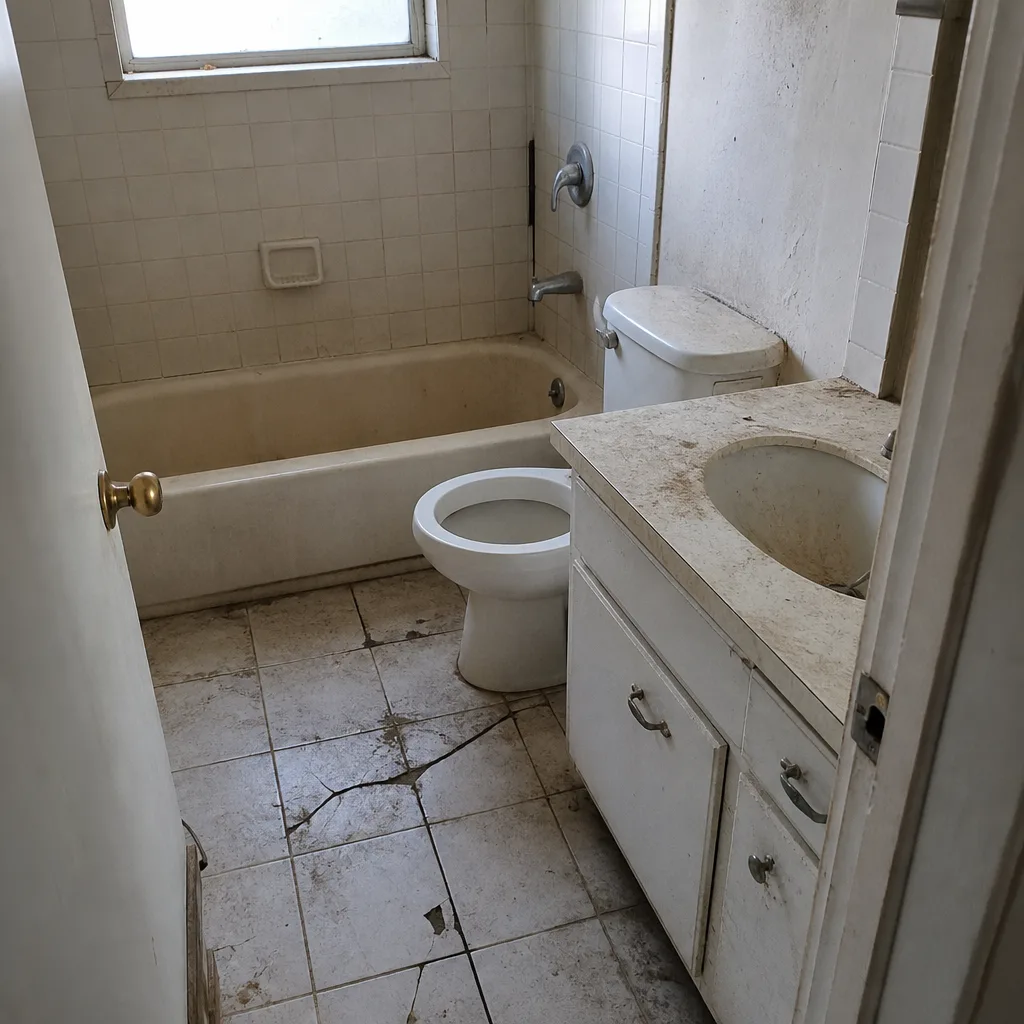 Before
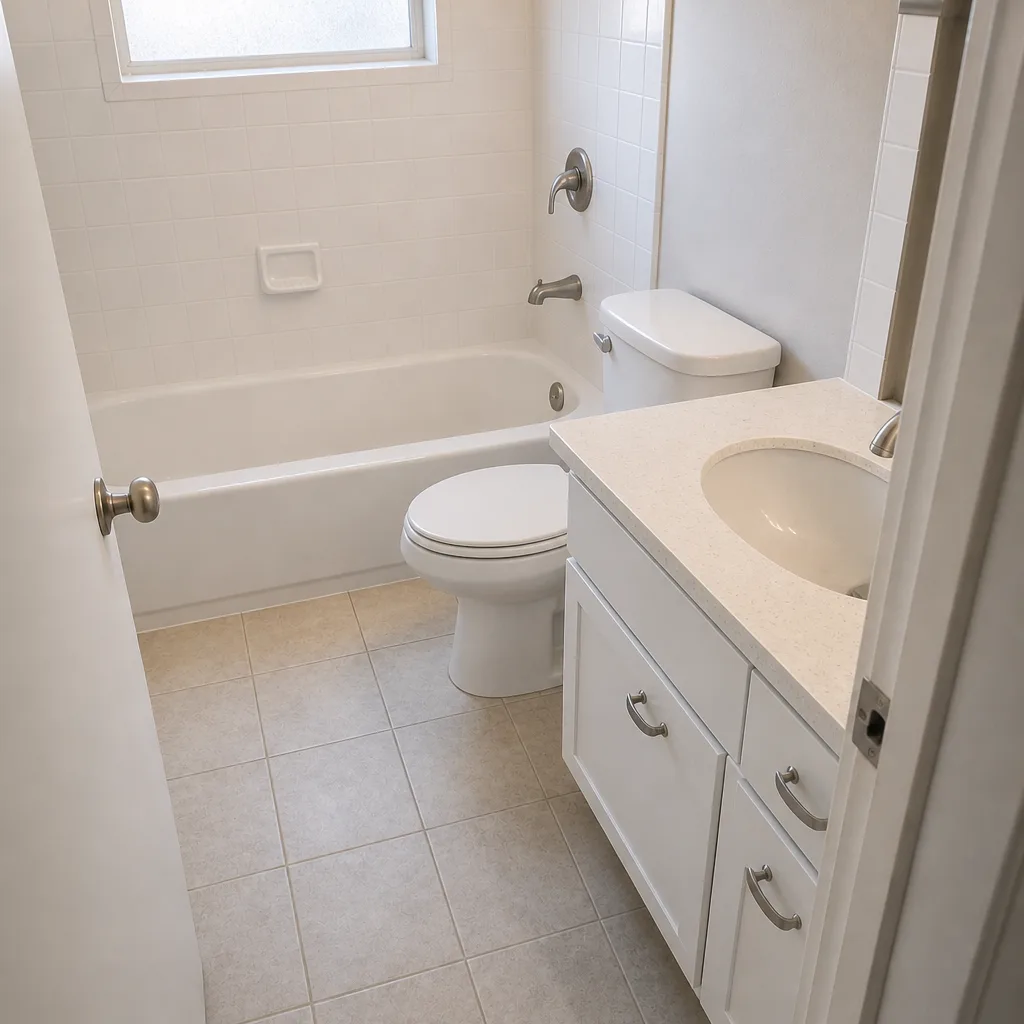 After
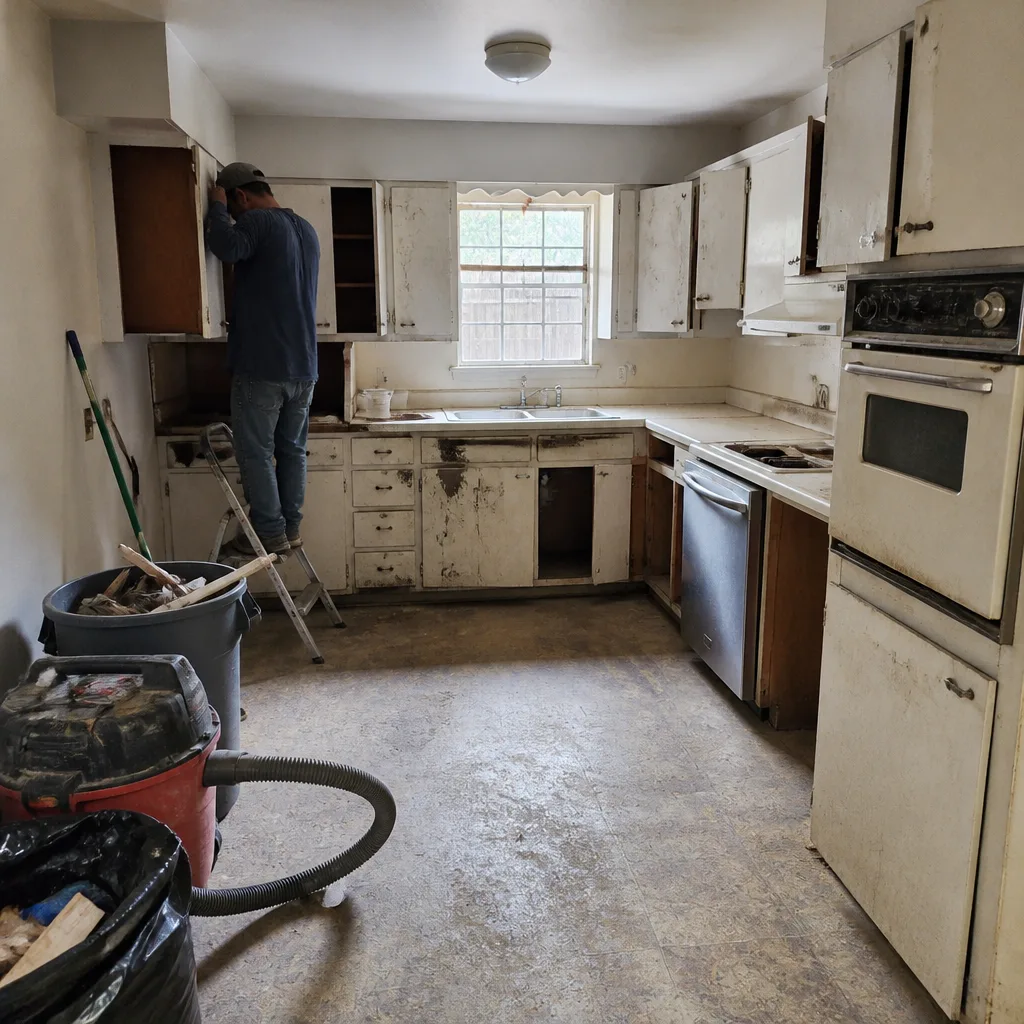 Before
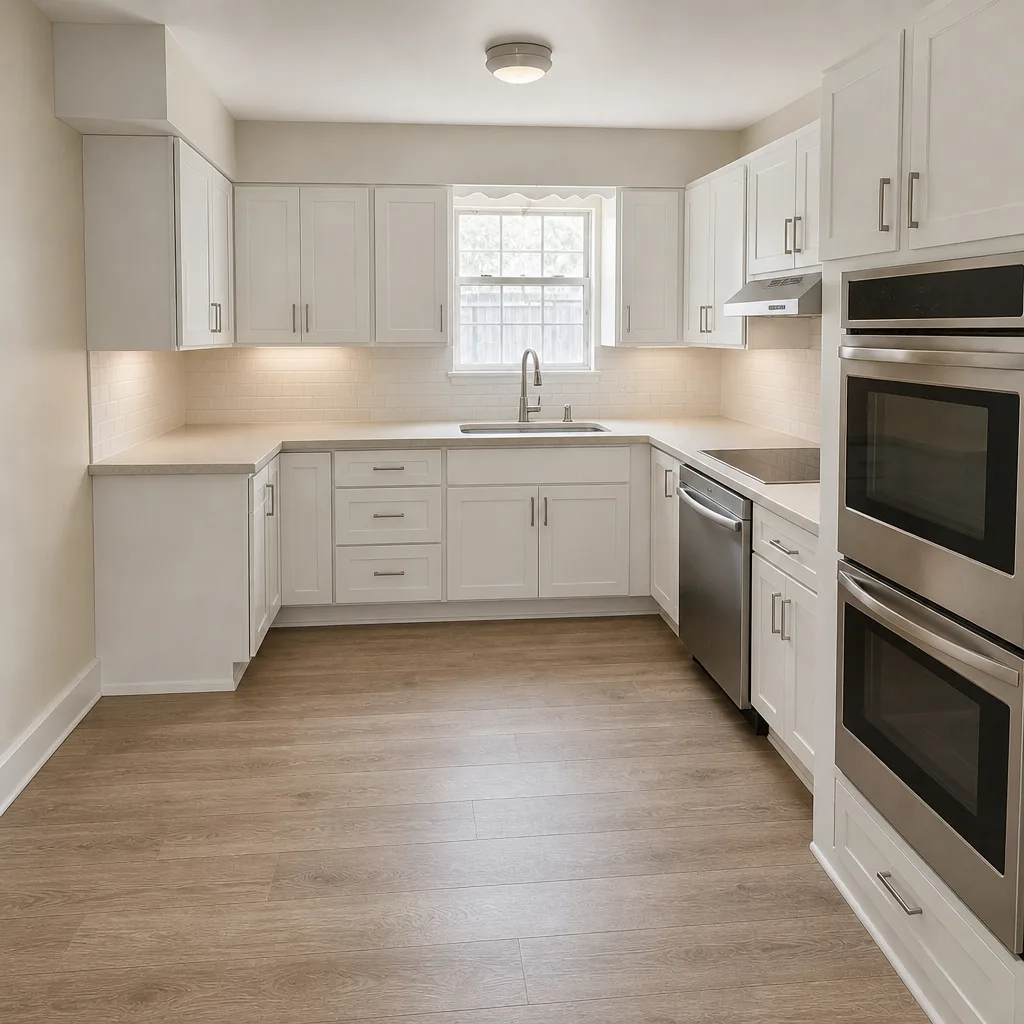 After
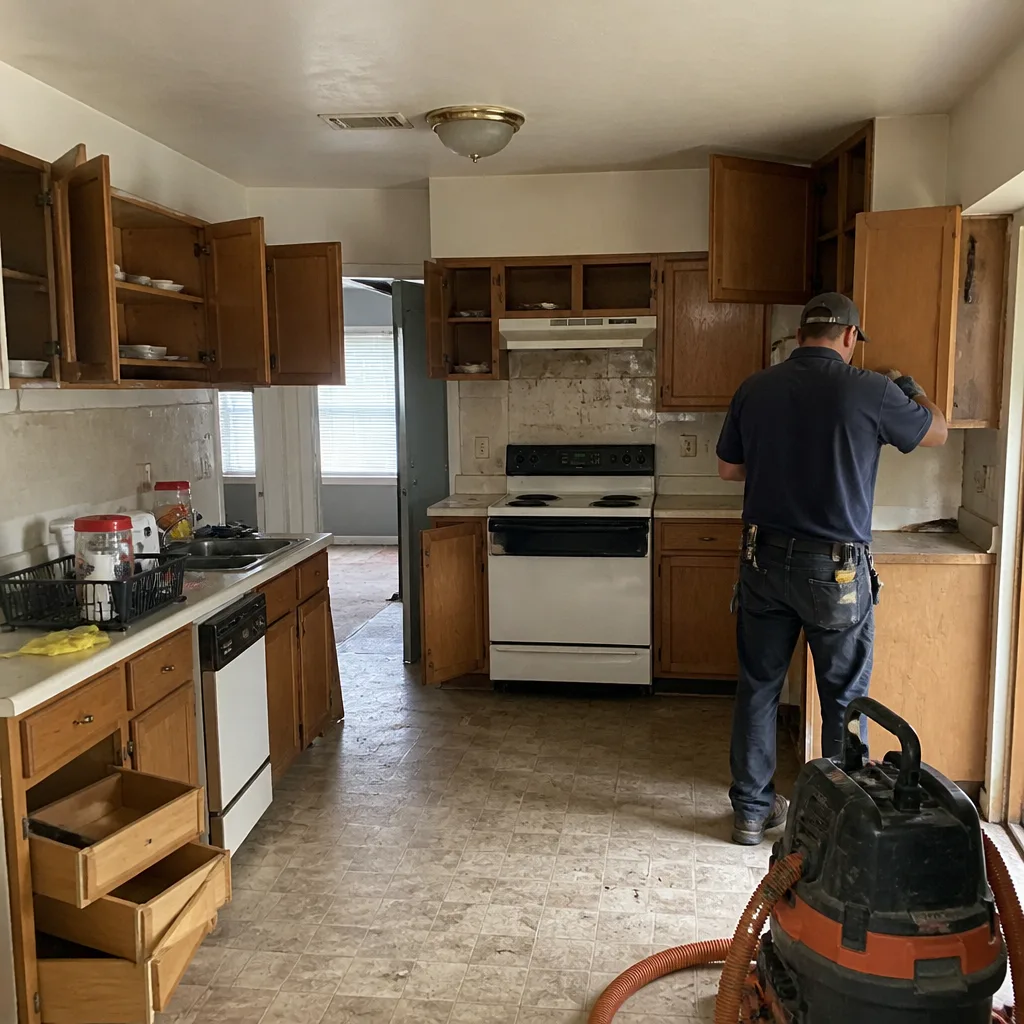 Before
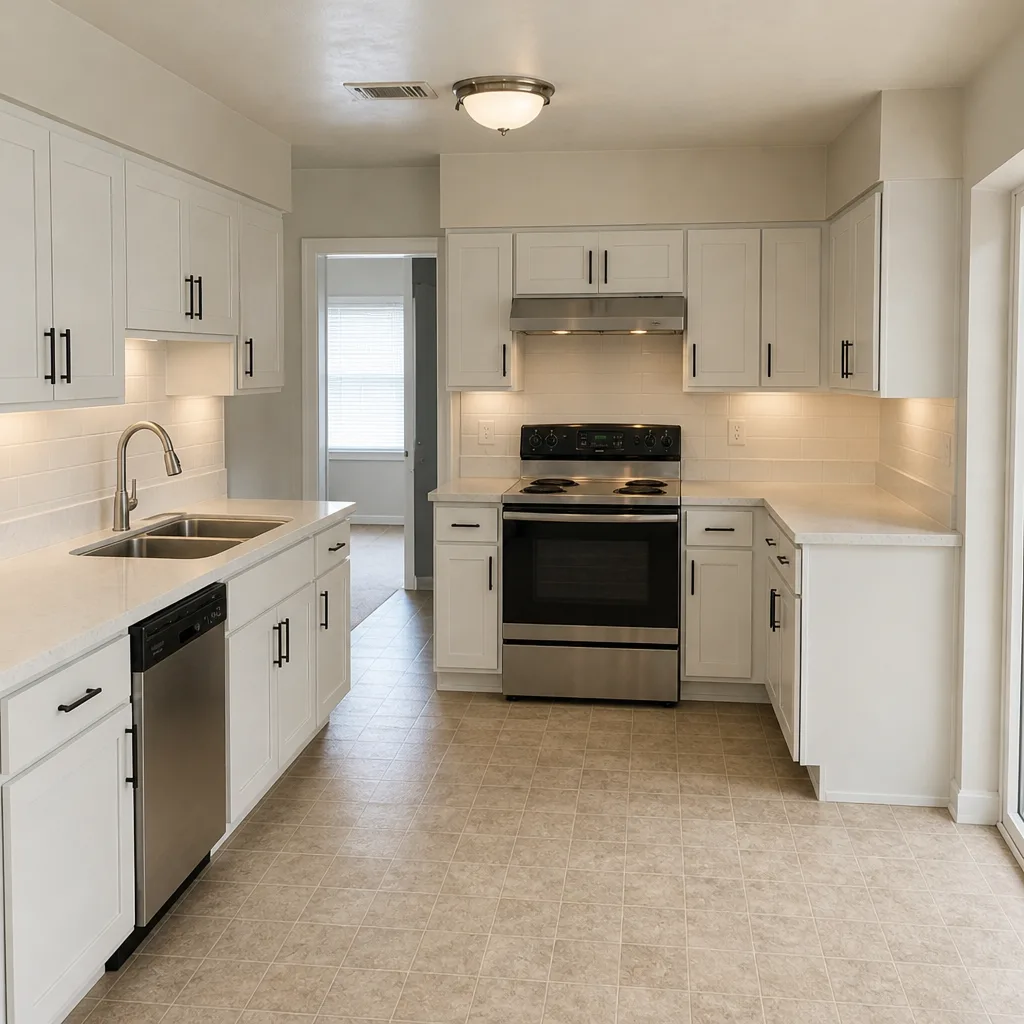 After
When to Call a Professional
Some jobs genuinely need a pro, and getting a written price is the fastest way to know what you’re actually buying. If you’re moving a wall, adding a bathroom, running new electrical or plumbing, or anything that touches the structure or a wet wall, that’s a permit-and-inspection job, and it needs a licensed contractor. Same story if the scope keeps changing or the numbers keep moving. Those are the red flags this guide has walked through, and the fix is a second, written opinion before you sign anything else. Penhallow Remodeling Garland offers free estimates in Garland, with a written price before any work starts and the 365-Day Done Right Promise included on every project. Call (844) 560-4146 to schedule yours.
Frequently Asked Questions

The biggest red flags are no written scope of work or price before work begins, a large upfront cash deposit, vague cost-plus or allowance-heavy pricing, pressure to skip permits, and a guarantee that exists only in conversation. Those five together predict most contractor disputes. If any one is missing, slow down and ask for it in writing. Call (844) 560-4146 for a free estimate with a fixed written price.
A modest deposit relative to the project size is standard, with the rest of the payments tied to completed milestones and a final draw held until walkthrough. A contractor who demands more than half the money before work starts, or cash with no receipt, is a warning sign. The safest structure is a written payment schedule attached to the contract, so each draw has a milestone attached. Call (844) 560-4146 and we’ll walk through a written price and schedule for your Garland project.
No, it isn’t legal to skip a permit when the work requires one, and the risk follows your property. Unpermitted work can surface during a home sale, an appraisal, or a later inspection, and the cost to correct it lands on the homeowner. In Garland and the surrounding suburbs, the requirement depends on the work: structural, electrical, plumbing, and additions need permits. Ask who pulls them and get the answer in the contract. Call (844) 560-4146 if you want a clear answer on your specific project.
“Cost plus” means you pay the contractor’s material cost plus a percentage markup, with no ceiling on the total. That feels fair until materials or timelines stretch, and the number moves upward with them. A fixed written price puts the overrun risk on the contractor, not you. On a typical Garland kitchen remodel of $18,000 – $55,000 depending on cabinet line and countertop, that difference matters a great deal. Call (844) 560-4146 for a fixed written price.
Read for specific patterns instead of the star average. Look for repeated mentions of timeline delays, change-order disputes, and whether the contractor returned calls. A wall of identical five-star reviews posted on the same day is noise; reviews that name actual projects, honest durations, and specific crews are signal. How a contractor responds to a one-star review tells you how they’ll treat you when something goes wrong. Call (844) 560-4146 to talk with a real person before you hire.
Yes. Every project carries the 365-Day Done Right Promise in writing: if the work fails inside the guarantee period, we come back and fix it at no charge, and the free return visit if a repair fails carries no service call and no re-inspection fee. The promise is on paper before work starts, not a verbal reassurance after. Call (844) 560-4146 to see a sample in writing with your free estimate.
The Bottom Line
Most contractor disasters don’t come from an obvious scam. They come from the reasonable-sounding shortcut: the verbal estimate, the large deposit, the missing scope, the skipped permit, the verbal guarantee. Protect yourself by insisting on five things before any work starts: a written scope of work, a fixed written price, a payment schedule tied to milestones, permits pulled and inspections passed, and a workmanship guarantee in writing with a named duration. Our technicians have up to 22 years of experience and arrive in uniform, background-checked, on every job. The number on day one should be the number on the invoice. Ask for it in writing, and don’t sign anything until you have it.
Penhallow Remodeling Garland connects you with independent local professionals who do the work, and every project comes with a written price up front, a defined arrival window, and the 365-Day Done Right Promise. Call (844) 560-4146 to schedule your free estimate and get your quote in writing.
Written by the team at Penhallow Remodeling Garland.