
Last updated November 18, 2026








Free written scope consultation - allowances, timeline, and change-order rules on paper before a single trade is scheduled
Home Remodeling Troubleshooting: Common Problems and How to Fix Them
A small efflorescence stain on a basement wall and a slightly sticky interior door are not cosmetic annoyances. They are early-warning instruments. In our experience, the difference between a remodeling problem that costs $400 to fix and one that runs $14,000 is almost always how quickly it was identified and whether the homeowner knew what to look for. A door that starts dragging in July tells you something about humidity and framing. A white chalky bloom on brick tells you water is moving where it shouldn’t. This guide gives you the diagnostic framework to read those signals before they turn into structural repairs.
Quick Answer
Most post-remodel problems fall into three buckets: workmanship issues your contractor should fix under warranty, material defects covered by a manufacturer, and maintenance failures that belong to you. The trick is identifying which bucket you’re in fast, documenting the symptom with dated photos and written notice, and not waiting to see if it “settles down.” Early diagnosis is what keeps a $400 callback from becoming a $14,000 structural job, and it’s why we put our 365-Day Done Right Promise in writing on every Garland project.
Styles & brands we work with
- Kitchen remodeling
- Bathroom remodeling
- Home additions & ADU
- Roofing
- Windows & doors
- Driveway & pavers
- Fence
Table of Contents
- Symptom-to-Cause Diagnostic Table
- Workmanship, Material Defect, or Maintenance? How to Tell
- The Documentation Process That Wins Warranty Claims
- The “It’ll Probably Be Fine” Trap
- Garland Climate Signals: Clay Soil, Humidity, and What They Do to Remodels
- What a Written 365-Day Guarantee Should Actually Do for You
- Small Fixes You Can Do Yourself (and When Not To)
- Common Mistakes to Avoid
Symptom-to-Cause Diagnostic Table
Here’s the framework we walk homeowners through. Match the symptom to the likely cause, then take the right first step. None of these are guesses pulled from thin air; they’re the patterns we see repeatedly on Garland remodels, from the older housing stock near downtown to the newer builds out toward Firewheel.
- Nail pops (screw heads or nails pushing through drywall): usually framing lumber drying and shrinking after installation, sometimes seasonal humidity swings. First step: photograph and note whether they appeared within the first six months. If clustered along a seam, it can signal insufficient fastening, which is a workmanship question.
- Grout cracking in a straight line along tile edges: often substrate movement or a missing expansion joint, not just “settling.” First step: check whether the crack follows a seam between backer board panels. If it does, that’s a workmanship conversation.
- Cabinet doors drifting open on their own: hinges out of adjustment, or a cabinet box that isn’t level. First step: check the reveal (the gap) at the top and bottom of the door. Uneven reveal points to installation, not the hinge itself.
- GFCI outlets tripping repeatedly: moisture intrusion, a shared neutral, or a genuine ground fault. First step: note which circuit and which rooms. Repeated trips are never normal and deserve a licensed electrician, not a reset-and-forget.
- Musty odors in a finished basement or bathroom: hidden moisture. First step: look for efflorescence, soft drywall, or a toilet that rocks. Odor without a visible source is the one symptom you should never postpone.
If you want the bigger picture of how a project should be sequenced so these symptoms don’t appear in the first place, our General Contractor in Garland page lays out the order of operations we follow.
Workmanship, Material Defect, or Maintenance? How to Tell
This is the single most useful distinction in remodeling troubleshooting, and most homeowners never learn it. It determines who pays, who you call, and how long the fix should take.
Workmanship issues (contractor’s responsibility)
These are installation errors. Examples: tile that sounds hollow when tapped because thinset coverage was thin; a cabinet run that’s out of level so doors never align; a shower that leaks at the curb because the waterproofing wasn’t lapped correctly. If the problem traces back to how something was put together, it’s on the contractor, and a written guarantee should cover it. A cement board substrate (the moisture-resistant layer behind your tile) installed without proper seams is a classic workmanship failure.
Material defects (manufacturer’s responsibility)
These are product failures. Examples: a Kohler faucet cartridge that drips within its warranty window, a cabinet door that delaminates, a quartz countertop with a factory flaw. We install brands like Cambria and Caesarstone precisely because they carry their own manufacturer warranties alongside ours, so you have two layers of protection instead of one.
Maintenance failures (your responsibility)
These are the wear-and-tear items. Examples: caulk at a tub edge that dried and split after two years, a clogged AC condensate line that stained a ceiling, grout that needs resealing in a wet area. Nobody’s warranty covers these, and a legitimate contractor will tell you so plainly rather than billing you for a callback.
When in doubt, document the symptom and ask your contractor directly which bucket they think it falls in. A straight answer within a day or two is a good sign. Silence or deflection is not.
The Documentation Process That Wins Warranty Claims
We’ve watched warranty claims succeed and fail on the same type of defect, and the difference was almost always paperwork. Here’s the process that works.
- Photograph with a timestamp. Use your phone’s camera, which embeds the date and time. Shoot wide (to show location) and close (to show the defect). Take a fresh set every two weeks so you can show whether it’s spreading.
- Write it down in plain language. “Grout crack along the shower curb, roughly 8 inches, appeared after week 3, now 14 inches as of the 12th.” Specificity is what makes a claim credible.
- Send written notice to your contractor. Email or text is fine; a phone call alone is not a record. State the symptom, the date you first noticed it, and ask for an inspection window.
- Keep a log of responses. Who you spoke to, when, and what they said. If a contractor runs out the clock on a guarantee, this log is your leverage.
- Don’t repair it yourself before inspection. Any attempt to fix it can void the warranty on that specific item, even when the original defect was clearly the contractor’s.
If you’ve been burned before by a contractor who vanished, this is the reason a written guarantee matters: it converts a handshake into a document you can hold someone to. That’s the whole idea behind Penhallow Remodeling Garland home and the way we run every job.
The “It’ll Probably Be Fine” Trap
The most expensive remodeling problems we see aren’t the ones homeowners couldn’t fix. They’re the ones homeowners waited on. Here’s the psychology and the specific signals that should override your instinct to give it a few more months.
Why we delay
Denial is cheap in the short term. A small crack looks like nothing. A slight door drag feels like humidity. And calling a contractor feels like admitting something went wrong. But every week of delay on a moisture problem is a week of hidden damage, and water doesn’t stop at the drywall.
Signals that should never wait
- Efflorescence: the white, chalky bloom on brick or concrete. It means water is migrating through the material and depositing salts. On its own it’s cosmetic; if it’s paired with a damp smell or soft flooring, it’s a moisture problem behind the wall.
- Changing door swing: a door that suddenly catches or swings on its own. That’s a hinge, a frame, or a foundation issue. In Garland’s expansive clay soil, slab movement is a real cause, and it’s worth ruling out early.
- Soft spots in flooring: a spongy patch near a toilet, tub, or exterior door. Soft subfloor means water has been there a while. This is the $400-to-$14,000 line in action.
- Musty smell after rain: a seasonal odor that appears only in wet weather points to a leak path, not a cleaning problem.
Our rule of thumb: if a symptom is growing, changing shape, or paired with a smell or softness, it’s inspection time, not wait-and-see time.
Garland Climate Signals: Clay Soil, Humidity, and What They Do to Remodels
Garland sits on expansive clay soil, and that single fact drives more remodeling callbacks here than any other cause we encounter. Clay swells when wet and shrinks when dry, and it moves foundations gradually. That motion shows up as hairline drywall cracks at corners, doors that drag in late summer, and grout that cracks along the longest tile runs.
Add North Texas humidity swings and you get two seasonal effects worth knowing. First, wood framing expands and contracts with moisture, so nail pops in the first year are often just lumber settling, not a defect. Second, exterior caulk joints at windows and doors take more of a beating than in drier climates, which is why we specify James Hardie siding on so many Garland exteriors: it holds up to humidity cycling far better than wood and carries its own manufacturer warranty.
What does this mean for you as a homeowner? Three things. Check your foundation’s perimeter drainage once a year. Re-seal exterior caulk joints every few years. And when you see a symptom, ask whether it correlates with a wet or dry season. That correlation often tells you more than the symptom itself. If you’re in the middle of a bathroom project, our Bathroom Remodeling in Garland page covers the waterproofing details that prevent the most common post-remodel moisture problems.
What a Written 365-Day Guarantee Should Actually Do for You
A guarantee is only as good as the process behind it. A written 365-Day Done Right Promise should cover labor and materials for a full year after completion, and it should define exactly what happens when you call. Here’s what a legitimate contractor’s response process looks like against one that’s just running out the clock.
Legitimate response process
- You call and reach a live person, not voicemail, and get a real arrival window.
- The contractor inspects within a reasonable window and puts the diagnosis in writing.
- If the failure is covered, the repair is scheduled and completed at no charge.
- If a repair fails again, there’s a free return visit with no service call or re-inspection fee.
Red flags
- Voicemail-only contact and vague callback promises.
- “That’s just settling” offered as a final answer without an inspection.
- Guarantee language in a contract that excludes everything that could realistically fail.
- Slow-walking until the guarantee period lapses.
We believe the guarantee should be in writing before work starts, alongside a written price. Not a verbal ballpark that changes at the door, but a number you can hold us to. That’s the standard we operate under, which is why every Penhallow project comes with both a written price and a written guarantee up front.
Small Fixes You Can Do Yourself (and When Not To)
Not every post-remodel symptom needs a contractor. Here’s the split, clearly.
Reasonable DIY fixes
- Re-caulking a tub surround edge that’s dried and split (buy a good silicone caulk and follow the label).
- Adjusting cabinet hinges to correct a drifting door, if the cabinet box itself is level.
- Resetting a GFCI outlet once and watching to see if it holds; noting the date if it trips again.
- Tightening a loose cabinet pull or door handle.
Do not attempt yourself
Anything involving gas lines, electrical panels or wiring beyond a GFCI reset, or structural framing is not a homeowner job. These carry genuine injury risk, and a mistake can void both your warranty and your insurance coverage. Call a licensed professional. For a remodeled bathroom, a Delta or Toto fixture install can look simple on video and go very wrong on a shutoff valve. Treat the plumbing wall and the electrical panel as off-limits.
If you’re planning a project and want to know how a kitchen scope comes together before work starts, our Kitchen Remodeling in Garland page walks through the budget ranges and sequencing.
Common Mistakes to Avoid
- Repairing before documenting. Fixing a defect yourself before your contractor inspects it can void the warranty on that item. Photograph and notify first.
- Calling instead of writing. A phone conversation is not a record. Send written notice so there’s a paper trail with dates attached.
- Assuming every crack is “settling.” Hairline drywall cracks are often cosmetic, but a crack that keeps growing in a straight line deserves inspection.
- Choosing the cheapest bid. The lowest number often becomes the highest cost once change orders appear after demo day. Get a written price with line items, not a verbal range.
- Ignoring spring and fall humidity swings. North Texas seasons create real symptoms (nail pops, door drag) in the first year. Know which are normal settling and which aren’t.
- Waiting six months to report a musty smell. Odor is the symptom homeowners most often rationalize. It’s the one most likely to signal hidden water damage.
- Hiring someone who won’t put the guarantee in writing. A guarantee that only exists in conversation isn’t a guarantee. Ask for it on paper before work starts.
See the difference
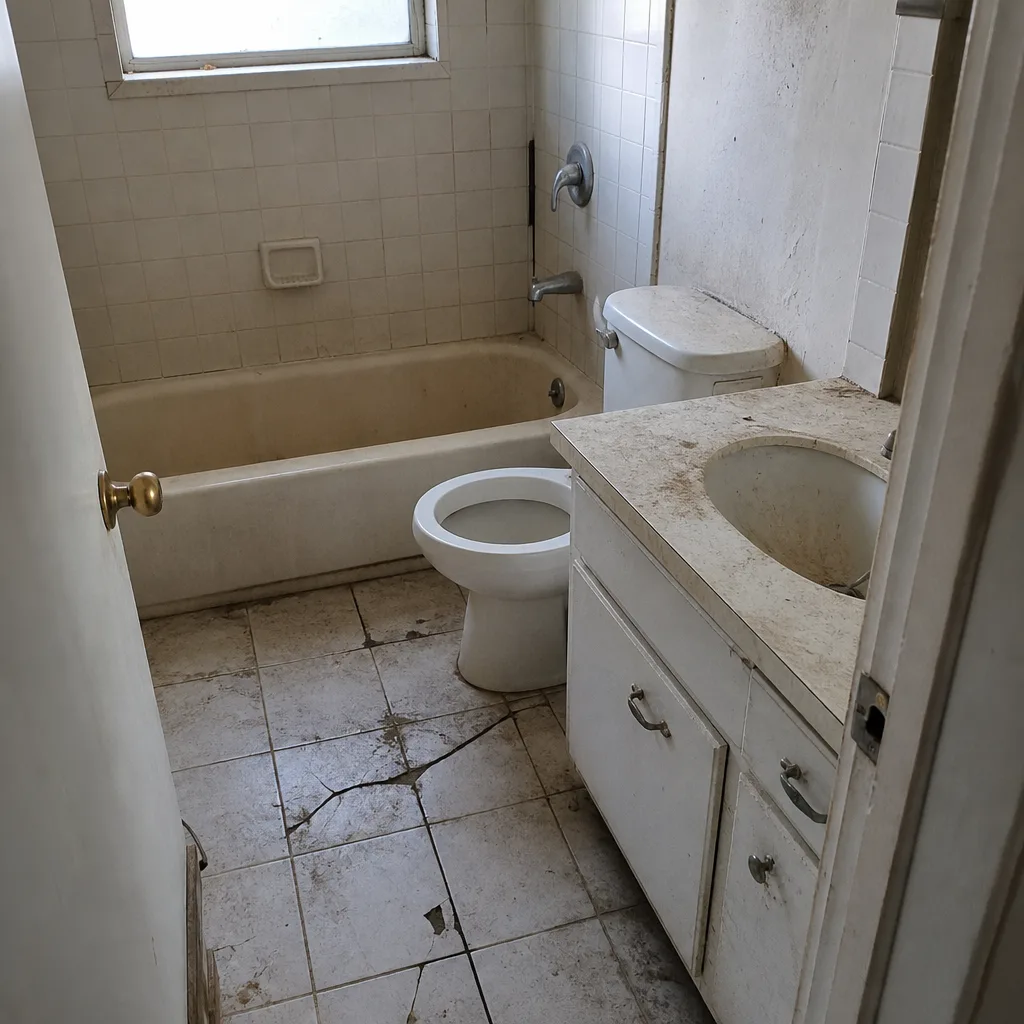 Before
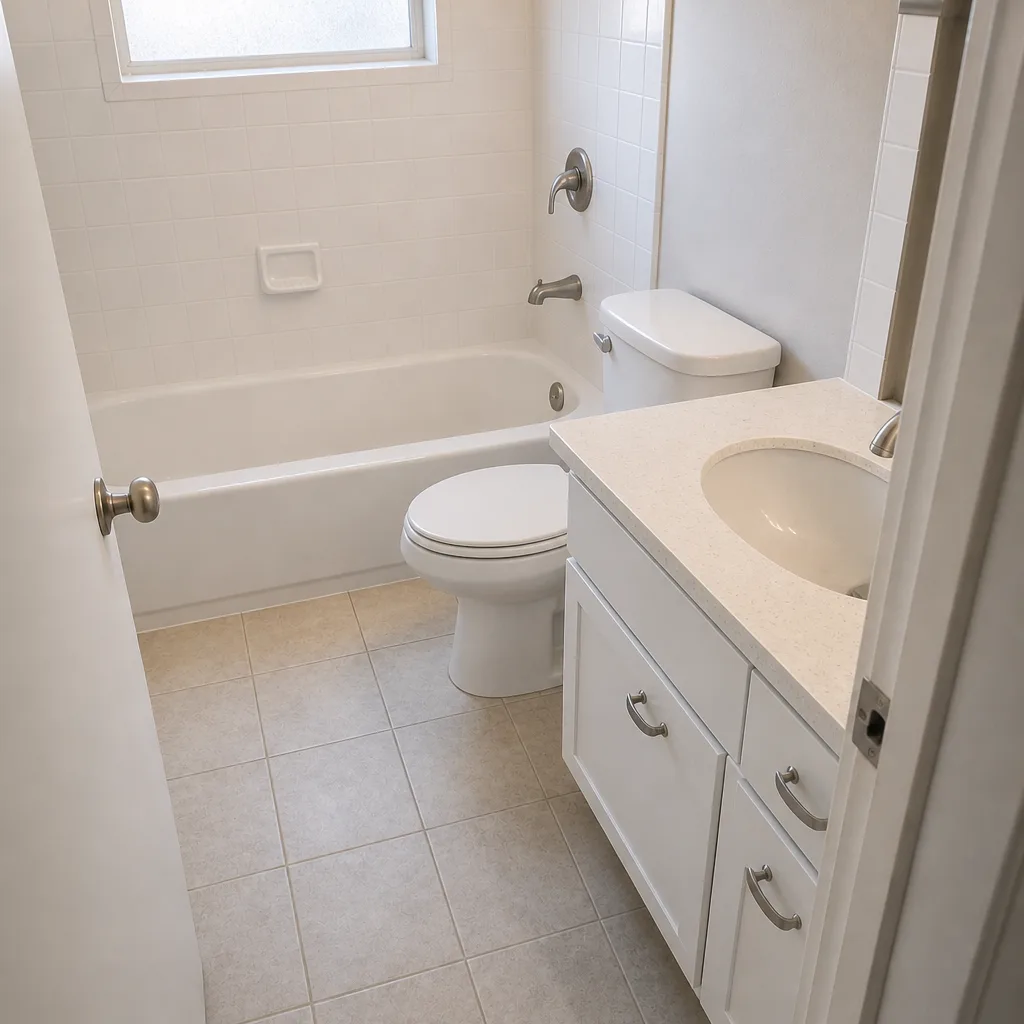 After
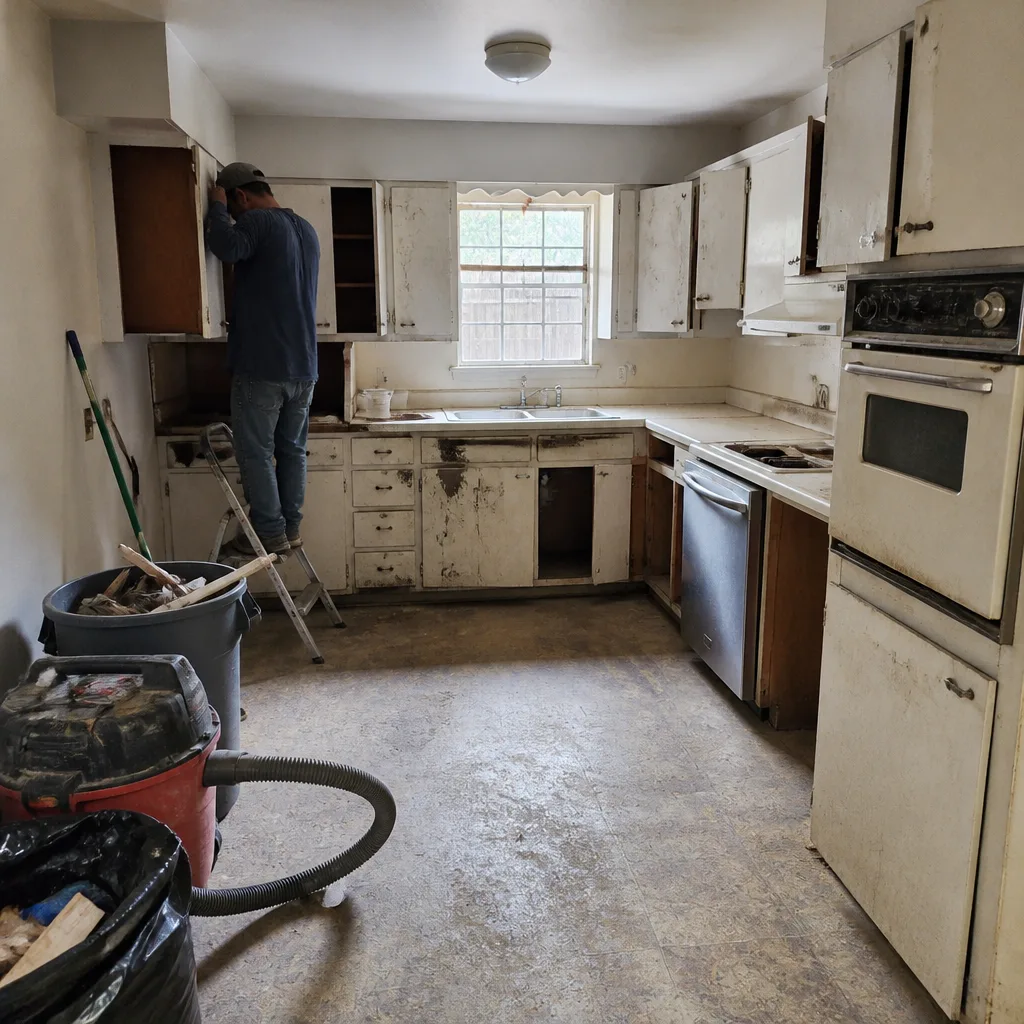 Before
 After
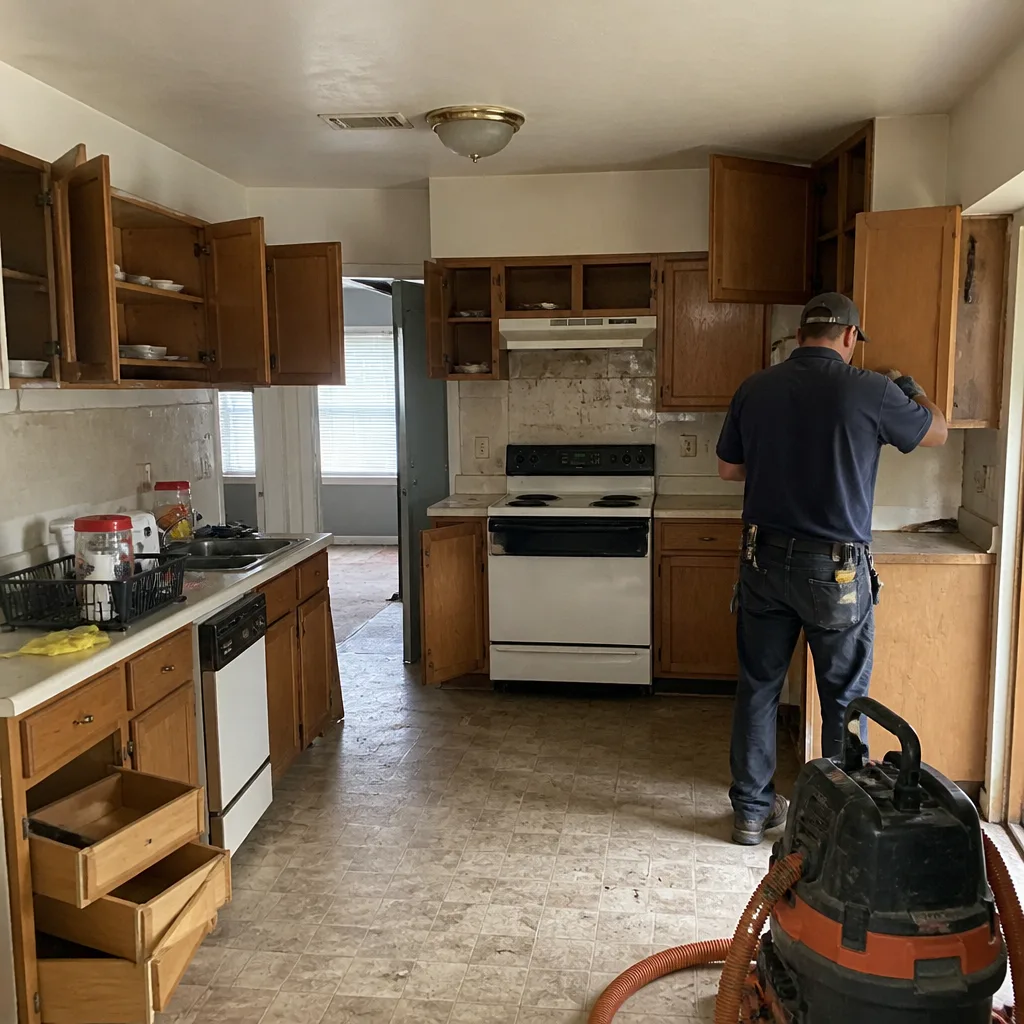 Before
 After
When to Call a Professional
Some problems are genuinely worth a call. Call a professional if a nasty symptom has any of these features: it’s growing or changing shape, it’s paired with a musty smell or soft flooring, it involves electrical (any GFCI tripping repeatedly), it appeared within the warranty period on a recent remodel, or you’ve already tried tightening the obvious thing and it didn’t hold. Also call if the symptom traces to water moving where it shouldn’t, because moisture problems never stop at the visible surface. Penhallow Remodeling Garland offers free estimates in Garland, so there’s no cost to get a diagnosis in writing. Call (844) 560-4146 to schedule yours.
Frequently Asked Questions
It depends entirely on which bucket the problem falls into. Covered workmanship and material defects should cost you nothing under a legitimate guarantee. Out-of-warranty repairs typically run $150 to $600 for minor items like caulk replacement, hinge adjustments, or a single tile repair, with structural or moisture-source problems pushing higher. Call (844) 560-4146 for an exact quote. Estimates are free.
Trace the symptom back to installation. If the tiles sound hollow, the cabinet run is out of level, or the waterproofing failed at a seam, the cause is how the work was put together, which is a workmanship issue covered by the contractor’s written guarantee. If it’s a product itself failing, that’s the manufacturer’s warranty. If it’s wear and tear like dried caulk or a clogged line, it’s maintenance and yours to handle.
You shouldn’t wait at all if the symptom is growing or paired with a smell or softness. For minor things like a single nail pop, note the date, take a photo, and mention it at your next check-in. Get it in writing either way, because the guarantee clock favors prompt documentation, not patience.
Settling cracks are typically hairline, jagged, and occur in drywall corner joints during the first year as the house adjusts. Workmanship cracks tend to be straight lines along tile seams, or clustered where backer board panels meet, and they map to how the substrate was installed rather than how the house is moving.
That’s the right question to ask before hiring. A real guarantee comes with a written process: a live person answering the phone, an arrival window, a written diagnosis, and a free return visit if the repair fails. One that only exists in conversation isn’t worth much. Ask to see the guarantee in writing as part of your bid review.
You can safely handle cosmetic items like re-caulking a tub edge, tightening a cabinet handle, or adjusting a hinge. But do not touch the gas line, the electrical panel or wiring, or any structural element, both because it’s genuinely dangerous and because it can void the warranty. When in doubt, call first and ask whether the fix is covered.
The Bottom Line

Most remodeling problems are readable if you know the signs. Nail pops and hairline drywall cracks are often normal settling; grout cracks along seams and doors that drag in season are worth a closer look; efflorescence, soft spots, and musty odors should never wait. The framework is simple: match symptom to cause, sort the problem into workmanship, material defect, or maintenance, document with dated photos and written notice, and don’t give in to the delay instinct. A written 365-Day Done Right Promise, a real process for troubleshooting, and a live person answering the phone turn a scary-sounding defect into a scheduled fix. If a symptom in your Garland home needs a professional eye, Penhallow Remodeling Garland is here. Call (844) 560-4146 to schedule your free estimate.
Written by the team at Penhallow Remodeling Garland.