
Last updated November 18, 2026








Free written scope consultation - allowances, timeline, and change-order rules on paper before a single trade is scheduled
Construction Warning Signs: A Garland Homeowner’s Reference Guide
Most construction warning signs that Garland homeowners miss aren’t dramatic. They’re slow, quiet, and easy to rationalize as normal. A faint crack above the garage. A door that scrapes in July and swings free in January. A ceiling stain you tell yourself is “probably nothing.” In our experience, the expensive calls are almost never the ones where a wall caves in overnight. They’re the ones where a homeowner waited three seasons on a signal that was readable the whole time. This guide walks through what to actually look for in a Garland house, what each sign points to, and which ones give you time to plan versus which need a contractor this week.
Quick Answer
The most important construction warning signs in a Garland home are diagonal stair-step cracks in brick or drywall, doors and windows that suddenly stick, ceilings or walls with brown staining patterns, and floor slopes you can measure with a level. These point to foundation movement, water intrusion, or hidden workmanship problems, and they rarely fix themselves. Warning signs fall into two groups: document-and-watch (fine for a season) and call-now (this week, not next spring).
Styles & brands we work with
- Kitchen remodeling
- Bathroom remodeling
- Home additions & ADU
- Roofing
- Windows & doors
- Driveway & pavers
- Fence
Table of Contents
- Reading Cracks: Hairline vs. Structural in North Texas Clay
- Water Warning Signs: Roof, Plumbing, or Condensation?
- Floor and Door-Frame Symptoms of Foundation Movement
- Signs a Previous Contractor Cut Corners
- Watch and Document vs. Act Immediately
- Why Garland Seasons Change What You See
- Common Mistakes to Avoid
- When to Call a Professional
Reading Cracks: Hairline vs. Structural in North Texas Clay
Garland sits on expansive clay soil, the kind that swells when it’s wet and shrinks hard when it dries out. That clay is the single biggest reason a crack pattern means something different here than it would in, say, sandy East Texas. When the clay under one corner of a slab loses moisture faster than the rest, that corner drops. The house above it distorts, and the drywall or brick tells you where.
Here’s how to sort what you’re looking at:
- Hairline cracks under 1/16 inch (about the width of a credit card edge) in drywall corners are usually cosmetic and often appear after a dry summer. Watch them, photograph them with a ruler, and mark the ends with pencil so you can tell if they grow.
- Diagonal cracks that run at roughly 45 degrees from the corner of a door or window toward the ceiling are the classic clay-soil signature. They point to differential movement, meaning one part of the foundation is moving relative to another.
- Stair-step cracks in brick mortar are the same story told in masonry. If the crack follows the mortar joints in a staircase pattern and is wider than a nickel, that’s a foundation question, not a masonry one.
- Horizontal cracks in a foundation wall or a brick course are the ones that get urgent. They suggest a wall is being pushed or bowing, and they don’t wait politely for you to budget for them.
In Garland neighborhoods like Orchard Hills and Club Hill, we regularly see diagonal cracks show up in the first dry stretch after a wet spring. One season of movement is a conversation. Three seasons of the same crack widening is a structural repair that costs multiples of what an early look would have. The pattern matters more than the crack. A single hairline you can’t feel with a fingernail is one thing; a matching pair on opposite corners of a doorway is the house telling you the frame is racking.
One safety note: any time a crack is accompanied by a bowing wall, a sagging header, or a door that won’t latch, treat it as a structural question for a licensed professional. This isn’t a DIY read.
Water Warning Signs: Roof, Plumbing, or Condensation?
Water stains are the most misread warning sign in Garland homes, because the stain location usually has nothing to do with where the water started. The shape and color of the stain are the clues. Here’s how to read them:
- Concentric rings or a brown tide-line on a ceiling that reappears after heavy rain points to a roof or flashing failure. The rings are the water re-wetting and drying at the same edge. Look uphill from the stain, which may be a different room or the attic above it.
- A single, spreading stain with no rain correlation is more likely plumbing. It grows on its own schedule, often under a bathroom or along a supply line. This one needs a plumber and a moisture reading, not a paint touch-up.
- Fuzzy white or gray bloom on drywall near a window or exterior wall is usually condensation, not a leak. In Garland’s humid summers, cool interior air and warm exterior walls create it. That’s a ventilation and insulation question, not a roof replacement.
- Dark or soft spots on a baseboard or a musty smell that never goes away suggest a slow leak inside the wall. Drywall that crumbles when you press it has been wet for a while.
Roof age is a factor worth knowing. A roof on an Owens Corning or IKO shingle system in Garland typically has a 20 to 25 year window depending on attic ventilation, and a south-facing slope here bakes harder than the north side. If you see granule loss in the gutters and a stain on the ceiling in the same year, that’s a roof at the end of its life, not a mystery. Attic ventilation and flashing at the chimney and valleys are the two spots Garland roofers see fail first.
Don’t paint over a water stain. It hides the evidence a contractor needs. Circle it in pencil and note the date, then watch whether it grows. That record is worth more than any guess.
Floor and Door-Frame Symptoms of Foundation Movement
Cracks get the attention, but floors and doors are the more reliable instrument. When a slab moves, the frame of the house flexes with it, and the symptoms show up in the places that don’t bend well: door frames, window frames, and floors that were flat when they were poured.
Here’s the measurement framework we use:
- A door or window that suddenly sticks in a room where it used to swing free is a foundation signal, especially if it changes with the season. A door that sticks a little more each month is a different, more serious case than one that swells in July and frees up in October.
- A visible gap between a door frame and the wall along the top corner, more than 1/8 inch, means the frame has separated from the surrounding drywall. That’s racking.
- Floor slope you can measure is the clearest threshold. A floor that drops more than about 1/4 inch over a 10-foot run, or a floor you can feel slope underfoot, is worth a professional reading. That’s the “call now” line in our book.
- A crack in the slab, tile, or a grout line that runs continuously across a room and doesn’t follow the tile pattern is a foundation symptom, not a tile failure. Tile cracks at random; foundation cracks run in a line.
Garland has a mix of 1950s and 1960s single-story ranches on original slabs and newer two-story builds in areas like Firewheel. The older homes move differently because the slab is thinner and the plumbing is often cast iron, so a plumbing leak under the slab can wash out soil and mimic a foundation drop. When we see a floor symptom, we ask about water bills and slow drains, because the fix order matters. If you’re planning a kitchen remodel, those floor symptoms decide what’s under the new cabinets. That’s one reason we always walk the foundation before quoting a remodel. You can see how floor and layout issues shape a quote on our Kitchen Remodeling in Garland page.
Signs a Previous Contractor Cut Corners
Some of the warning signs you’ll find in a Garland home aren’t the house failing. They’re the last crew’s work failing. These are the quiet tells we’ve learned to spot, and they matter most when you’re about to remodel a room and want to know what you’re building on top of.
- Grout lines that wander. A professional tile setter keeps grout joints an even width and a consistent line. Grout that pinches in and widens out, or a corner where the pattern jumps, signals rushed setting or a backsplash laid over a rough wall instead of a flat cement board substrate (the moisture-resistant layer behind your tile). Tile fails from underneath, not usually from the face.
- Caulk instead of a proper joint. A bead of caulk where a tile should meet a wall or where a trim should meet a cabinet is a shortcut. Caulk is a flexible seal, not a structural transition. When it shrinks, you get a crack that looks like a structural problem but is really a finish problem.
- Trim and casing that don’t meet cleanly. Look at inside corners and where baseboard meets door casing. A gap, a filler smeared over, or a miter that opens up in two years tells you the carpenter cut it fast and didn’t cope the joint.
- Cabinets that aren’t level or plumb. Open a door and let it go. If it swings shut on its own, the cabinet is out of level. If the reveal along the doors varies from top to bottom, the box is twisted. That tells you the install was rushed, which makes you wonder about the fasteners.
- Paint over caulk over nothing. A fresh coat of paint is the cheapest way to hide a bad repair. Look for paint on the hinges, paint in the grout, and a seam that has no caulk at all under a fresh bead.
If you’re inheriting a house or remodeling a room someone else touched, these details tell you what to trust and what to open up. A shortcut at the finish often hides one underneath, in the framing, plumbing, or electrical. That’s why a written scope of work matters so much on a remodel. If you want to see how we scope this, our Bathroom Remodeling in Garland page shows the substrate and waterproofing layer behind every tile job.
Watch and Document vs. Act Immediately
Not every warning sign is a crisis. The trick is sorting them, because treating a cosmetic crack like an emergency drains your budget, and treating a structural crack like a cosmetic one drains it faster.
Use this decision framework:
- Watch and document if: the crack is hairline and doesn’t grow between seasons, the stain is old and hasn’t changed, and a door sticks only in humid weather. Photograph it with a dated reference and a ruler, mark the crack ends, and check quarterly.
- Schedule a contractor visit within a month or two if: a crack has grown since you marked it, a floor slope is new, a ceiling stain appeared after rain, or you’re about to remodel a room where you’ve seen these signs.
- Call now, this week, if: a door or window won’t latch at all, a wall is visibly bowing, a horizontal crack appears in the foundation or brick, a ceiling is sagging or soft, or water is actively coming in. These are the cases where a structural contractor, not a remodeler, is the right call, and delaying costs more every month.
If you’re not sure which group you’re in, that’s not a failure. The judgment to sort them is part of what a contractor does. What we can offer is a written read: what we see, what it likely points to, and what to do next, with a written price if any work is needed. That written-price habit is the core of how we operate, and it’s how a general contractor in Garland should hand you a number. You can see how we scope it on our General Contractor in Garland page.
Why Garland Seasons Change What You See
The timing of when a warning sign shows up is a clue in itself. Garland’s climate runs hot, dry summers and wet springs, and the clay soil under most of the city swells and shrinks with that cycle. A crack that opens in August and seems to heal by November is movement, not a phantom. It will reopen wider next summer.
- Spring: watch for roof and flashing stains after storm season. Owens Corning, Atlas, and Tamko shingle systems all fail first at the valleys and penetrations, and spring is when you see it.
- Summer: the dry stretch is when foundation and door symptoms sharpen. That’s when we see the most diagonal cracks in Garland homes.
- Fall: a good time to document. Take photos of every crack and stain with a date so you can compare year over year.
- Winter: the freeze-thaw swings here are milder than north of us, but a cold snap after a wet fall can move clay fast. Watch for new sticking doors and fresh grout cracks.
Reading the season tells you which system is likely behind the symptom, and that decision is the difference between a $300 repair and a $3,000 one. It’s also why we walk a house before we quote a remodel, even a small one. If you’re planning a larger project and want the whole-house read, the overview on our Penhallow Remodeling Garland home page walks through how a full-home scope starts with the foundation and the envelope.
Common Mistakes to Avoid
- Painting over a water stain. It hides the evidence a contractor needs to find the source, and the stain comes back. Circle it in pencil and date it instead, then watch whether it grows.
- Filling a structural crack with spackle and calling it fixed. Spackle covers a symptom without addressing the movement behind it. In Garland’s clay, the crack reopens and takes the spackle with it.
- Assuming a sticking door is just humidity. A door that sticks more each month, instead of swinging free by October, is a foundation signal, not a weather problem.
- Accepting a verbal estimate on a repair or remodel. A number said out loud at the kitchen table and a number on the invoice are two different numbers unless the first one was written down. Every quote should be a written line-item price before any work starts.
- Hiring on price alone after seeing three bids. The lowest bid on a foundation-adjacent job usually means the substrate, ventilation, or fastening was left out of the scope. Ask what’s included and what’s not.
- Waiting until the crack is a problem in three rooms. One documented crack is a conversation; cracks on opposite walls in the same year is a pattern. The second one is where the cost multiplies.
- Ignoring a slow drain and a high water bill together. That combination under a slab can wash out soil and mimic foundation drop in a Garland ranch. Fix the plumbing first, then judge the foundation.
See the difference
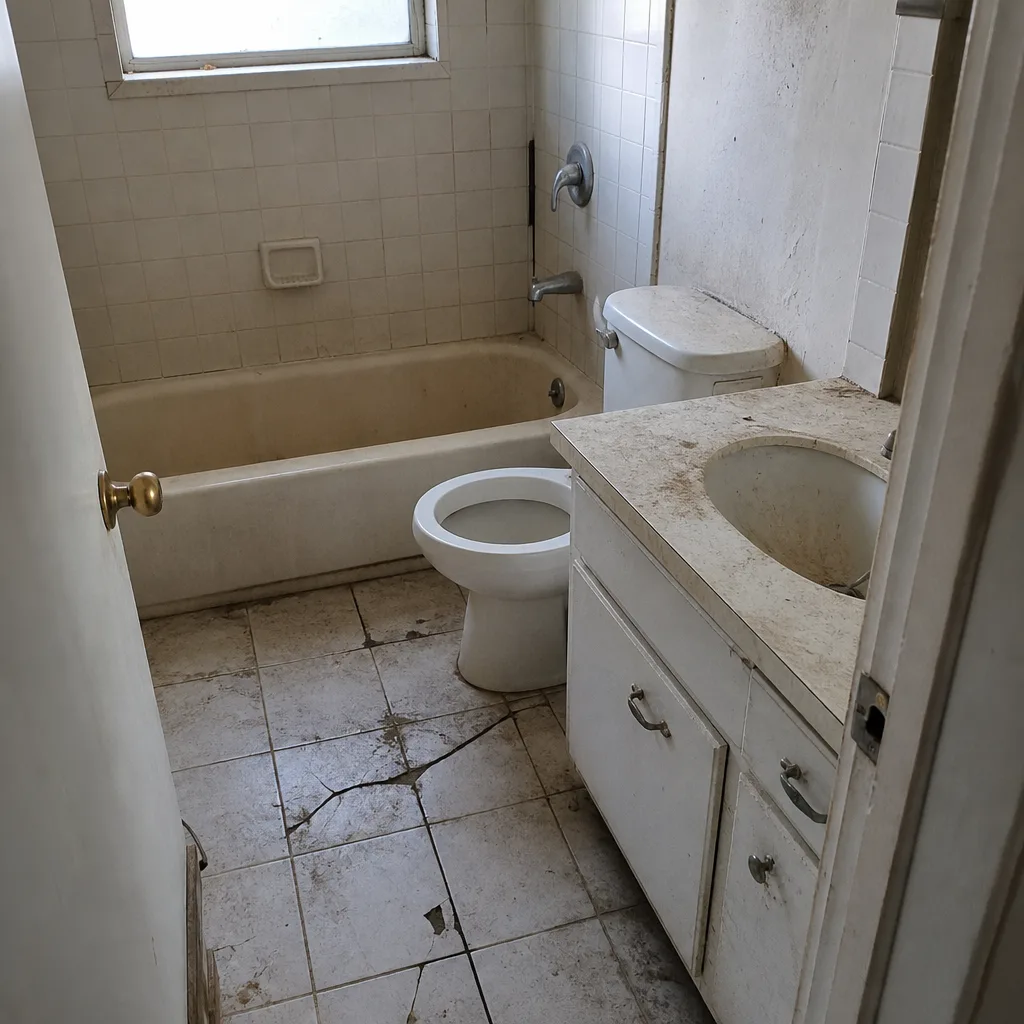 Before
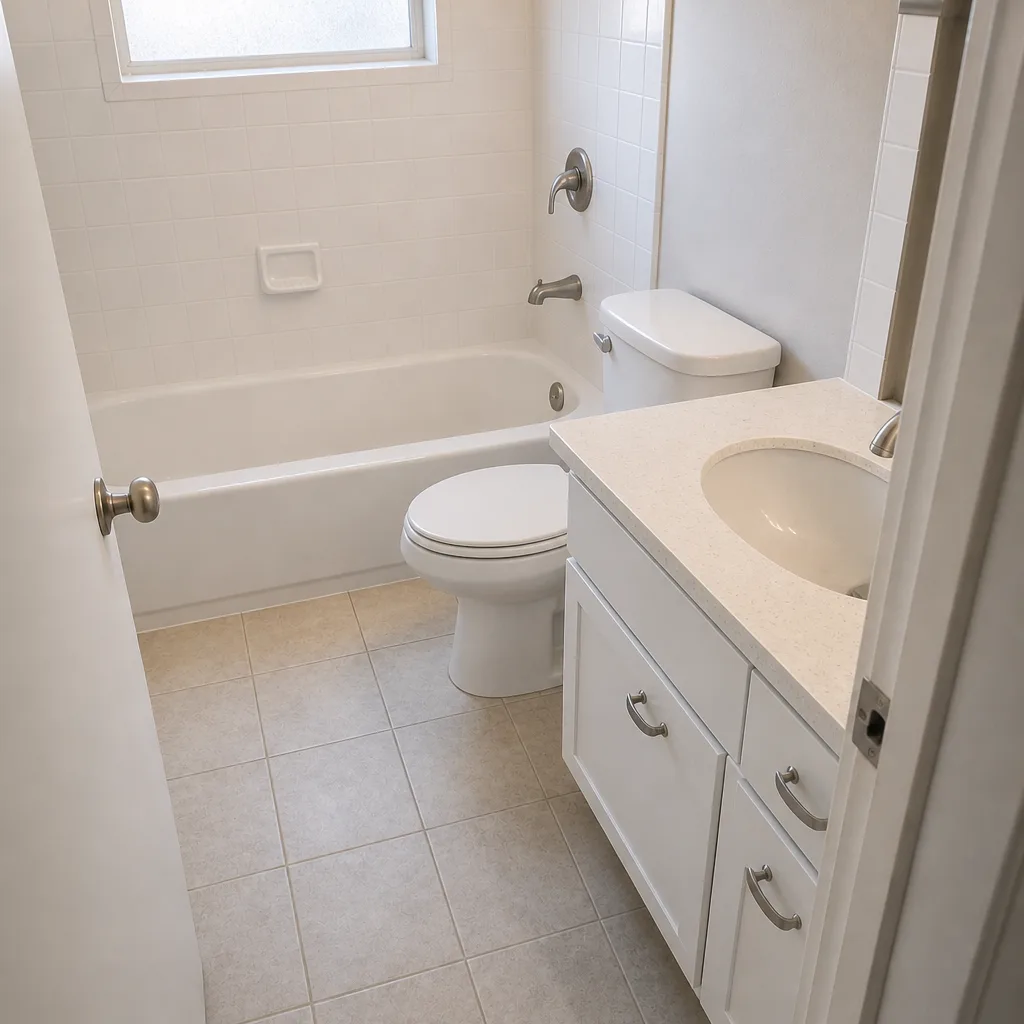 After
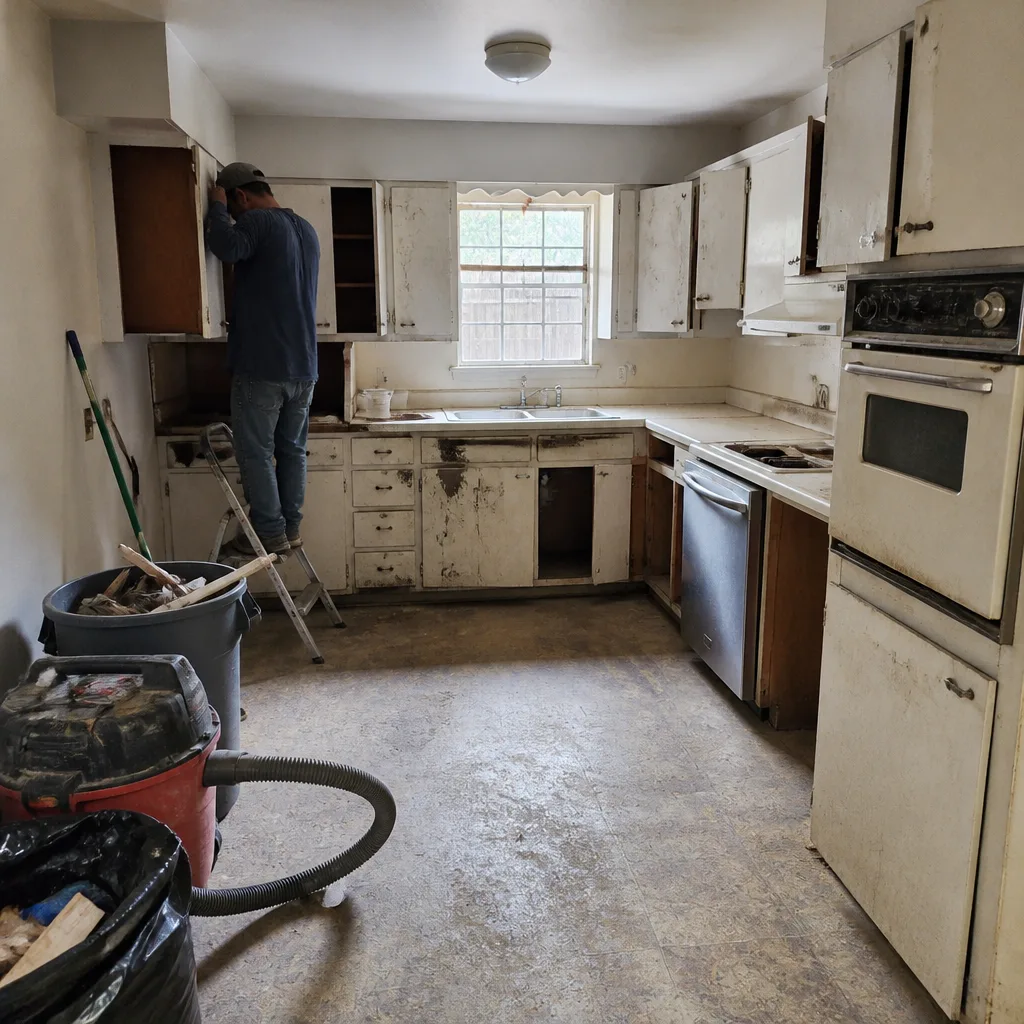 Before
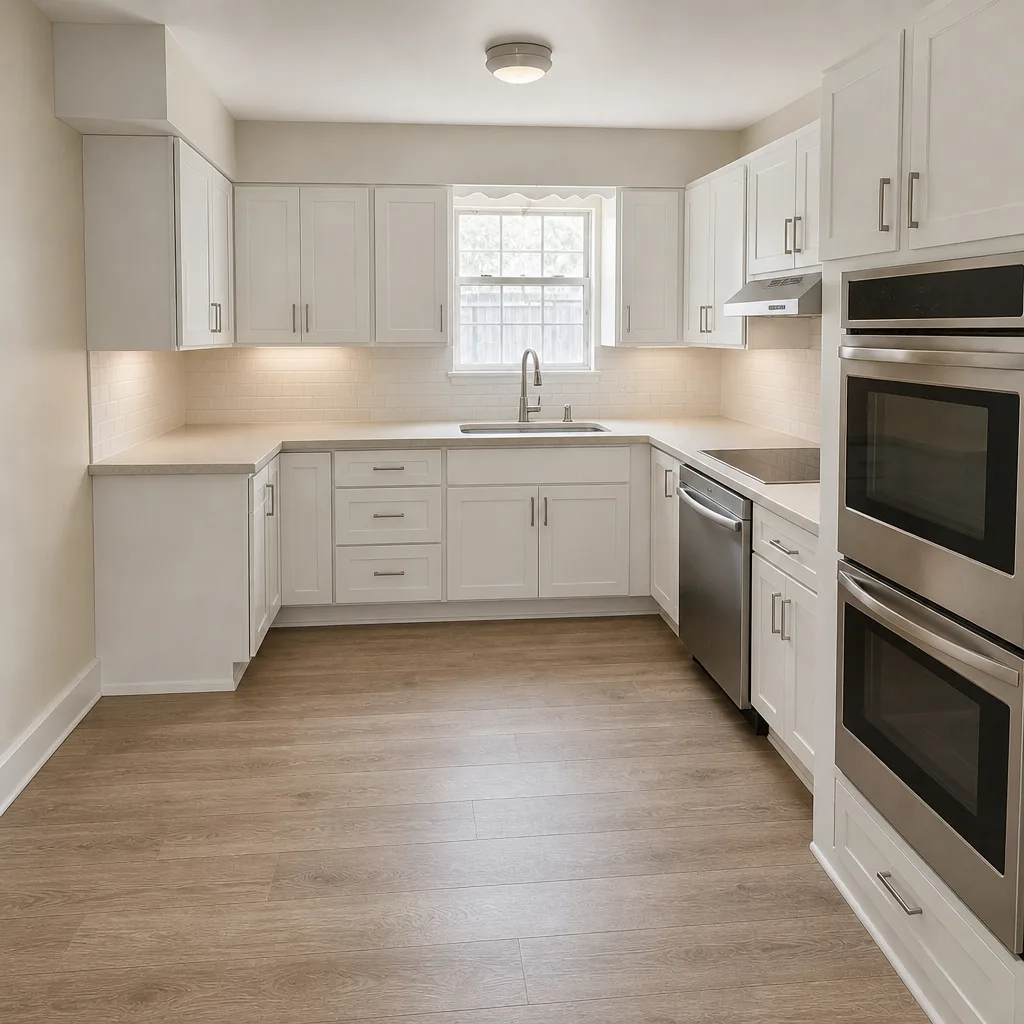 After
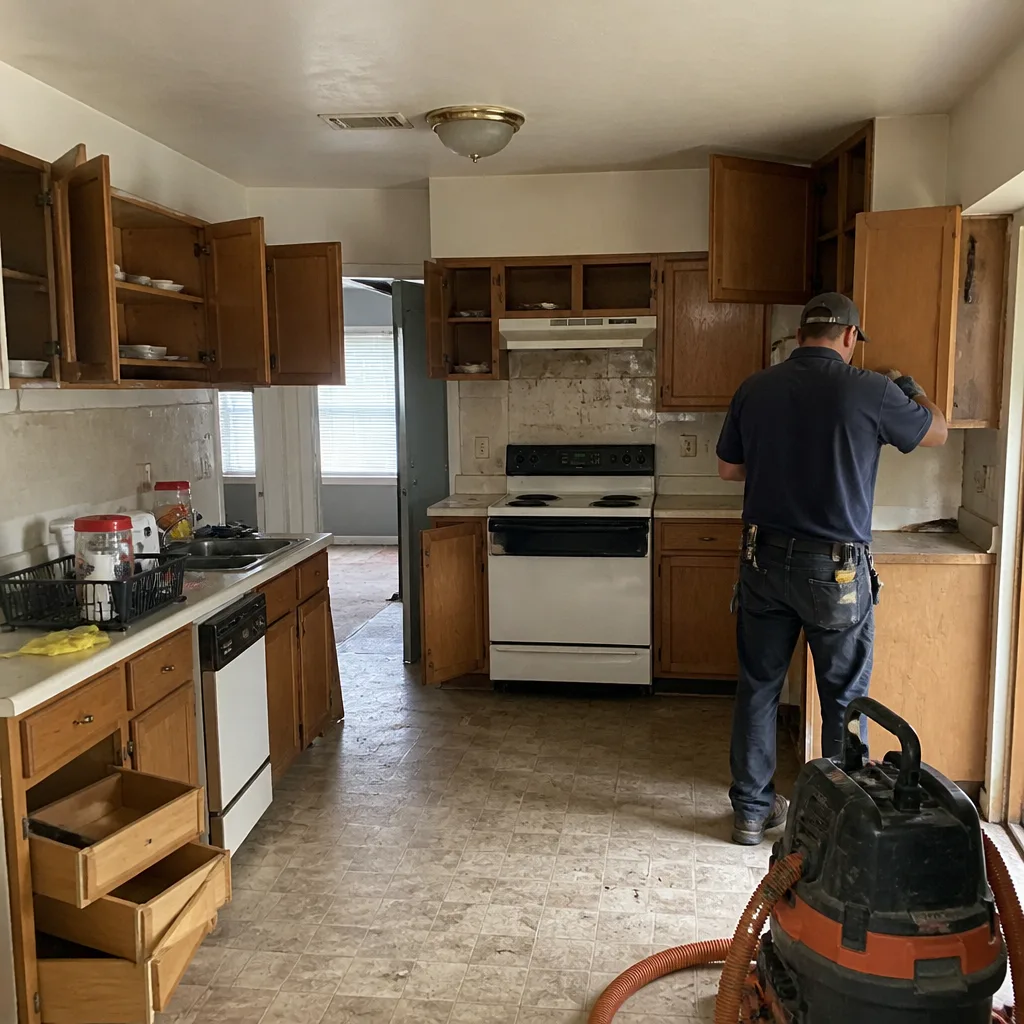 Before
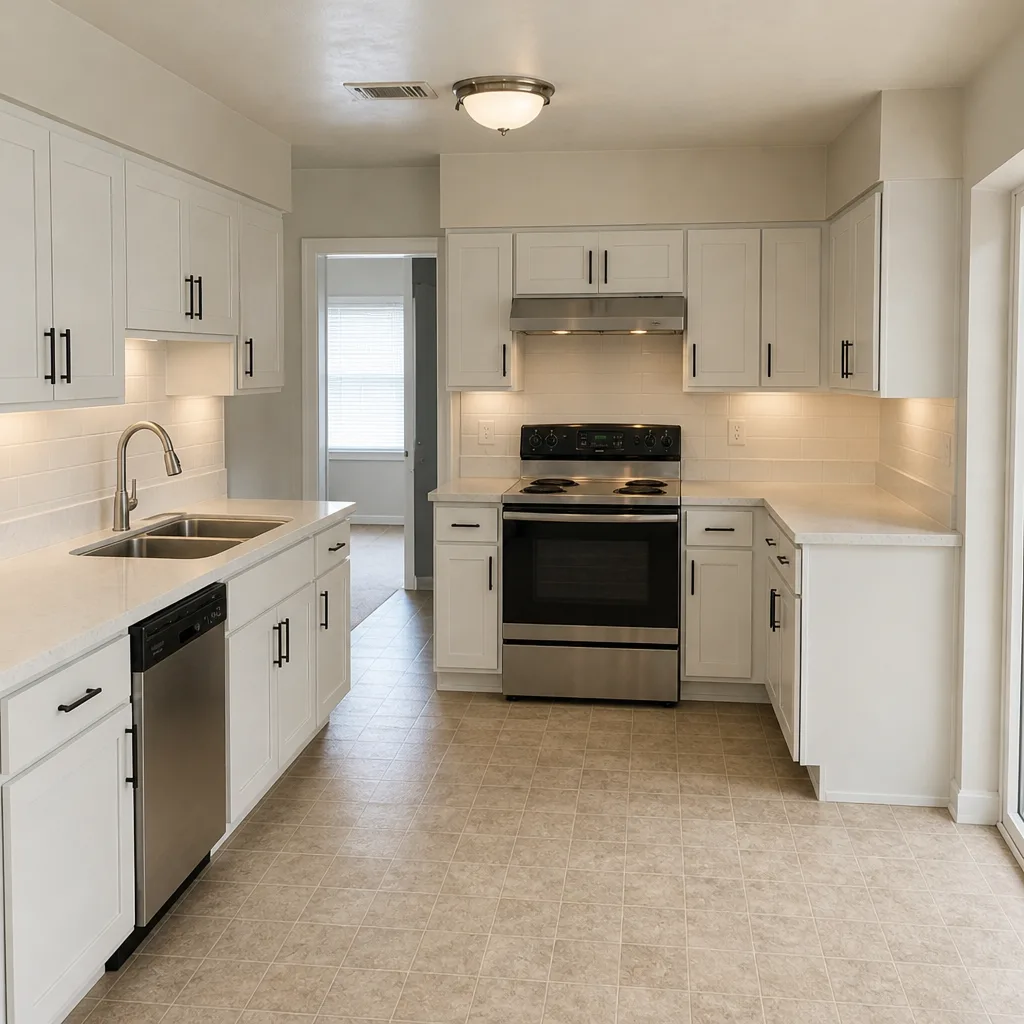 After
When to Call a Professional
Call a licensed professional this week if a door or window won’t latch, a wall is visibly bowing, a horizontal crack shows in the foundation or brick, a ceiling is soft or sagging, or water is actively coming in. Call within a month or two if a marked crack has grown, a floor slope is new, or you’re remodeling a room where you’ve seen the signs. If you’re not sure which group you’re in, that uncertainty is reason enough for a written read from someone who does this for a living. Penhallow Remodeling Garland offers free estimates in Garland. We’re licensed, insured, and bonded, and every estimate is a written line-item price before any work starts. Call (844) 560-4146 to schedule your free estimate, and a live person answers, day or night.
Frequently Asked Questions

Diagonal cracks at roughly 45 degrees from the corner of a door or window, stair-step cracks in brick mortar, and cracks wider than a nickel point to foundation movement. Hairline cracks in a drywall corner that don’t grow are usually cosmetic. In Garland’s clay soil, the pattern and whether it changes season over season matter more than any single crack. Call (844) 560-4146 for a free estimate if a crack is growing.
No. Concentric rings that reappear after rain point to a roof or flashing failure, but a single spreading stain with no rain correlation is more likely plumbing, and a fuzzy bloom near a window is usually condensation. The pattern tells you which of the three it is. A moisture reading from a qualified contractor settles it. Call (844) 560-4146 for a free estimate.
A written read and a small repair that addresses a finish or a water source is on the low end, while structural repair is a separate, larger scope that a structural contractor quotes. The price varies with depth of movement and how many rooms are affected. The cheaper decision is looking early. Call (844) 560-4146 for a free estimate with a written price before any work starts.
Not when the price was written down before the first tool came out. The number on day one should be the number on the invoice, and anything that changes must be a written change order you approve. That’s the Kingswell standard Penhallow operates under: say the price before the work, show up in the window we gave, leave the place cleaner than we found it. Call (844) 560-4146 for a free estimate.
Yes. Work that needs a permit gets one pulled and the inspection passed, and it’s part of the free written estimate you get up front. A remodel without a permit is one of the quiet warning signs a previous contractor cut corners, and it can surface when you sell. Call (844) 560-4146 for a free estimate.
A single bathroom typically runs several weeks, and a kitchen or whole-home remodel runs longer, depending on the scope, substrate condition, and the products selected. You get a written schedule with the written price before the work starts. For an accurate timeline, call (844) 560-4146 to schedule your free estimate.
The Bottom Line
The construction warning signs that matter in a Garland home are the slow ones: a diagonal crack that grows season to season, a door that sticks more each month, a stain that reappears after rain, a floor slope you can measure. Read the pattern, not the single crack. Document what you see so you can tell growth from a one-time event, and use the watch-and-document versus call-now framework to sort the two. The whole point of knowing these signs is to buy time to plan the fix instead of discovering it. When you’re ready, get a written price. It’s the first line of defense, and it’s free.
If you’ve seen any of these signs and want a straight read, Penhallow Remodeling Garland offers free estimates in Garland. We’re licensed, insured, and bonded, our technicians have up to 22 years of experience, and every job carries the 365-Day Done Right Promise, backed in writing. A live person answers the phone 24/7, so there’s no voicemail maze and no callback window. Call (844) 560-4146 to schedule your free estimate today.
Written by the team at Penhallow Remodeling Garland.